
 +86 15657752999

0102030405
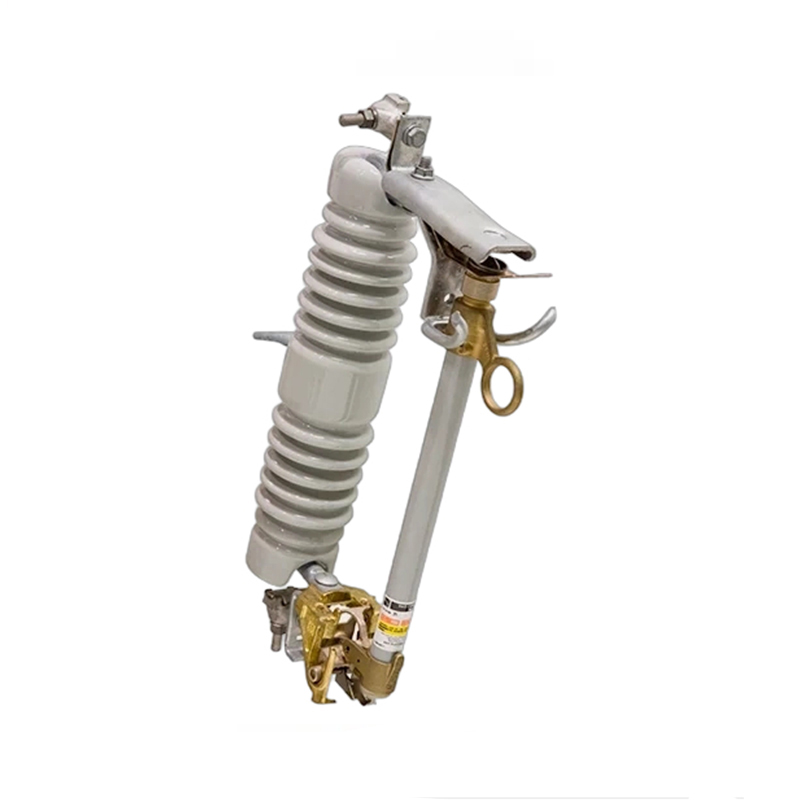
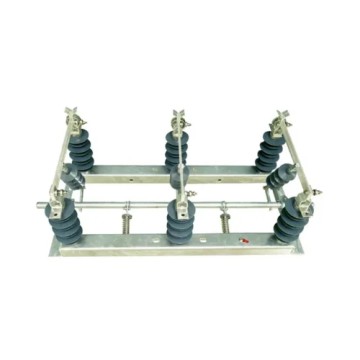
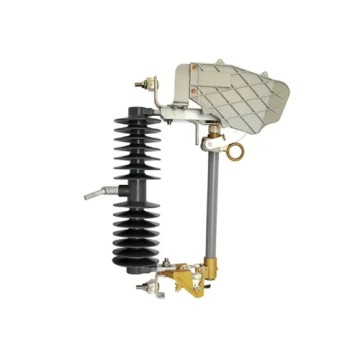
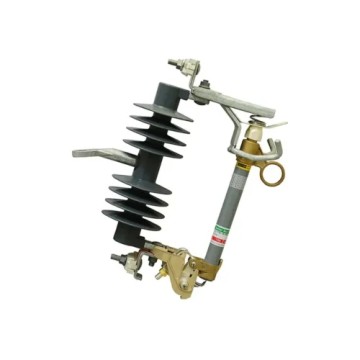
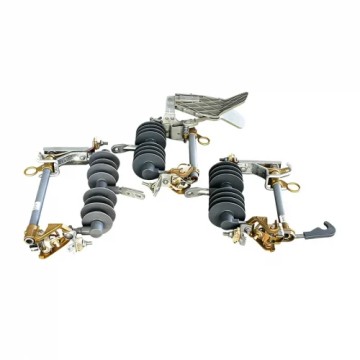
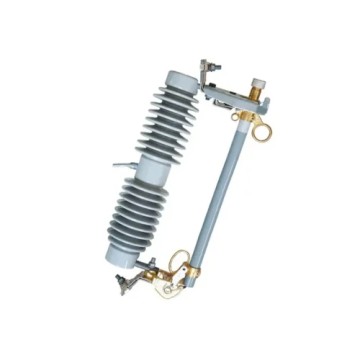
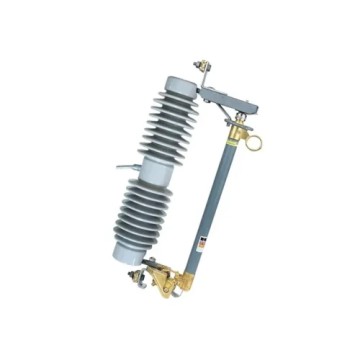
15kV Drop-Out Fuse Cutout for 10kV Distribution Lines - Reliable Protection from China Suppliers & Factory
Working Principle
The moving contacts at both ends of the fuse tube are fastened by the fuse (melting element). After pushing the upper moving contact into the protruding part of the "duckbill", the upper static contact made of phosphor copper sheet etc. presses against the upper moving contact, so that the fuse tube is firmly clamped in the "duckbill". When the short-circuit current passes through and fuses the fuse, an electric arc is generated. The steel paper tube lined inside the fuse tube produces a large amount of gas under the action of the electric arc. Since the upper end of the fuse tube is sealed, the gas is sprayed downward to extinguish the electric arc. Due to the fuse melting, the upper and lower moving contacts of the fuse tube lose the tension of the fuse. Under the action of the fuse tube's own gravity and the spring sheets of the upper and lower static contacts, the fuse tube falls rapidly, disconnecting the circuit and cutting off the faulty line section or faulty equipment.
Applicable Environment
The 10kV drop-out fuse is suitable for outdoor places where the ambient air is free of conductive dust, corrosive gases, flammable, explosive and other hazardous environments, and the annual temperature difference ratio is within ±40℃. Its selection is based on two parameters: rated voltage and rated current, that is, the rated voltage of the fuse must match the rated voltage of the protected equipment (line).
Installation Tips
- 1 During installation, the melting element should be tightened (so that the melting element is subjected to a tension of about 24.5N), otherwise it is easy to cause contact heating.
- 2 The fuse should be firmly installed on the crossarm (frame) without any shaking or wobbling.
- 3 The fuse tube should have a downward inclination angle of 25°±2° to facilitate the rapid fall of the fuse tube by its own weight when the melting element fuses.
- 4 The fuse should be installed on a crossarm (frame) with a vertical distance of not less than 4m from the ground. If installed above the distribution transformer, it should maintain a horizontal distance of more than 0.5m from the outermost contour boundary of the distribution transformer to prevent other accidents caused by the falling of the fuse tube.
- 5 The length of the fuse tube should be adjusted appropriately. It is required that after closing, the duckbill tongue can hold more than two-thirds of the contact length to avoid accidental self-falling during operation. The fuse tube should not push the duckbill to death to prevent the fuse tube from failing to fall in time after the melting element fuses.
- 6 The melting element used must be a standard product from regular manufacturers and have a certain mechanical strength. Generally, the melting element is required to withstand a tension of at least 147N.
- 7 The 10kV drop-out fuse is installed outdoors, requiring a phase-to-phase distance greater than 70cm.
Frequently Asked Questions
Q What is the working principle of a 10kV drop-out fuse?
The fuse tube is held in place by a melting element that connects the moving contacts. When a short-circuit current melts the fuse, an arc is generated, causing gas to expel downward and extinguish the arc. The fuse tube then falls under gravity, disconnecting the circuit and isolating the faulty section or equipment.
Q What environments are 10kV drop-out fuses suitable for?
They are designed for outdoor use in environments free from conductive dust, corrosive gases, and flammable or explosive hazards. The operating temperature range must remain within ±40℃ annually.
Q What is the correct inclination angle for installing the fuse tube?
The fuse tube must be installed at a downward inclination angle of 25°±2°. This angle ensures that when the melting element fuses, the fuse tube drops rapidly under its own weight to break the circuit reliably.
Q What minimum ground clearance is required for installation?
The fuse must be mounted on a crossarm or frame at a vertical distance of no less than 4 meters from the ground. When installed above a distribution transformer, a horizontal clearance of more than 0.5 meters from the transformer's outermost boundary must be maintained.
Q How should the melting element be tensioned during installation?
The melting element should be tightened to a tension of approximately 24.5N during installation. Insufficient tension can lead to poor contact and overheating. The element must also be a certified standard product capable of withstanding at least 147N of mechanical tension.
Q What is the required phase-to-phase distance for outdoor installation of the 10kV drop-out fuse?
For outdoor installations, the phase-to-phase distance must be greater than 70 cm. This spacing is essential to prevent electrical flashover between phases and to ensure safe and reliable operation of the fuse system.
Inquire Now!
If you have any needs, please feel free to contact me and I will be happy to serve you.