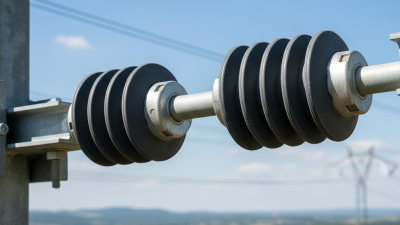
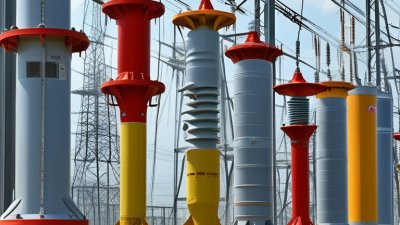
In today's fast-changing industrial world, choosing the right materials can make all the difference when it comes to a project's success. One cool innovation that's been getting a lot of attention lately is the Polymer Arrester. Honestly, this tech has some pretty awesome benefits — it can really boost the efficiency and safety of electrical systems. More and more leading companies are turning to polymer-based solutions because of their unique perks.
Polymer Arresters tend to outperform traditional options in a big way. They’re lightweight, tough, and can handle tough environmental conditions without breaking a sweat. What’s even better? They help cut down on maintenance costs, which many folks forget to consider during planning. Turns out, investing in these arresters can save companies a lot of money in the long run.
That said, not everyone’s sold on the idea yet. Some folks still feel a bit wary of switching from what they know — traditional materials. But as more real-world data rolls in, the confidence in Polymer Arresters keeps growing. Projects that have used these kinds of arresters report fewer failures and smoother operations overall. It’s pretty clear that embracing these new techs could really change the game in electrical engineering — and maybe open up new possibilities we haven’t even thought of yet.
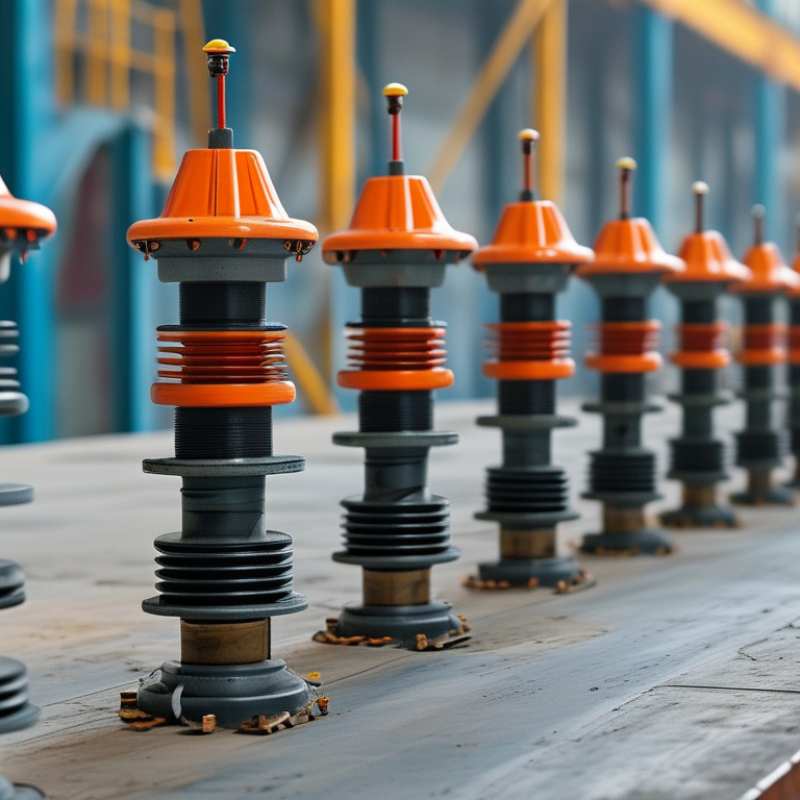
Benefits of Polymer Arresters in Electrical Systems: An Overview
Polymer arresters play a crucial role in electrical systems. They offer multiple advantages that can significantly enhance project outcomes. One major benefit is their lightweight nature, making installation easier and more efficient. Unlike traditional materials, polymer arresters can be handled without heavy machinery. This reduces labor costs and speeds up project timelines.
Another key advantage of polymer arresters is their superior resistance to pollutants. They can withstand harsh environmental conditions, including UV radiation and moisture. This durability leads to a longer service life, which can be beneficial for budget-conscious projects. However, it's essential to evaluate the specific conditions where these arresters will be used.
Some early adopters reported challenges with compatibility in specific systems. It serves as a reminder to conduct thorough testing before deployment. Overall, while polymer arresters can enhance system performance, careful consideration of each project’s specific requirements is necessary for optimal results.
Top Benefits of Using Polymer Arresters for Your Projects
| Benefit |
Description |
Impact on Electrical Systems |
| Lightweight Construction |
Polymer arresters are significantly lighter than traditional porcelain arresters, making installation easier. |
Reduces labor costs and installation time. |
| Corrosion Resistance |
These arresters are highly resistant to corrosion, increasing their lifespan. |
Enhances reliability and reduces maintenance costs. |
| High Performance |
Polymer arresters can handle high voltage levels effectively. |
Prevents equipment damage and outages. |
| Weather Resistance |
Designed to withstand extreme weather conditions. |
Improves performance consistency in various environments. |
| Cost Effective |
Lower initial cost and reduced maintenance leads to overall savings. |
Provides higher ROI for electrical projects. |
Enhanced Insulation Properties of Polymer Arresters Compared to Ceramic
Polymer Surge Arrester
have gained popularity in recent years due to their
superior insulation properties. Unlike traditional ceramic arresters,
polymer arresters offer lighter weight and increased flexibility. This makes installation easier in various environments.
Their ability to resist harsh weather conditions is noteworthy. They can withstand extreme temperatures without
significant performance loss.
The enhanced insulation properties of polymer surge arresters come from their unique design. This design minimizes the
risk of tracking and surface discharges. This feature is crucial in areas prone to humidity and pollution. However, while
they provide exceptional insulation, the material choice might influence
long-term durability. Some applications may still favor ceramics for
specific performance needs.
Additionally, the maintenance requirements for polymer surge arresters can be different. While they generally require
less upkeep, their reliability can be impacted by environmental factors. It’s vital to assess local conditions when choosing
between polymer and ceramic options. This careful consideration ensures the
best performance and longevity of the device in the long term.
Weight Reduction and Ease of Installation with Polymer Arresters
Polymer arresters have gained popularity in various industries due to their weight reduction and ease of installation. According to a recent industry report, projects utilizing polymer materials saw a weight reduction of up to 50% compared to traditional alternatives. This significant decrease in weight simplifies transportation and handling, resulting in reduced labor costs and increased efficiency on job sites.
Installation is another strong point for polymer arresters. The average installation time is 30% shorter than that of conventional options. This quick setup can lead to faster project timelines and the potential for completing more jobs. Professionals find that fewer tools are needed, making the process more accessible for teams with varying skill levels.
Tips: When considering polymer arresters, assess the environmental conditions of your project. They perform well in a range of settings but can be sensitive to extreme temperatures. Always verify that the installation aligns with engineering standards to ensure reliability. So, while the benefits are clear, make sure to evaluate the specific needs of your project before proceeding.
Durability and Weather Resistance of Polymer Arresters in Harsh Environments
Polymer arresters are gaining traction for their durability in harsh environments. Unlike traditional ceramic options, these arresters resist weather-related damage. According to industry reports, they can withstand extreme temperatures ranging from -40°C to 60°C. Their construction uses advanced materials that provide resistance against UV rays and humidity. This ensures a longer service life, even in challenging conditions.
In addition to temperature extremes, Polymer Lightning Arresters perform well in high pollution areas. Traditional materials may degrade over time in polluted environments. However, polymer options maintain their integrity and performance more effectively. The International Electrotechnical Commission has indicated that polymer materials can last at least twice as long as their ceramic counterparts. This reliability is critical for utility companies aiming to minimize maintenance and operational costs.
Despite these advantages, it's essential to analyze potential weaknesses. Some polymer materials may not offer the same mechanical strength as ceramics under specific stress conditions. Users should consider the full range of environmental factors when selecting a polymer lightning arrester. Ensuring compatibility with local conditions will enhance project outcomes. Balancing benefits and potential limitations leads to informed decision-making for long-lasting investments.
Cost-Effectiveness: Long-Term Savings with Polymer Arresters
Cost-effectiveness is a major draw for using polymer arresters in projects. These devices are known for their durability and longevity. Unlike traditional options, polymer arresters resist harsh environmental conditions. This resistance translates into less frequent replacements. Over time, this leads to significant cost savings.
Investing in polymer arresters minimizes maintenance expenses. Their lightweight design also reduces installation costs. Skilled labor can work faster, thanks to the ease of handling. This not only saves money but also time. When considering initial expenses, the long-term savings become clear.
While the benefits are compelling, it’s essential to evaluate different factors. What works for one project may not suit another. Understanding project specifics helps leverage
Polymer Fuse Cutouts effectively. A careful assessment can reveal both strengths and weaknesses. Focusing on the right solution involves a balance of cost and performance. In the end, the journey to find the ideal arrester requires reflection and adjustment.
Performance Data: Voltage and Current Ratings of Polymer Arresters
When selecting polymer arresters for your electrical projects, understanding their voltage and current ratings is critical. These ratings indicate the performance limits of arresters, ensuring they can withstand surges without failure. Polymer arresters typically show impressive voltage capabilities, often exceeding standard expectations. This translates into reliable protection for systems exposed to high voltage fluctuations.
Current ratings are equally vital, as they determine how much current an arrester can handle safely. A well-rated polymer arrester can significantly reduce the risk of equipment damage. Users often report enhanced reliability in their systems when employing a Fuse Cut Out Polymer design. This modern technology offers impressive durability and efficiency.
However, it is essential to be aware that not every installation will yield perfect results. Monitoring performance data post-installation can reveal potential shortcomings in specific conditions. Users may find that certain environments challenge the reliability of polymer arresters. Addressing these issues early can improve overall project outcomes and reduce risks associated with electrical surges.
Environmental Impact: Sustainability of Polymer Materials in Arresters
Polymer materials are making waves in construction and utility industries, especially in the realm of arresters. Their environmental impact is crucial to understand. Sustainable polymer options reduce waste and energy consumption during production. These materials are often lighter and easier to install, which cuts down on transport emissions. Engineers are constantly seeking greener alternatives.
When considering polymer arresters, think about lifecycle assessments. They reveal how materials hold up under stress over time. Longevity can mean fewer replacements, which benefits the environment. A deeper look often uncovers that, despite being less traditional, these materials can outperform their heavier counterparts. They adapt well to diverse weather conditions, reducing maintenance needs.
Tips: Always verify the credentials of your suppliers. This ensures you are sourcing sustainable materials. Additionally, monitor advancements in polymer technology. Innovations can offer new solutions that are even more eco-friendly. Finally, consult with industry professionals to evaluate the best options for your specific projects.
Comprehensive Guide to 10 kV Zinc Oxide Surge Arresters: Ensuring Reliable Overvoltage Protection from Trusted Chinese Suppliers
In modern electrical infrastructures, overvoltage protection is paramount to ensure the safety and longevity of equipment. Zinc oxide surge arresters, particularly those designed for 10 kV applications, play an essential role in safeguarding critical components such as transformers, generators, and power cables from damaging overvoltages caused by lightning strikes or switching events. According to industry reports, the global lightning arrester market is projected to grow significantly, driven by increased investments in renewable energy and electrification of transportation systems, indicating a rising demand for effective overvoltage protection solutions.
Surge arresters function by diverting excess voltage away from sensitive equipment, thereby preventing potential disruptions in power systems and communication networks. Their ability to react quickly to transient overvoltage conditions makes them indispensable in railway electrification systems where reliable operation is crucial. As an imperative part of insulation coordination strategies, these devices ensure that electrical systems can withstand the unpredictable nature of atmospheric operations while minimizing downtime and maintenance costs.
Our offerings in high-quality lightning arrester technology adhere to rigorous safety standards and are designed to meet the evolving needs of modern infrastructure. With robust performance under various operational conditions, our surge arresters represent a trustworthy investment in electrical reliability, supporting not only operational efficiency but also the protection of investments in complex electric systems. By choosing advanced solutions from trustworthy sources, users can ensure that their electrical systems remain protected against unforeseen surges, ultimately enhancing the resilience of their infrastructure.
FAQS
: Polymer arresters are lightweight, durable, and easier to install. They can speed up project timelines significantly.
Polymer arresters can reduce weight by up to 50%. This aids in transportation and handling on job sites.
The installation time is about 30% shorter than for conventional options, increasing efficiency.
Yes, they resist pollutants, UV radiation, and moisture, enhancing their service life in harsh conditions.
Evaluate the environmental conditions and ensure the installation meets engineering standards for reliability.
Yes, these ratings are critical for ensuring they can handle electrical surges without failure.
Some users reported compatibility issues in specific systems. Test thoroughly before deployment to avoid problems.
Monitor performance data after installation to address potential shortcomings and reduce risks.
No, fewer tools are needed, making installation easier for teams with varying skill levels.
Yes, extreme temperatures can impact performance. Assess specific project requirements closely.
Conclusion
Polymer Arresters are increasingly becoming the preferred choice in electrical systems due to their numerous advantages over traditional ceramic options. One of the key benefits is their enhanced insulation properties, which offer superior performance in various conditions. Additionally, the lightweight design of Polymer Arresters simplifies installation processes, making them a practical choice for many projects.
Their durability and weather resistance allow them to operate effectively even in harsh environments, reducing maintenance needs. Cost-effectiveness is another significant advantage, as Polymer Arresters can lead to long-term savings in operational costs. Furthermore, they are designed with sustainability in mind, minimizing environmental impact. With impressive performance data showcasing their voltage and current ratings, Polymer Arresters present a compelling option for modern electrical applications.
 +86 15657752999

 Contact Email