inquiry
Leave Your Message
0%

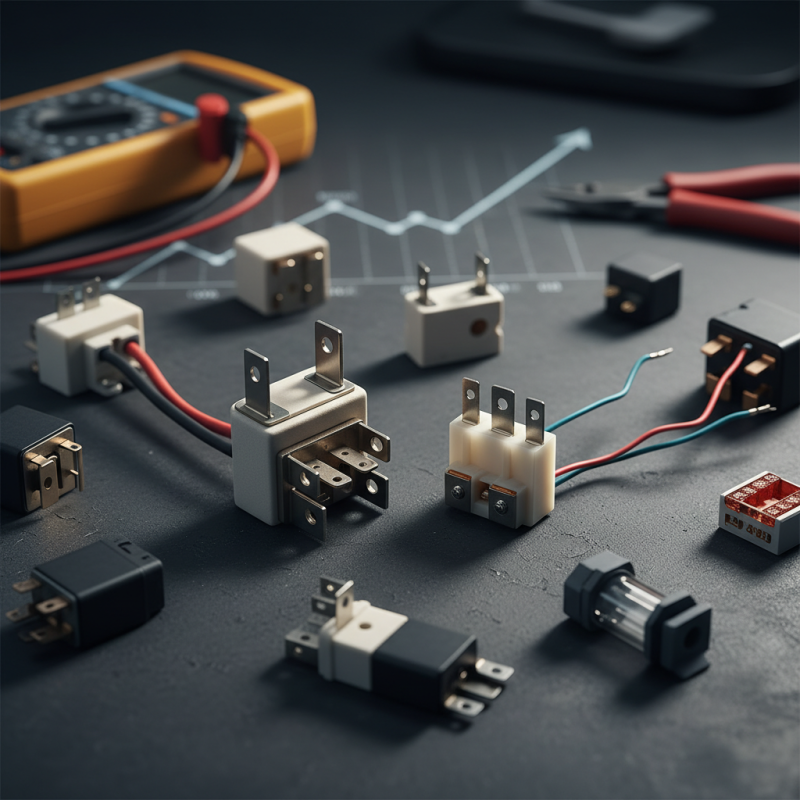
When you're dealing with electrical setups, picking the right fuse holder can really make a difference—not just in safety but also in how smoothly things run. I came across a recent report from MarketsandMarkets that says the global market for fuse holders is heading towards around $1.2 billion by 2026. That’s pretty eye-opening and highlights just how important it is to go for reliable, cost-effective options. But honestly, even if you're trying to save some bucks, don’t overlook the quality. Cheap fuse holders might seem tempting at first, but they could cause a lot of trouble down the line.

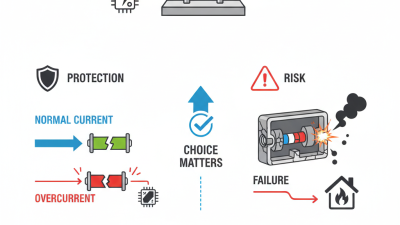
There’s this study from Frost & Sullivan that warns about the risks of using low-quality fuse holders—things like equipment damage or electrical hazards become more likely, which nobody wants. I totally get it, though; it’s a tricky balance between keeping costs down and staying safe. In the long run, investing in a good-quality fuse holder can actually save you money because it’ll last longer and work better.

Also, before making a decision, it’s worth thinking about what exactly your application needs. Different environments and voltage levels require specific kinds of fuse holders. Focusing only on price can sometimes lead to regrets later on—like that CED report mentioned, where about 30% of electrical failures are caused by poor-quality components. So, yeah, taking the time to choose the right fuse holder really pays off in the end—your system’s overall health depends on it.
2026 How to Choose a High Quality Cheap Fuse Holder for Your Needs?

Understanding the Function of Fuse Holders in Electrical Systems

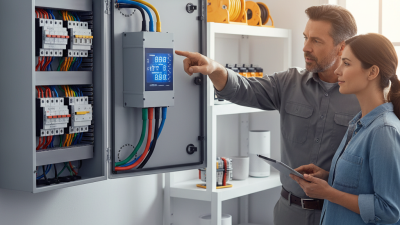
Fuse holders play a crucial role in electrical systems. They securely hold fuses, protecting circuits from overloads. When a fuse blows due to excessive current, the holder ensures a safe disconnection. This minimizes the risk of damage to appliances and electrical fires.

Tips:
When selecting a fuse holder, consider its material. Durable materials can withstand heat and corrosion. Additionally, the size must match the fuse type you intend to use. Sometimes, people overlook compatibility. It can lead to issues down the road.

A good fuse holder aids installation. Look for holders with clear labeling for easy identification. This reduces errors during setup. Mistakes can happen even to experienced technicians. Choose holders with good reviews and practical features. Quality can vary widely, making research essential.

Types of Fuse Holders: Exploring Common Varieties and Their Uses

2026 How to Choose a High Quality Cheap Fuse Holder for Your Needs?

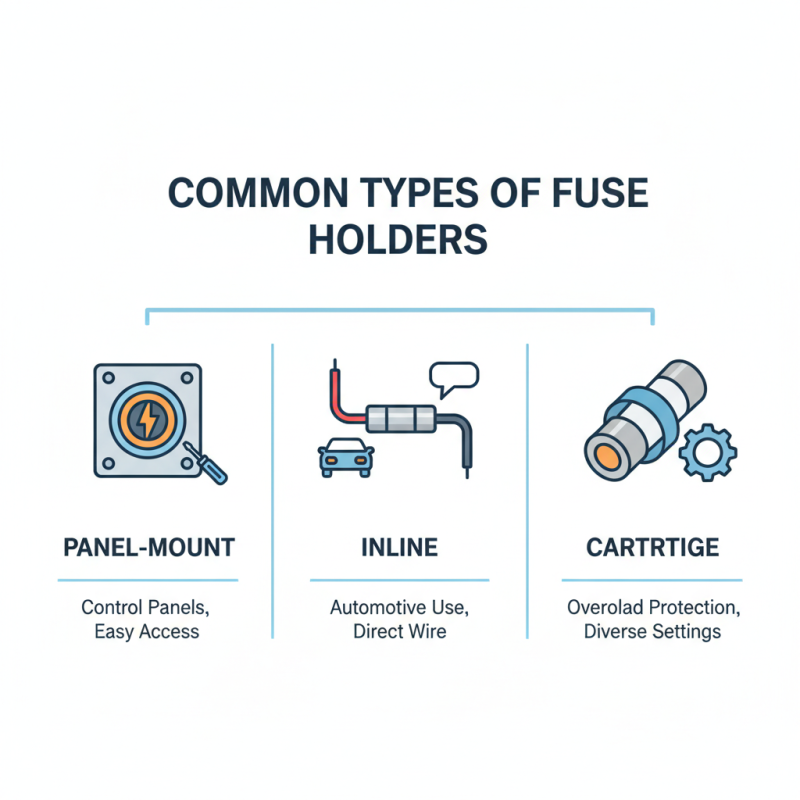
When exploring types of fuse holders, one can categorize them into several common varieties. The most prevalent types include panel-mount fuse holders, inline fuse holders, and cartridge fuse holders. Each serves different applications in electrical systems. For instance, panel-mount fuse holders are often found in control panels, ensuring easy access for replacements. Inline fuse holders connect wires directly, making them suitable for automotive uses. Cartridge fuse holders protect against overload in diverse settings.

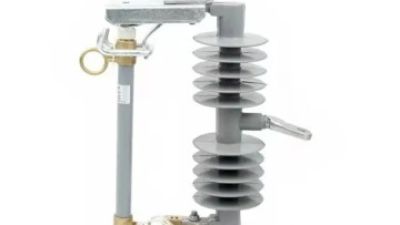
Understanding the specific use case is essential. Different fuses necessitate unique holders. The National Electrical Manufacturers Association states that choosing the wrong type can lead to system failures. For instance, using a standard fuse holder instead of a Cut Out Fuse Holder can increase the risk of overheating and failure.

**Tips:** Consider the fuse rating and the holder's compatibility. Ensure the materials can withstand the intended electrical load. Look for holders with reliable contact points for better conductivity. Finally, remember that not all connectors are equal; cheap options may save money but often compromise safety and reliability. Balancing cost and quality is crucial when selecting a fuse holder.

Key Factors to Consider When Selecting a Fuse Holder

When selecting a fuse holder, several key factors play a crucial role. The materials used in the construction are vital for durability. Look for holders made from high-quality plastic or metal. These materials can withstand heat and prevent degradation over time. A sturdy design prevents accidental shorts and improves safety. Avoid flimsy options, as they may fail under stress.

Another consideration is compatibility. Ensure the fuse holder matches the specifications of your fuse and is rated for the necessary amperage. A mismatch can lead to dangerous situations. Check if the holder is suitable for high voltage applications if needed. This is important for devices operating at higher power levels.

The mounting style also matters. Some holders are panel-mounted, while others are inline. Your choice should align with your application needs. Keep in mind that installation might be tricky. Beginners may find it challenging to secure the fuse holder properly. Seeking assistance or researching installation techniques could prove beneficial. Remember, selecting the right High Voltage Fuse Holder requires careful thought and evaluation.

Evaluating the Quality of Materials Used in Fuse Holders

2026 How to Choose a High Quality Cheap Fuse Holder for Your Needs?

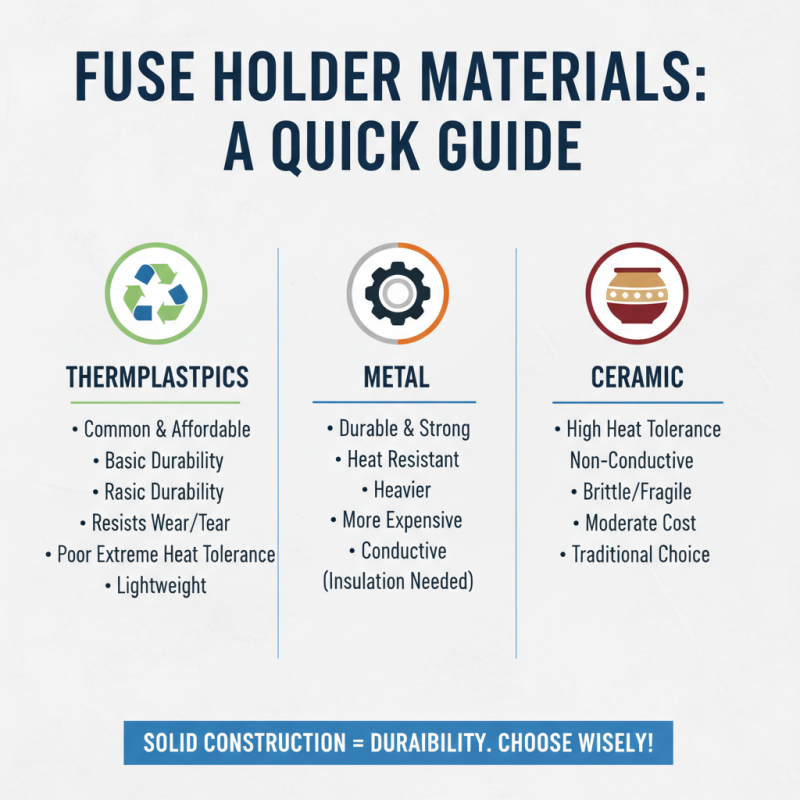
When selecting a high-quality cheap fuse holder, the materials used play a crucial role. A solid construction often indicates durability. Common materials include thermoplastics, metal, and ceramic. Each has strengths and weaknesses. For instance, thermoplastics can withstand basic wear and tear but may struggle under extreme conditions. Metal holders are durable, yet they can be heavier and more expensive.

Consider the intended application for the Medium Voltage Fuse Holder. If it operates in a high-temperature environment, ensure the material can handle it. Look for holders with good insulation properties to prevent short circuits. If you notice any signs of rust or wear, it may indicate poor-quality materials or low manufacturing standards.

Tips: Always inspect the fuse holder before purchase. A quick visual check can reveal flaws. Ensure that the design allows easy installation and replacement. Look for user reviews on material quality. This can help gauge real-world performance. A good fuse holder is an investment in safety. Always prioritize quality materials over cost savings. Think wisely before making your choice.

Cost-Effective Options: Finding Cheap yet Reliable Fuse Holders

When selecting a cheap yet reliable fuse holder, consider its material and build quality. Many low-cost options use inferior plastics, which can lead to premature failures. According to industry reports, nearly 15% of electrical failures are linked to poor fuse holders. These issues can cause serious risks in both residential and commercial settings.

Look for fuse holders that meet safety standards. For instance, UL certification can provide some assurance of quality. Many affordable fuse holders still pass these tests. Be cautious, though. A significantly lower price can indicate compromises in safety or performance.

Moreover, evaluate the ease of installation and maintenance. Some budget options are difficult to work with and might need frequent replacements. Data suggests users often overlook this aspect, leading to increased long-term costs. Always test the holder before finalizing your choice. Not all cheap options deliver value. Take the time to research, and you’ll find a balance of affordability and reliability.

2026 High Quality Cheap Fuse Holders - Cost-Effective Options

This chart evaluates high-quality yet affordable fuse holders based on various criteria including material quality, price, durability, ease of use, and compatibility. The ratings provide insights for users looking to make cost-effective choices without compromising on reliability.

Installation Tips for Maximizing the Performance of Fuse Holders

When selecting a fuse holder, installation plays a vital role in performance. Improper installation can lead to overheating and reduced lifespan, which is a common issue noted in industry reports. According to a study, nearly 30% of fuse failures are due to poor connections. This highlights the importance of careful installation.

One tip is to ensure that all connections are clean and free from corrosion. Use a wire brush or cleaning solution to remove any dirt. Additionally, securing the fuse holder tightly can prevent vibrations that might loosen connections over time. It’s crucial to use the appropriate gauge wire for the amperage rating of the fuse holder. A mismatch can create resistance and heat buildup, resulting in potential failure.

Consider the orientation of your fuse holder. Keeping it in a well-ventilated area aids in heat dissipation. However, not all installations allow for optimal space. Sometimes, users must make do with tight spaces, increasing the risk of heat issues. Monitor your setups regularly. Look for any signs of wear or damage. Regular checks can prevent unexpected failures and prolong the functionality of your system.

2026 How to Choose a High Quality Cheap Fuse Holder for Your Needs? - Installation Tips for Maximizing the Performance of Fuse Holders

Feature Description Price Range Max Current Rating Material
Easy Installation Quick connect terminals for hassle-free setup. $5 - $15 20A Plastic / Metal
High Durability Resistant to heat and impact for long-lasting performance. $10 - $20 30A Polyamide
Waterproof Design Sealed to prevent moisture and damage. $12 - $25 15A Silicone / Rubber
Compact Size Space-saving design suitable for tight areas. $4 - $10 10A Copper / Plastic
Versatile Compatibility Compatible with various fuse sizes. $6 - $18 25A ABS Plastic

Safety Standards and Certifications to Look for in Fuse Holders

When selecting a fuse holder, safety standards are essential. Look for holders that meet recognized certifications. UL, CE, and RoHS are key. These ensure the product is tested for safety and reliability. A fuse holder that complies with these standards can prevent electrical hazards.

Consider materials used in the fuse holder. High-quality materials, like thermoplastics, resist heat and voltage. Cheaper holders might use subpar materials, which can fail. This is risky. The design should allow for easy access and firm connections. A loose connection can lead to problems.

Tips: Always check the specifications before purchasing. Does it support Hrc Fuse types? If unsure, ask for help. Don’t ignore reviews from other users. They can provide insights into the holder’s performance and safety.

Overall, it’s about balancing cost with quality. Choose wisely to ensure maximum safety in your applications. A good fuse holder protects your devices and your home.

Enhancing Power Distribution Safety: Insights from 2023 Industry Reports on Silicone Rubber Drop-Out Fuses - 27KV

In the context of enhancing power distribution safety, recent industry reports have highlighted the critical role of silicone rubber drop-out fuses rated at 27KV. These fuses serve as essential protections in transformer applications, specifically designed to mitigate risks associated with overcurrent and short-circuit faults. The choice of silicone rubber as a material not only ensures durability and resilience under extreme conditions but also contributes to the overall reliability of the power distribution system.

Transformer protection is paramount in any electrical infrastructure, as it directly affects the performance and longevity of these essential components. By implementing specialized fuses, power distribution systems can effectively isolate fault conditions, thus preventing extensive damage and ensuring the continuous operation of transformer equipment. These fuses are engineered to offer enhanced safety features, providing a robust solution that can withstand varying environmental factors while safeguarding against electrical failures.

The insights drawn from the 2023 industry reports emphasize the ongoing evolution of safety technologies in power distribution. As the demand for reliable power solutions increases, adopting advanced protective measures like silicone rubber drop-out fuses becomes indispensable in maintaining the integrity and safety of electrical systems. Ultimately, these innovations play a vital role in supporting efficient power distribution networks and fostering a safer electrical environment.

FAQS

: What is the purpose of the service?

: The service helps users manage their daily tasks and improve productivity. It aims to simplify planning.

How does the service work?

Users input tasks and deadlines. The service organizes these tasks into a manageable schedule. Notifications remind users.

Can I customize my task lists?

Yes, users can create custom categories and prioritize tasks. This makes it easier to focus on what's important.

Is there an offline mode available?

Currently, the service requires an internet connection to access features. Offline capability is something we are evaluating.

What if I forget to complete a task?

The service allows rescheduling tasks. Users can reflect on reasons for delays and adjust priorities for next time.

Are there collaborative features?

Yes, users can share tasks with others. Collaboration helps teams stay aligned but may lead to misunderstandings.

How secure is my data?

Data security is a priority. However, no system is perfect. Users should remain vigilant about sharing sensitive information.

What if I encounter technical issues?

Technical support is available for users experiencing difficulties. However, response times may vary based on demand.

Is there a mobile app version?

A mobile version is in development. This aims to give users more flexibility, but features may differ from desktop.

Can I integrate it with other tools?

Integration options exist, but users should evaluate compatibility. Some features might not work as expected with all tools.

Conclusion

When choosing a high-quality cheap fuse holder, it's essential to understand its crucial role in electrical systems. A fuse holder serves as a protective component, ensuring the safety and efficiency of electrical circuits by holding and securing fuses in place. There are various types of fuse holders available, each designed for different applications and environments. Key factors to consider include the materials used, as high-quality materials can significantly impact performance and reliability.

To find cost-effective options that do not compromise on quality, it's important to evaluate the durability and safety features of the fuse holders. Ensure they meet relevant safety standards and certifications to guarantee their reliability. Additionally, installation tips can help maximize the performance of your chosen fuse holder, ensuring that your electrical systems operate smoothly and safely. By focusing on these aspects, you can make an informed decision that meets your needs without overspending.
Elena

Elena

Elena is a dedicated marketing professional with a strong expertise in the power transmission and distribution sector. With a deep understanding of her company's innovative products and services, she plays a pivotal role in shaping its online presence through her meticulously authored blog posts.......
Previous Why Choose Cheap China Cut Out Breaker for Your Electrical Needs?