inquiry
Leave Your Message
0%

Picking out the right Electrical Surge Arrester for your home can honestly feel pretty overwhelming. I mean, with so many options out there, it’s easy to get confused. Like John Smith from SurgeGuard Corp. once said, “The right surge arrester is key to protecting your valuable electronics.” That really hits home, right? It’s all about making smart, informed choices.

Electrical surge arresters are actually super important when it comes to keeping your home safe. They help prevent your gadgets and appliances from getting zapped during lightning storms or when the power dips unexpectedly. If you skip on proper protection, your stuff could be at serious risk — and nobody wants to deal with costly repairs or replacements. A good surge arrester can really save the day.

Now, it's not just about picking any device. You’ve gotta consider what your home actually needs. Not all surge arresters are made equal — some have different specs, and honestly, that can get pretty confusing. When you’re shopping around, keep an eye on things like the joule rating and how quickly the device responds. Every little detail counts when it comes to keeping your home electrically safe and sound.
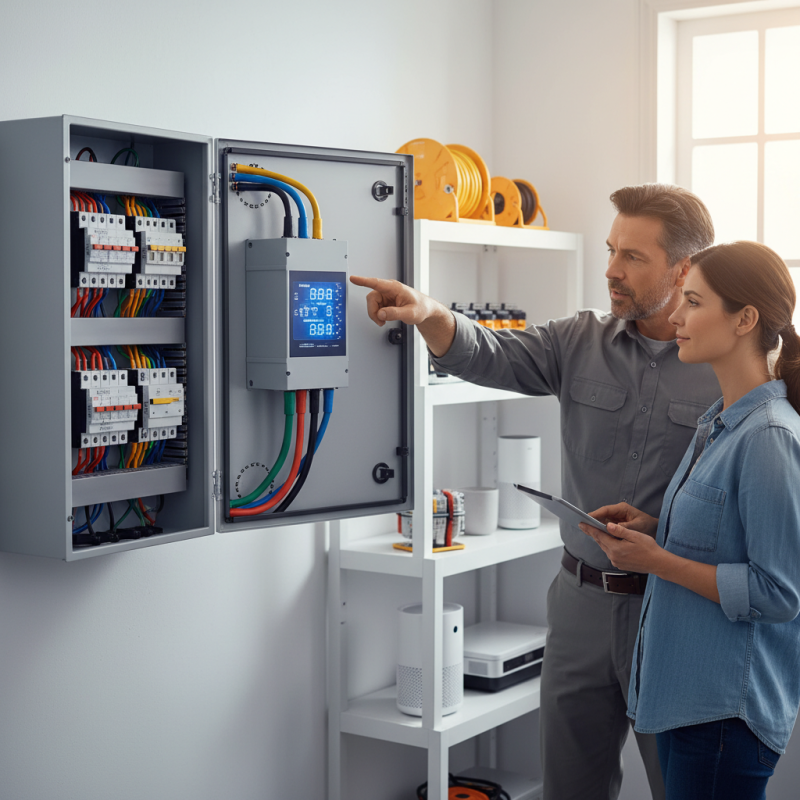
How to Choose the Right Electrical Surge Arrester for Your Home?

Understanding Electrical Surge Arresters and Their Importance

Electrical surge arresters play a crucial role in protecting your home from voltage spikes. These voltage spikes can arise from lightning strikes, power outages, or other electrical issues. A study by the Electromagnetic Compatibility (EMC) Society indicates that over 60% of power quality issues in residential areas relate to transient voltages. It’s alarming how often homes experience these surges yet remain unprotected.

Understanding how surge arresters work can help homeowners make informed decisions. These devices redirect excess voltage into the ground. The National Institute of Standards and Technology emphasizes the need for surge protection. Without it, homes are vulnerable to damage. Many Electrical Fuses in homes may not provide adequate protection against these transient spikes. For example, a single electrical surge can damage appliances, resulting in repair costs that can soar into the thousands.

However, choosing an effective surge arrester isn't straightforward. Many options exist, but not all offer the required protection. Homeowners must evaluate their needs based on the total electrical load and the types of devices used. Yet, it’s common to overlook this detail, leading to inadequate protection. Investing time in understanding surge arresters is as critical as the devices themselves. Ignoring this aspect could lead to significant financial losses and equipment failures.

Types of Electrical Surge Arresters for Residential Use

When it comes to protecting your home from electrical surges, understanding the types of surge arresters is vital. There are mainly two types for residential use: Type 1 and Type 2. Type 1 arresters are installed at the service entrance, safeguarding the entire electrical system. They are designed to handle external surges from lightning or utility issues.

Type 2 arresters, on the other hand, are installed at sub-panels and offer additional protection for sensitive electronics. These devices focus on internal surges that might occur due to switching operations in your home. Choose a combination of both types for optimal protection.

Tips: Always look for products with a high energy absorption rating. This ensures they can absorb more energy from surges. Check the voltage rating, too. It should match your home’s electrical system to avoid mismatches. Consider the warranty. A longer warranty often reflects the manufacturer’s confidence in the product’s reliability.

Do some research. There are many products out there. Not all offer the same level of protection. Mistakes can be made in purchasing the wrong type. Pay attention to installation guidelines. Incorrect setup might render the arrester ineffective. A little extra effort can save you from future headaches.

Key Features to Consider When Selecting a Surge Arrester

When selecting an electrical surge arrester for your home, several key features deserve your attention. Start by considering the voltage rating. This rating determines the maximum voltage the arrester can handle before failing. A surge arrester with a high voltage rating is essential. If it fails, it could expose your home to electrical damage. Look for a device compatible with your home’s electrical system.

Next, think about the clamping voltage. This shows at what voltage the surge arrester begins to take action. A lower clamping voltage implies better protection. Therefore, you want one that activates quickly to prevent damage. The response time is crucial as well. Delays in protection can lead to significant issues, such as damaged appliances.

Don’t overlook the energy absorption capability. This feature indicates how much energy the arrester can absorb without failing. It's vital for handling large surges. Also, ensure it conforms to industry standards. Many people forget about this detail but it’s necessary for safety. Finally, consider the installation requirements. If it’s complicated, you might need professional help. Taking the time to research these aspects can save you from future hassles related to electrical issues, like those caused by a faulty Electrical Fuse Cutout.

Evaluating the Voltage Rating of Surge Arresters

How to Choose the Right Electrical Surge Arrester for Your Home?

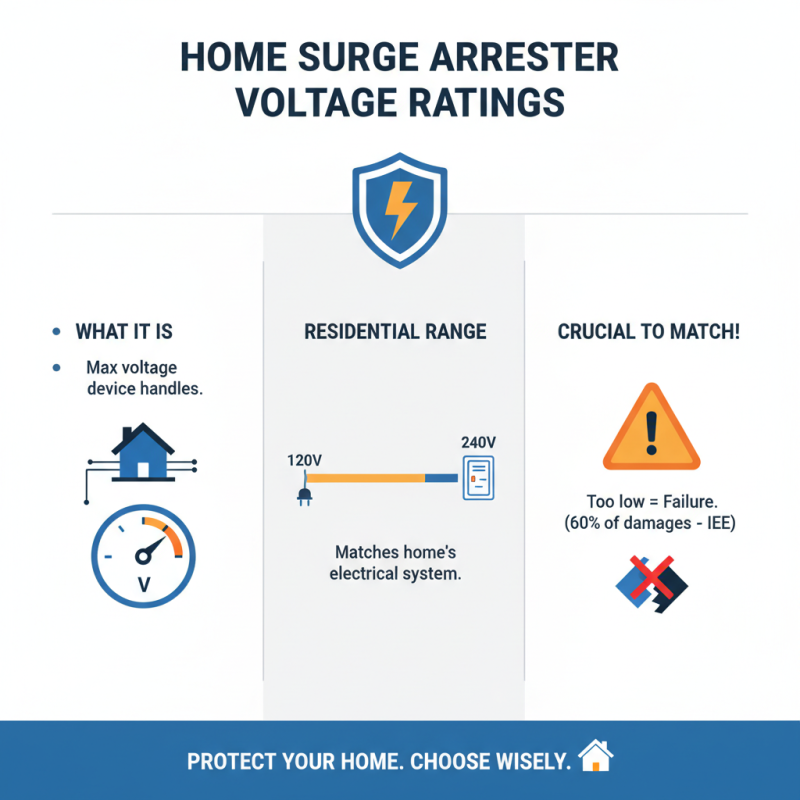
When selecting a surge arrester for your home, understanding voltage ratings is crucial. Voltage rating signifies the maximum voltage the device can handle. Typically, residential surge arresters range from 120V to 240V. It’s essential to choose one that matches or exceeds your home’s electrical system voltage. A mismatch can lead to failure. According to a report by the IEEE, around 60% of surge-related damages occur because the arrester's rating was too low.

Also, consider how many appliances require protection. Homes with significant electronic devices should opt for higher-rated arresters. For example, whole-house surge protection devices often come with voltage ratings in the 300V range. However, some homeowners mistakenly believe that a higher rating always equals better protection. This is misleading.

Moreover, improper installation can also lead to inefficiencies. The National Electrical Manufacturers Association states that about 30% of surge arresters fail due to incorrect setup. Regular checks and maintenance can prevent such issues. Always reflect on whether your system can handle interruptions and voltage spikes effectively. Adjust as necessary, as outdated systems might not cope.

Determining the Installation Location for Maximum Protection

When selecting a Surge Arrester for your home, installation location is crucial for optimal protection. Data from the National Electrical Manufacturers Association indicates that about 80% of electrical surge damage occurs at the service entrance point. Placing your Surge Arrester near this entry can help minimize the risk. Ideally, it should be mounted close to the main electrical panel. This positioning ensures that any voltage spikes are intercepted before they can enter your home’s wiring.

Consider the layout of your property. If you have detached structures, installing additional Surge Arresters can offer extra security. According to a report by the IEEE, homes with multiple protective devices have 40% fewer incidents of equipment failure due to surges. However, it’s often overlooked. Many homeowners ignore it, believing one unit suffices. This assumption can lead to increased vulnerability.

Additionally, regular inspection of your Surge Arrester is essential. Some units degrade over time or after significant voltage spikes. The International Electrotechnical Commission recommends checking your installation annually. Visual signs of wear or deterioration should not be ignored. Each installation should be tailored based on unique circumstances and power surge risks.

Comparing Cost and Performance of Different Surge Arresters

How to Choose the Right Electrical Surge Arrester for Your Home?

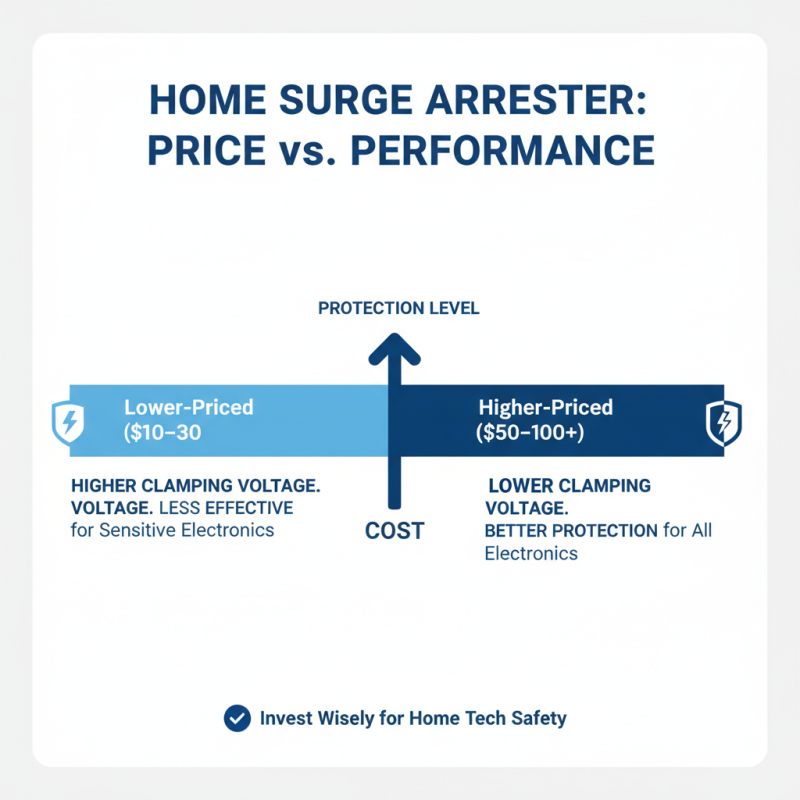
When selecting an electrical surge arrester for your home, cost and performance are critical factors. A recent industry report highlighted that surge arresters vary widely in price, from $10 to over $100. However, this price difference often reflects performance variations. In lower-priced models, the clamping voltage is typically higher. This means they may not be as effective in protecting sensitive electronics.

Performance metrics are crucial. Look for the surge current rating, measured in kiloamperes (kA). A 20 kA rating is common for residential protectors. Yet, some options only offer 10 kA and may not provide adequate protection during severe storms. The response time is also essential. Devices that respond within nanoseconds are preferable. Delayed responses can leave your equipment vulnerable.

Installation also influences overall effectiveness. Improperly installed surge arresters can lead to failures. Data suggests that up to 30% of the malfunctioning devices experienced issues due to installation mistakes. Understanding these metrics helps homeowners navigate the complex landscape of surge protection effectively. Carefully weigh your options and always consult with an expert if uncertain.

Maintenance Tips for Ensuring Surge Arrester Effectiveness

Maintaining the effectiveness of your surge arrester is crucial. A surge arrester, like the Surge Arrester 12kv, protects your electrical system. Regular inspections are key. Check for physical damage or signs of wear. Look for burnt or cracked components. These can indicate failure points. If you see anything unusual, it might be time for a replacement.

Cleaning is another important step. Dust and dirt can accumulate over time. This buildup can hinder performance. Use a dry cloth to wipe down the arrester. Avoid harsh chemicals that might cause damage. Regular cleaning helps maintain its efficiency. It’s easy to forget this task, but it’s essential for long-term protection.

Testing the arrester should not be overlooked. Annual testing ensures it operates correctly. You might not notice issues until it’s too late. If testing reveals problems, take action. Don’t ignore warning signs that could lead to serious damage. Being proactive can save you from costly repairs. Make surge arrester maintenance a regular part of your home care routine.

How to Choose the Right Electrical Surge Arrester for Your Home? - Maintenance Tips for Ensuring Surge Arrester Effectiveness

Surge Arrester Type Voltage Rating (V) Max Surge Current (kA) Installation Location Average Lifespan (Years) Maintenance Frequency
Type 1 Surge Arrester 240 30 Main Electrical Panel 10-15 Every 2 years
Type 2 Surge Arrester 120 20 Sub-distribution Board 5-10 Annual
Type 3 Surge Arrester 240 10 At Electronics/Devices 3-5 Every 6 months

FAQS

: What is the main benefit of the product?

: The product enhances daily comfort and supports wellness. Users often feel immediate relief.

How do I use the product?

Follow the instructions included. Apply it in a consistent manner for best results.

Can I use the product with other items?

Yes, it can complement other wellness routines. However, monitor your body's response.

What if I experience irritation?

Discontinue use immediately. Consult a healthcare professional if needed. Listening to your body is crucial.

How long will it take to see results?

Results vary among users. Some may notice changes within days; others might take longer. Patience is essential.

Is there an age limit for using the product?

There are no strict age limits. However, young users should consult an adult before use.

Can this product be used daily?

Yes, many users incorporate it into their daily routine. Adjust based on your personal comfort levels.

What should I do if I miss a dose?

If missed, continue with the next scheduled dose. Avoid taking double doses.

Are there any long-term effects?

Long-term effects vary. Some users report sustained benefits, while others face challenges. Regular check-ins are advisable.

What should I consider before starting?

Consider any allergies or existing conditions. Reflect on your personal wellness goals and needs.

Conclusion

Choosing the right electrical surge arrester is crucial for protecting your home from voltage spikes that can damage electrical devices. Understanding the types of surge arresters available for residential use is the first step, as each type offers different levels of protection depending on household needs. Key features such as response time, energy absorption capacity, and voltage rating must be carefully evaluated when selecting a surge arrester to ensure optimal performance.

Additionally, the installation location plays a significant role in maximizing protection; placing the surge arrester near the primary electrical panel can enhance its effectiveness. When comparing the cost and performance of different models, it’s important to find a balance that meets your budget while still providing adequate safety. Regular maintenance and inspection are also essential for ensuring ongoing effectiveness, helping you safeguard your home’s electrical system from unforeseen surges.


Elena

Elena

Elena is a dedicated marketing professional with a strong expertise in the power transmission and distribution sector. With a deep understanding of her company's innovative products and services, she plays a pivotal role in shaping its online presence through her meticulously authored blog posts.......
Previous Why Choose Cheap China Cut Out Breaker for Your Electrical Needs?
Next What is a Fuse Holder and How Does it Work?