When you’re dealing with electrical safety and need to remove a Cut Out Fuse Carrier, it’s really important to do it carefully and with the right skills. John Smith from Power Solutions Inc. puts it nicely when he says, "Using proper techniques really makes all the difference in keeping you safe." His advice is a good reminder that even this seemingly simple task has its risks.
Handling a Cut Out Fuse Carrier isn't just about pulling something out; using the right tools matters. Wearing a sturdy pair of gloves can save you from nasty shocks. Plus, knowing the layout of the fuse carrier helps you do the job more smoothly. Even if you've been trained for this sort of thing, stuff can still go wrong. So, it’s super important to stay focused and avoid getting distracted.
And let’s be real – even with all the precautions, accidents happen. Looking back on past experiences, professionals often realize just how crucial it is to double-check connections before moving forward. Safety shouldn’t be taken lightly—every step has its own little challenge. But if you pay close attention and stay cautious, removing a Cut Out Fuse Carrier can be done safely and efficiently.
Understanding the Role of Fuse Carriers in Electrical Systems
Fuse carriers play a crucial role in electrical systems. They protect circuits from overload and short circuits.
These components help isolate faults, preventing damage. According to the National Fire Protection Association, faulty electrical systems cause nearly
22% of home fires. Understanding how fuse carriers operate is vital for safety.
When a fuse blows, it disrupts the electrical flow. This protects connected devices and minimizes risk. In some reports, users noted confusion during replacement, which can lead to incorrect installations.
It's important to ensure the right specifications are followed to maintain safety.
Tips: Always turn off power before working on electrical systems. Use proper tools and wear protective gear to stay safe.
Regularly check your fuse carriers for signs of wear. A little maintenance can prevent big problems later.
Identifying the Types of Fuse Carriers Commonly Used in Electrical Installations
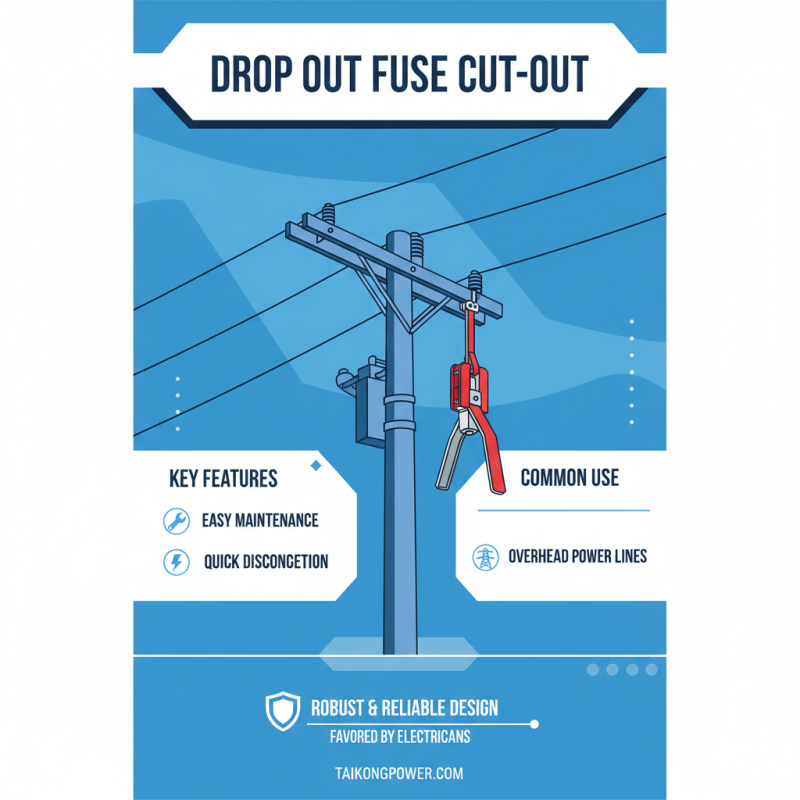
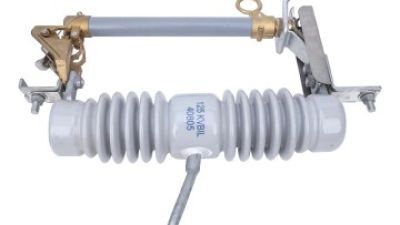
When it comes to electrical installations, understanding the various types of fuse carriers is crucial. A common type is the Drop Out Fuse Cut Out. This design allows for easy maintenance and quick disconnection from the electrical circuit. It is often used in overhead power lines. The robust yet straightforward mechanism makes it favored by electricians.
Other types of fuse carriers include cartridge and plug types. Cartridge fuses are often found in residential settings, while plug fuses are useful in older systems. Identifying the right type of fuse carrier is vital for safety and functionality. Each has unique characteristics, making them suitable for different applications and environments.
While it might seem straightforward, replacing fuse carriers can be tricky. Improper handling can lead to short circuits or system failures. Always ensure the power is off before working on any electrical component. Recognizing the potential hazards can prevent accidents. Stay informed to make better choices when dealing with fuse carriers in your installations.
Essential Safety Precautions Before Cutting Out a Fuse Carrier
Before cutting out a fuse carrier, safety should be the top priority. The voltage around fuse carriers can be dangerously high. A study by the National Fire Protection Association shows that electrical hazards cause over 31,000 home fires each year. These statistics highlight the need for a careful approach. Always wear insulated gloves and goggles. Protective clothing is essential.
Understanding the type of fuse carrier is crucial. For instance, when dealing with an
11kv Drop Out Fuse Cut Out, extra caution is needed. Be aware of the area's power settings. Confirm the fuse is de-energized before proceeding. Have a reliable disconnecting device nearby. Ensure there are no conductive materials around.
Verify that all tools are non-conductive. Keep them clean and well-maintained to prevent accidents. Personal experience matters too. Some individuals neglect safety, leading to injuries. Review your own practices often. Learn from past mistakes. Taking this seriously can save lives. The risks are tangible, but with the right precautions, cutting out a fuse carrier can be done safely.
Step-by-Step Guide to Safely Removing a Fuse Carrier
Removing a fuse carrier requires precision and safety precautions. A 15kV drop-out fuse cut-out is designed to protect electrical circuits. Improper handling can lead to serious hazards. Understanding the components involved simplifies the removal process.
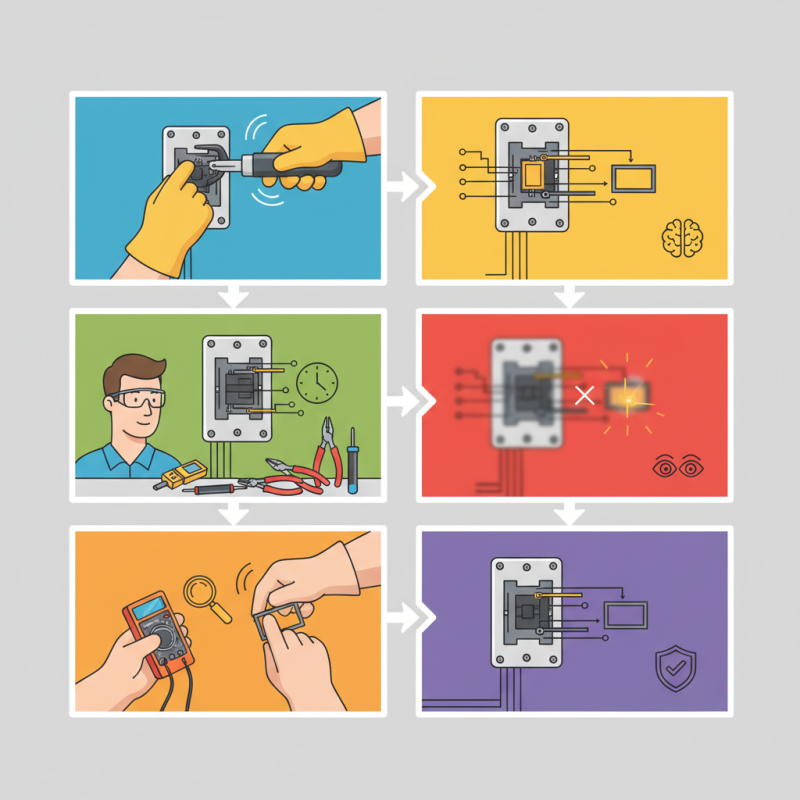
Before starting, ensure you turn off the main power supply. Always use insulated tools. Wearing gloves protects you from electric shock. To remove the carrier, locate the retaining clips. Carefully unclip them with a screwdriver. Secure the area to avoid accidents from falling debris.
Tips: Always keep a first-aid kit nearby. If you're inexperienced, seek assistance from a qualified technician. Regular inspections of fuse carriers can prevent mishaps. The National Fire Protection Association (NFPA) reports that improper electrical maintenance causes 10% of residential fires. A systematic approach to maintenance is crucial.
Once the clips are free, gently pull out the fuse carrier. If resistance occurs, double-check for missed clips. A firm but gentle hand is essential. Improper force can damage components or cause injury. Take your time to ensure safety.
Tools and Equipment Required for Cutting Out a Fuse Carrier
When tackling the task of cutting out a fuse carrier, having the right tools and equipment is crucial. Essential tools include a pair of insulated pliers, a socket wrench set, and safety goggles. Insulated gloves are equally important for protection against electric shock. A sturdy ladder might be needed if the fuse carrier is mounted high.
Using a 27kv drop-out fuse cut out requires understanding its components. Inspect the area for any potential hazards before starting. Ensure proper lighting for visibility and safety. It’s wise to have an assistant nearby, just in case. As you prepare to cut out the fuse carrier, take a deep breath. Rushing can lead to mistakes, which can be dangerous. After isolating the power supply, remove any screws carefully. It’s easy to misplace them, so keep them in a small container.
Once the carrier is free, there may be a delay if the wires are stubborn. Be patient, and don’t apply excessive force. Reflecting on the process can reveal areas for improvement. Perhaps using a wire brush could help in loosening any corrosion. The goal is to complete the task safely and effectively. Always plan for unexpected issues that might arise.
Best Practices for Testing Electrical Circuits After Removing a Fuse Carrier
Testing electrical circuits after removing a fuse carrier is crucial for safety. Ensure you wear personal protective equipment before starting. Disconnect the power supply completely. This step is vital to avoid accidents.
Once the fuse carrier is out, use a multimeter to check for any voltage. Position the probes carefully on the circuit terminals. Reading zero volts indicates the circuit is de-energized. However, if you detect voltage, double-check your safety practices.
Sometimes, circuits may still appear live. This can shake your confidence. Re-evaluating your testing process is important. Remember, not all issues are obvious. A thorough approach prevents future troubles. Always stay cautious and aware.
How to Cut Out a Fuse Carrier Safely and Effectively? - Best Practices for Testing Electrical Circuits After Removing a Fuse Carrier
| Step |
Description |
Tools Required |
Safety Precautions |
| 1 |
Ensure the power supply to the circuit is completely turned off. |
None |
Verify with a multimeter that there is no voltage. |
| 2 |
Remove the cover of the fuse carrier carefully. |
Screwdriver |
Wear safety goggles. |
| 3 |
Disconnect the fuse link from the carrier. |
Pliers |
Handle wires with care to avoid shock. |
| 4 |
Inspect the fuse carrier and surrounding components for damage. |
Flashlight |
Look out for burnt or charred components. |
| 5 |
Test the circuit with a multimeter for continuity. |
Multimeter |
Do not touch probe tips while testing. |
| 6 |
Replace the fuse or the fuse carrier and secure it back. |
None |
Ensure everything is dry and clean before closing. |
| 7 |
Restore power and test the circuit's functionality. |
None |
Stay clear of any exposed wiring. |
Disposing of Old Fuse Carriers According to Industry Standards
When it comes to disposing of old fuse carriers, following industry standards is crucial. Improper disposal can lead to safety hazards. Many components contain materials that could harm the environment. To avoid this, research local guidelines on disposal methods. Understanding regulations helps ensure you act responsibly.
Tips: Always wear safety gloves when handling old fuse carriers. Protect yourself from potential sharp edges. Keep these components in a secured bin until disposal. This minimizes risks of accidental injury.
Many areas provide designated drop-off points for electronic waste. Find a nearby recycling center that accepts fuse carriers. This not only protects the environment but also promotes proper recycling practices. Remember, some fuse carriers may contain hazardous materials, requiring careful handling. Reflect on how your disposal choices impact the planet.
High Voltage Fuse Cut Outs: Ensuring Safety and Reliability for 15KV, 24KV, and 33KV Power Systems
High Voltage Fuse Cut Outs play a critical role in ensuring the safety and reliability of power systems operating at 15KV, 24KV, and 33KV. These devices serve as essential protective components in power distribution networks, providing vital features such as overload and short-circuit protection, alongside crucial circuit isolation capabilities. The design of drop-out fuses means that in the event of a fault, the fuse wire melts and the fuse tube automatically drops out, establishing a clear break in the circuit. This automatic action not only safeguards the system but also prevents further damage to equipment by isolating the faulty section.
The importance of these fuses cannot be overstated, as they act as the "safety guardians" of power distribution lines and transformers. By ensuring that power systems operate within safe limits, drop-out fuses enhance the overall reliability of electrical networks. Their ability to respond quickly to electrical faults helps maintain uninterrupted service while protecting sensitive components from potential harm. As power demands increase and infrastructure becomes more complex, investing in high voltage fuse cut outs is imperative for any power distribution strategy, ensuring both operational efficiency and safety for all connected assets.
FAQS
: Regular exercise improves cardiovascular health. It also boosts mood and can enhance overall well-being.
A workout can be effective in just 30 minutes. However, longer sessions may yield greater benefits.
Yes, warming up helps prepare your body. It reduces injury risk and improves performance.
Diet plays a crucial role in weight loss. But combining it with exercise is more effective.
Aim for at least three times a week. Consistency is key for maintaining progress.
Missing a session happens. Reflect on why it occurred and try to get back on track.
Setting specific goals can help. Joining a group or finding a workout buddy also boosts motivation.
Walking, cycling, and swimming are great. They are low-impact and easy to start with.
Consulting a doctor is wise, especially if you have health concerns. They can provide personalized advice.
Yes, soreness is typical, especially for beginners. It can indicate your muscles are adapting.
Conclusion
The article "How to Cut Out a Fuse Carrier Safely and Effectively" provides a comprehensive guide for individuals looking to safely remove fuse carriers from electrical systems. It begins by detailing the role of fuse carriers and the various types commonly found in installations, emphasizing the importance of understanding their function to ensure safety. Essential safety precautions are highlighted, alongside a step-by-step guide that outlines the process for cutting out a fuse carrier.
Additionally, the article lists the necessary tools and equipment required for this task and outlines best practices for testing electrical circuits after removal. Finally, it addresses the proper disposal methods for old fuse carriers in accordance with industry standards. This thorough approach ensures that readers are well-informed on how to effectively and safely cut out fuse carriers while maintaining compliance with safety regulations.
 +86 15657752999

 Contact Email