+86 15657752999


So, if you're into the electrical industry, you probably know how important understanding a Fuse Holder really is. I remember John Smith from PowerSafe Solutions once saying, “A Fuse Holder is like the unsung hero of electrical systems.” And honestly, that pretty much nails it. It’s easy to overlook, but it’s a key player.
Basically, a Fuse Holder’s job is to keep the fuse securely in place and make sure everything works smoothly. When there’s too much current, the fuse blows — which is like a safety catch. It stops the electricity dead in its tracks, saving your devices from getting fried or worse. But here’s the thing: not all Fuse Holders are built the same. Some can get worn down or faulty over time, and that’s when things can go south fast.
In today’s rush-and-go world, folks often skip over the basics, thinking all Fuse Holders are pretty much the same. That’s a mistake. Choosing the wrong one could lead to serious safety issues. Picking the right Fuse Holder isn’t exactly rocket science, but it does make a big difference between being safe and putting yourself at risk. The industry offers tons of options, sure — but not every single one is reliable. That’s why a little extra thought really pays off.
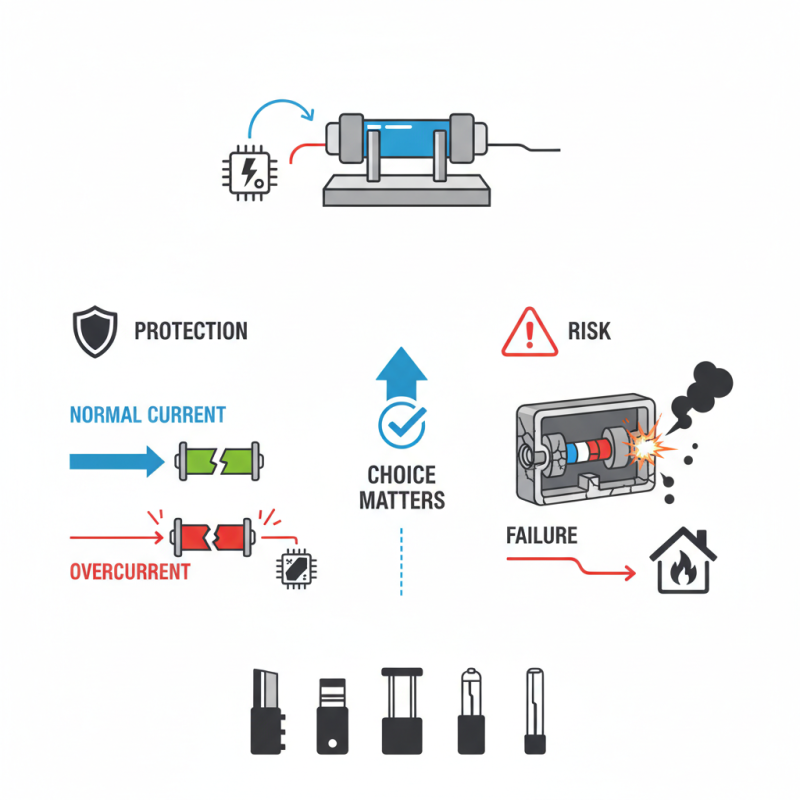
A fuse holder is a crucial component in any electrical system. It securely houses a fuse and connects it to the circuit. The primary purpose of a fuse holder is to protect electrical devices from overloads and short circuits. By interrupting the flow of electricity, it prevents potential damage. Proper installation ensures that the fuse operates effectively.
Choosing the right fuse holder matters. It should match the fuse type and size used in the system. If the holder is incompatible, it may lead to dangerous outcomes. Poor connections can cause overheating or even fires. It's important to check for signs of wear and tear. This can indicate an urgent need for replacement.
Installation should be done carefully. Many people underestimate this step. A loose connection can lead to intermittent failures. Following safety guidelines is crucial. Sometimes, the simplest adjustments make the biggest difference. Recognizing the fuse holder's role can enhance overall safety in electrical systems.
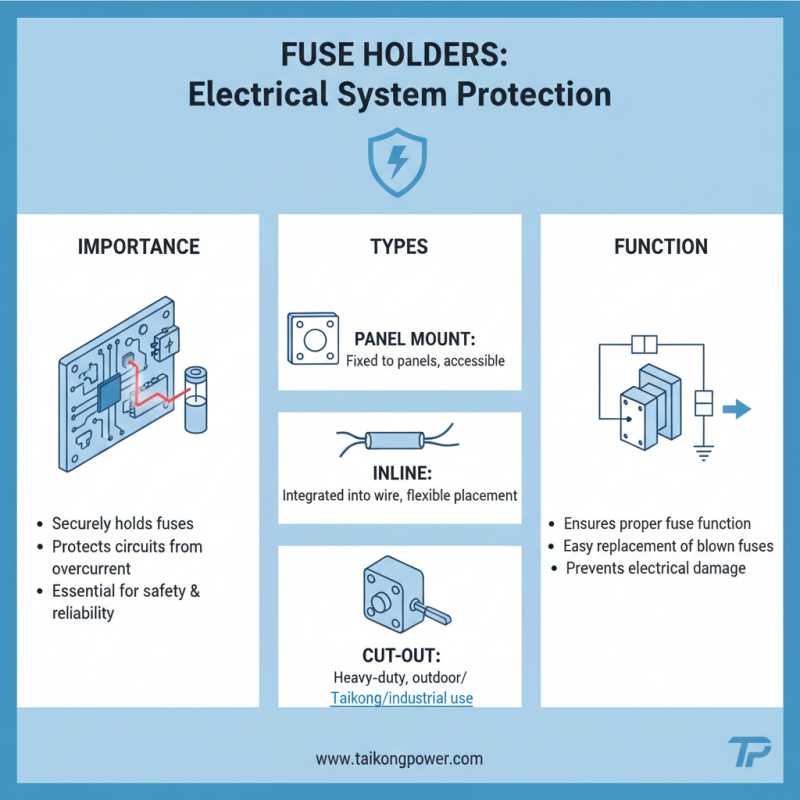
Fuse holders are crucial components in electrical systems. They ensure that fuses are securely held in place. There are various types of fuse holders available, each designed for specific applications. Some common types include panel mount, inline, and Cut Out Fuse Holders. Each design has unique features and use cases.
Panel mount fuse holders are typically used in switchboards. They allow for easy access to fuses for replacement or maintenance. Inline fuse holders connect devices directly and are often found in automotive applications. The cut out fuse holder provides a safe and efficient way to replace a blown fuse without impacting the entire circuit. Industry reports indicate that the demand for fuse holders will grow steadily, especially in renewable energy sectors.
Understanding the right type of fuse holder for your application is vital. It increases safety and reliability. A mismatch could lead to electrical failures or compromised safety. Many electricians still overlook the significance of choosing the right holder. Investing time in this decision can prevent costly mistakes down the line.
Fuse holders are essential components in electrical systems. They house fuses and ensure proper circuit protection. The mechanism is straightforward yet critical. When excessive current flows, the fuse melts and interrupts the circuit. This prevents damage to electrical components.
The design of fuse holders enhances safety and reliability. A High Voltage Fuse Holder is specifically built to handle high current loads. According to industry reports, proper usage of fuse holders can reduce equipment failures by up to 50%. This shows their importance in maintaining electrical integrity. However, many users overlook installation guidelines, leading to potential hazards.
Moreover, ongoing inspections are vital. A neglected fuse holder could lead to overheating or short circuits. Regular maintenance ensures optimal performance. Reports indicate that about 30% of electrical failures are linked to poor fuse holder conditions. These details highlight the significance of attention to detail in electrical systems. Taking time to check fuse integrity can save costs in the long run. Avoiding these simple steps could result in unnecessary risks.
This chart illustrates the relationship between the current ratings of fuse holders and their functionality in circuit protection. The data reflects how different current ratings impact the effectiveness of fuse holders in preventing circuit overloads.
Fuse holders are essential components in electrical systems. They securely hold fuses, ensuring proper connection and protection. Key specifications include voltage and current ratings. It's crucial to select the right ratings to prevent failures.
When choosing a fuse holder, consider the voltage. Voltage ratings indicate the maximum voltage the holder can handle. If the voltage exceeds this limit, sparks or damage can occur. Likewise, current ratings show how much current can flow through the holder. Exceeding these ratings can lead to overheating.
Incorrect specifications may result in system failure. Many overlook proper ratings, which can lead to safety hazards. A fuse holder should match the requirements of your application. The right choice ensures efficient protection and longevity. Take time to research before installing your components.
| Fuse Holder Type | Voltage Rating (V) | Current Rating (A) | Fuse Size Compatibility | Material |
|---|---|---|---|---|
| Standard | 250 | 10 | 5x20 mm | Plastic |
| Panel Mount | 250 | 15 | 6x32 mm | Metal |
| Blade Fuse Holder | 32 | 30 | Standard Blade | Plastic |
| Marine Fuse Holder | 32 | 15 | ATC/ATO | Corrosion Resistant |
| Car Fuse Holder | 12 | 30 | Mini Blade | Plastic |
Fuse holders are essential for ensuring electrical safety. Proper installation is crucial for their effectiveness. Follow these best practices for a safe setup.
Begin by choosing the right fuse holder for your project. Match it with the fuse rating. A mismatch can lead to failures. Ensure the fuse holder is securely mounted. Loose connections can create heat, potentially causing fires. It's wise to use screws or brackets to fix the holder in place.
Tips: Always check the fuse holder for wear and tear. Inspect it regularly to avoid unexpected failures. Keep the area around the fuse holder clean. Any dust or debris can affect performance.
Next, pay attention to wire connections. Use appropriate wire gauge to minimize resistance. Incorrect wiring can lead to short circuits, which are dangerous. Crimp connectors ensure a strong bond between wires and the holder. Avoid over-torquing screws, as this can damage the holder.
Tips: Label each fuse and its purpose. This makes troubleshooting easier and prevents confusion. Consider using a fuse holder with a clear cover. It allows you to see the status of the fuse at a glance.
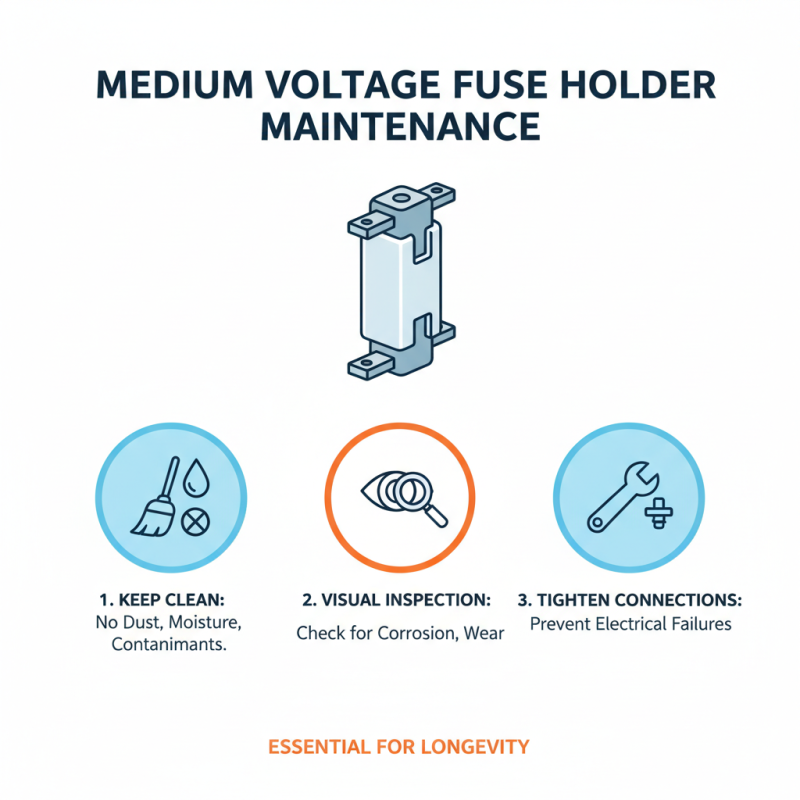
Regular maintenance is essential for the longevity of a Medium Voltage Fuse Holder. A clean environment is crucial. Dust, moisture, and contaminants can compromise connections. Inspecting the holder visually can reveal hidden issues. Look for any signs of corrosion or wear. Tightening loose connections can prevent electrical failures.
Check the fuse holder's contacts regularly. They should remain clean and free from oxidation. Use a soft cloth to wipe them down. If you notice significant wear, replacing the components is wise. It's more cost-effective than dealing with potential failures. Keep an eye out for any unusual smells or heat; they can indicate underlying problems.
Documentation is critical for maintenance. Keeping detailed records helps track changes and repairs. It allows you to identify patterns over time. Knowing when to replace or repair can save you headaches later. Don't overlook these steps. They ensure your medium voltage fuse holder operates safely and effectively. Regular checks will help maintain reliability.
Regulatory compliance is crucial for fuse holders. Fuse holders must meet specific industry standards to ensure safety and functionality. Different regions have varied regulations. Manufacturers should familiarize themselves with these standards before production.
Hrc Fuse are commonly used in many applications. They require specific fuse holders designed for their dimensions. Proper fitting ensures optimal performance and safety. Compliance with regulations helps prevent electrical short circuits or other hazards. Testing and certification by recognized bodies can enhance the credibility of these components.
Tips for choosing a fuse holder: Always check compatibility with your chosen fuse type. Look for holders that provide easy access for replacements. Understand the environmental conditions where the holder will be used. This may affect its moisture resistance and durability. Regular inspections can help identify potential issues early.
The IEC 60282-1 standard outlines the specifications for 15kV drop-out fuse cutouts, which are critical components in the electrical distribution system, particularly for medium-voltage lines. These fuses serve as an essential safeguard for 10kV distribution line branches and transformers, providing robust short-circuit protection. Functioning effectively as an isolating switch during maintenance, the unique breaking point design enhances both safety and operational efficiency. Reports indicate that the deployment of drop-out fuses can significantly minimize the scope of power outages, which can alter service reliability based on studies showing that 90% of electrical disruptions stem from faults in the distribution network.
The reliability of these drop-out fuses is attributed to their cost-effectiveness and ease of operation, making them a preferred choice for utilities. These devices not only facilitate easy switching operations but also possess strong outdoor adaptability, ensuring functionality even under varied environmental conditions. By integrating drop-out fuse cutouts into the primary side of 10kV distribution lines and transformers, utilities can enhance protection mechanisms, ensuring greater grid stability. The increased adoption of these fuses aligns with industry trends aiming to improve the resilience of electrical infrastructure, as indicated by projections highlighting a growth in demand for efficient protective devices in energy distribution by 15% over the next five years.
: The main function is to improve user experience. It helps with daily tasks efficiently.
Yes, it is designed for daily use. Many users find it beneficial for regular activities.
Results vary by individual. Some notice improvements within weeks, while others may take longer.
Generally, it is safe. However, users should monitor any unusual reactions and seek help if needed.
Some users report mild side effects. These can include discomfort or temporary changes in routine.
If discomfort occurs, it’s best to pause use. Consider consulting with a professional for guidance.
It is designed for a wide range of users. However, younger individuals should get adult approval.
Store in a cool, dry place. Avoid direct sunlight and high humidity to maintain quality.
Sharing is not recommended. Individual needs and sensitivities vary, so personal use is best.
Misuse may lead to negative results. Reflection on usage habits may be necessary to avoid issues.
A fuse holder is a crucial component in electrical systems, designed to securely hold a fuse and provide circuit protection. Its primary purpose is to ensure that the fuse can be easily replaced and that the circuit can shut off safely in the event of an overload or short circuit. There are various types of fuse holders, each with distinct designs tailored for specific applications. Understanding how fuse holders operate is essential, as they serve as a reliable mechanism that interrupts electrical flow when necessary, thus safeguarding the entire system.
When considering installation and usage, adhering to best practices is vital for safety. Key specifications such as voltage and current ratings must be followed to ensure proper functionality. Regular maintenance can enhance the longevity and reliability of fuse holders, while compliance with industry standards guarantees that they meet necessary regulatory requirements. Proper knowledge of these elements is essential for anyone working with fuse holders in electrical applications.