+86 15657752999


Figuring out top-notch CE-certified Fuse Holders is pretty important these days if you're dealing with electrical stuff. The global market for fuse holders is expected to hit around USD 1.4 billion by 2025, which shows just how much people want safe and dependable electrical components. Companies like Littelfuse and Bussmann are expanding their product lines, so making sure you're choosing quality really matters now more than ever.
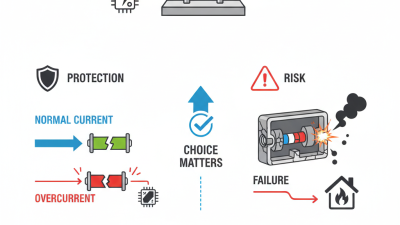
But here’s the thing: lots of manufacturers might claim their products meet CE standards, but not all of them stick to those standards consistently. A recent industry report even found that over 30% of supposedly certified products didn’t actually pass safety checks when tested. That’s a clear sign you gotta do your homework before buying Fuse Holders. Picking the right one isn’t just about safety; it also helps your electrical setups last longer.
And don’t forget to look at what materials are used. For example, materials rated UL94 V-0 are more flame-resistant, which is a big plus. Unfortunately, not every manufacturer puts enough emphasis on using high-quality stuff. So, it’s really a good idea to do some careful research—read reviews, check out industry reports, and make sure you’re dealing with reputable suppliers. Also, watch out for flawed certification processes; they could lead to serious hazards down the line. Bottom line: always stay vigilant when selecting Fuse Holders to keep things safe and reliable.
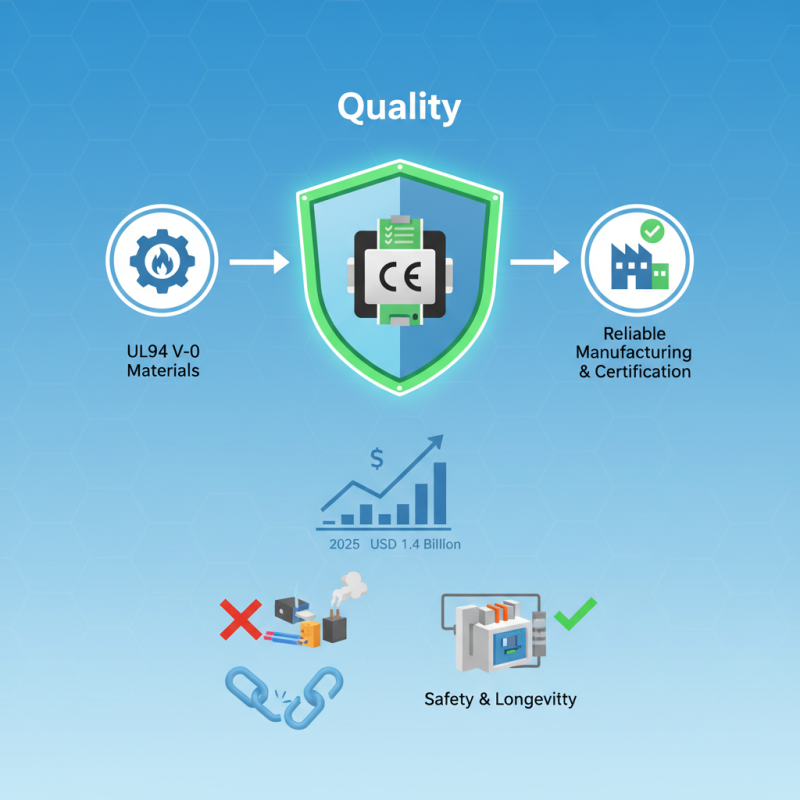
CE certification is vital for fuse holders. It demonstrates compliance with European safety standards. Products without CE marking may not meet the necessary safety requirements. This can lead to product failures and hazards. Manufacturers must prioritize CE certification to ensure quality and safety in their fuse holders. Understanding the testing procedures can be complex. Not all factories might follow the same rigorous practices.
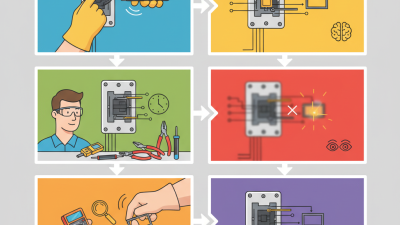
High-quality manufacturers invest in proper documentation and testing. These documents verify that their Cut Out Fuse Holder meets CE standards. They may also demonstrate proficiency in electrical safety and performance. However, not every manufacturer is transparent. Some may provide vague information or insufficient documentation. It’s crucial to seek detailed insights into their certification process. This can help in identifying potential pitfalls in their products.
Checking customer feedback is equally important. Poor reviews may indicate issues with safety or reliability. Visit trade shows to scrutinize a manufacturer's commitment to quality. Engaging in direct communication can reveal much. Ask specific questions about the testing methods and compliance records. Beware of manufacturers that cannot provide clear answers. Avoiding potential risks starts with knowing your suppliers better.
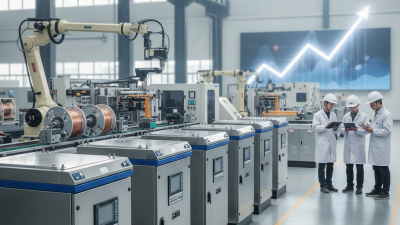
When searching for high-quality CE certification fuse holder manufacturers, several key characteristics stand out. Reliability is crucial. Reputable manufacturers often showcase stringent quality control processes. They test their products rigorously, often revealing their commitment to safety. Look for companies that provide detailed testing reports.
Design and material also matter when choosing a fuse holder. High Voltage Fuse Holder should be made from durable materials, capable of withstanding extreme conditions. Fine craftsmanship usually indicates a manufacturer’s dedication to excellence. Transparency in sourcing materials adds value. Many manufacturers still struggle with consistent quality in this area.
Good customer support can set a manufacturer apart. Assess their responsiveness before making a decision. A company's willingness to address concerns reflects their overall professionalism. Some manufacturers may offer warranties, which can be a strong indicator of their confidence in their product. It’s essential to weigh these aspects carefully. The market is filled with options, but not all are created equal.
When searching for high-quality fuse holder manufacturers, consider their certifications beyond CE. Various certifications indicate compliance with industry standards. These can enhance the credibility of the manufacturer. It's crucial to know which certifications are essential.
Look for certifications like UL, IEC, and RoHS. Each has specific requirements that ensure safety and performance. UL certification focuses on electrical safety, while IEC emphasizes international standards. RoHS compliance limits harmful substances, which is vital for environmental safety. Understanding these certs helps you make informed decisions.
Quality also varies greatly among manufacturers. Some factories may claim certifications but lack the rigorous testing needed. Verifying the authenticity of these claims is essential. You might find discrepancies in product quality between different suppliers. This reflects the importance of due diligence before finalizing your choices. Prioritize manufacturers who transparently share their certification details. This practice boosts trust and showcases their commitment to quality. When exploring options for a Medium Voltage Fuse Holder, consider their certifications as part of your decision-making process.
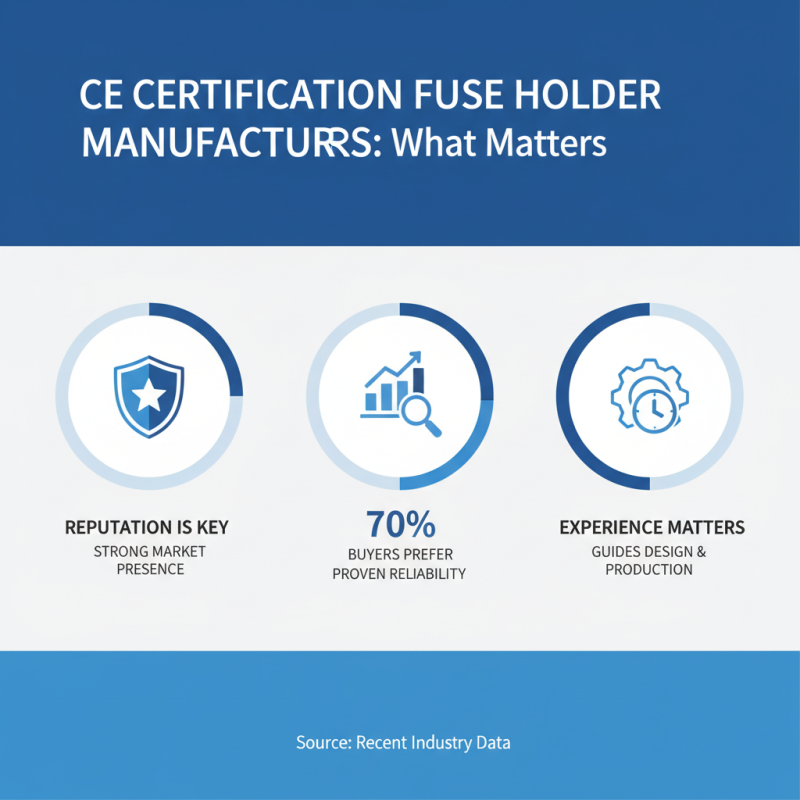
When assessing high-quality CE certification fuse holder manufacturers, reputation is key. A strong market presence often indicates reliability. According to recent industry data, around 70% of buyers prefer manufacturers with established histories. These companies typically have years of experience, which can guide their design and production processes.
Evaluating customer reviews offers additional insight. Positive feedback suggests consistent quality, while negative reviews reveal potential issues. Reports indicate that 60% of customers share experiences online. This shared information is vital for understanding a manufacturer's reliability. It is also essential to verify certifications. Some manufacturers may claim compliance without proper evidence, leading to concerns about product safety and performance.
Market analysis shows that companies with transparent practices gain consumer trust. They often provide detailed information about their manufacturing processes. However, some manufacturers overlook this aspect, resulting in skepticism. Choosing a partner with a proven track record in both market presence and reputation can lead to more successful collaborations. Reflect on these aspects when seeking out a manufacturer to ensure you select the best option for your needs.
When looking for a high-quality CE certification fuse holder manufacturer, customer reviews are invaluable. Customers often share their experiences. Positive feedback can highlight the reliability of Hrc Fuses. Reviews can reveal common issues. Look for consistent mentions of product quality, durability, and reliability. If multiple customers report problems, it’s a red flag.
Testimonials also provide insight. Some users may describe the installation process. A simple installation indicates good design. Others may discuss the performance of Hrc fuses over time. This information can help you gauge overall customer satisfaction. Reviews may not always paint a perfect picture. Some feedback will be overly critical or overly positive. Take time to analyze them critically for a balanced view.
It’s also essential to consider how manufacturers respond to complaints. A company that addresses issues shows commitment to quality. Read how they approach customer concerns. The willingness to rectify problems adds an extra layer of trust. Remember, quality is not just about the product; it's about the support you receive after purchase.
When searching for high-quality CE certification fuse holder manufacturers, examining supply chain and material sourcing practices is crucial. A recent industry report indicates that approximately 70% of product failures are linked to poor material sourcing. This emphasizes the importance of ensuring that manufacturers use high-quality materials that meet CE standards.
For instance, a reliable manufacturer should source materials from trusted suppliers. They should conduct regular audits to ensure compliance with safety and quality standards. Transparency in sourcing is essential. Some manufacturers may not disclose their sources, raising red flags. A lack of visibility can lead to serious safety issues in fuse holders.
Additionally, consider the environmental impact of sourcing practices. An estimated 60% of consumers are willing to pay more for products made sustainably. Manufacturers who prioritize eco-friendly materials often demonstrate higher quality in their end products. However, not all manufacturers embrace this approach, highlighting a potential gap in quality assurance practices in the industry. This gap necessitates a closer examination of potential suppliers to ensure they meet both safety standards and sustainable practices.
| Manufacturer Region | Material Sourcing Quality | Supply Chain Transparency | CE Certification Validity | Average Lead Time (days) |
|---|---|---|---|---|
| East Asia | High-Quality Materials | High Transparency | Valid until 2025 | 30 |
| Western Europe | Medium-High Quality | Medium Transparency | Valid until 2024 | 25 |
| North America | High Quality | Excellent Transparency | Valid until 2026 | 15 |
| Southeast Asia | Variable Quality | Low Transparency | Pending Review | 40 |
| South America | Low to Medium Quality | Medium Transparency | Valid until 2023 | 35 |
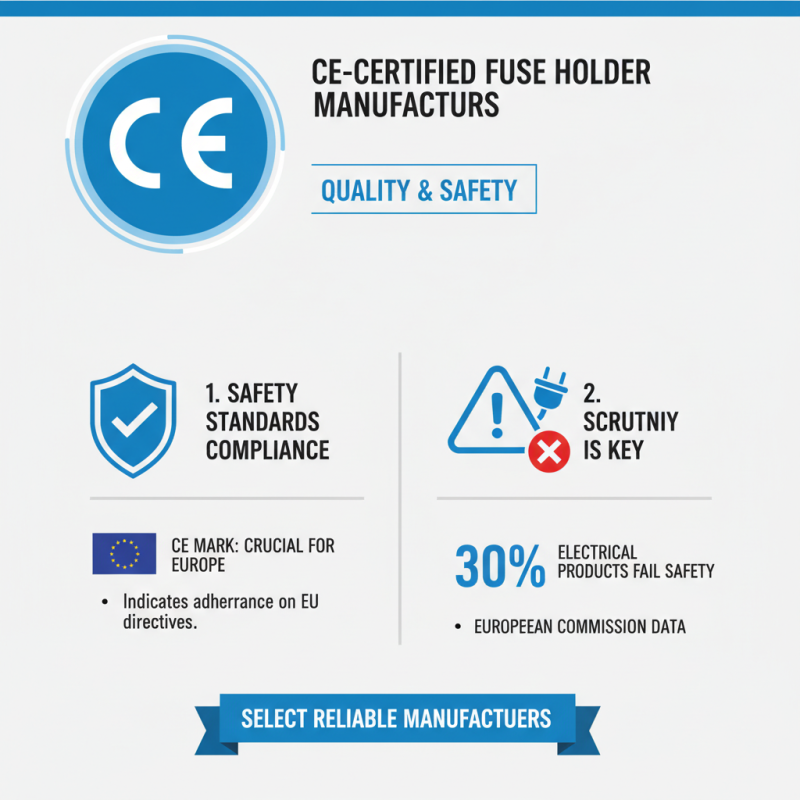
Identifying high-quality CE certification fuse holder manufacturers starts with evaluating their compliance with established safety standards. The CE mark is crucial in Europe, indicating compliance with the relevant directives. According to the European Commission, about 30% of electrical products do not meet safety standards. This alarming statistic highlights the need for detailed scrutiny when selecting manufacturers.
A reliable manufacturer should conduct regular testing of their products. This includes compliance with the Low Voltage Directive (LVD) and the Electromagnetic Compatibility (EMC) Directive. Reports from the International Electrotechnical Commission stress that non-compliance can lead to dangerous failures. Hence, verifying a manufacturer’s compliance records is vital. Inspecting their certifications provides insight into their quality control processes.
Engaging with manufacturers about their safety protocols is essential. This includes understanding how they handle defects and recalls. Transparency in these areas is rare. Many fail to disclose past issues openly. Caution is warranted, as discrepancies often indicate underlying quality problems. Ultimately, thorough investigation helps in selecting a trustworthy manufacturer. Compliance with standards is not just a box to check; it assures reliability and safety in use.
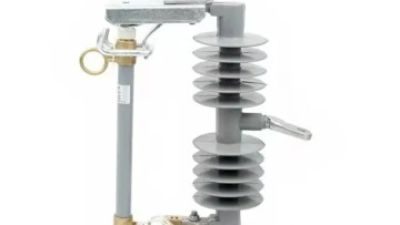
In the realm of electrical safety, optimizing transformer protection is paramount for ensuring the reliable function of power distribution systems. The 27KV silicone rubber drop-out fuses stand out as essential components designed to mitigate risks associated with over-current and short-circuit faults. These fuses provide a critical line of defense, leveraging advanced materials to ensure long-lasting performance and stability even in high-stress environments.
The unique properties of silicone rubber make these drop-out fuses particularly effective. They offer excellent insulation, withstand harsh weather conditions, and resist environmental degradation, making them ideal for outdoor installations. By integrating these fuses into transformer systems, operators can significantly enhance safety measures, ultimately protecting both the equipment and the entire network from potentially devastating failures. Moreover, the design of silicone rubber fuses allows for easy installation and maintenance, streamlining operational processes and reducing downtime.
Investing in reliable fuse solutions not only safeguards electrical infrastructure but also ensures the continuous operation of transformers, thereby upholding the integrity of power distribution networks. The implementation of such optimized safety solutions will lead to improved operational efficiencies and a reduction in the likelihood of costly outages, reinforcing the importance of comprehensive protection strategies in today's demanding energy landscape.
: The product is designed to improve everyday convenience and enhance user lifestyle quality.
Follow the instructions provided in the manual. Consistency is key for optimal results.
While suitable for all ages, it’s best for adults. Supervision may be needed for children.
Yes, a return policy exists. Ensure you keep the original packaging for a smoother process.
Some users may experience mild reactions. It’s advisable to discontinue use if discomfort occurs.
Keep it in a cool, dry place. Avoid direct sunlight to prolong its lifespan.
A limited warranty is available. Check the terms for details on coverage.
Regular use often yields the best results. Adjust frequency based on your personal experience.
Reevaluate the usage instructions. Sometimes, minor adjustments lead to better performance.
Alternatives exist, but results may vary. Research is crucial for informed comparisons.
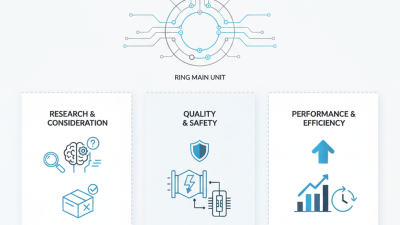
When seeking high-quality CE certification fuse holder manufacturers, it's essential to first understand the significance of CE certification and its role in ensuring product safety and compliance. Key characteristics of top manufacturers include their commitment to quality, transparency in sourcing materials, and adherence to safety standards. Beyond CE, other industry certifications can further validate the reliability of their products.
Evaluating a manufacturer's reputation through market presence and analyzing customer reviews are crucial steps. These insights can shed light on product performance and durability. Additionally, examining supply chain practices provides a clearer picture of material integrity and sustainability efforts. Ultimately, thorough research and due diligence are vital in identifying reliable fuse holder manufacturers that prioritize quality and safety.