 +86 15657752999

inquiry
Leave Your Message
-
Contact Phone
-
 Contact Email
Explore our leading polymer arresters and insulation technologies designed to comply with rigorous utility standards and operate reliably under diverse climatic conditions.
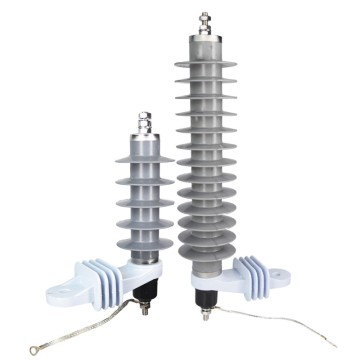
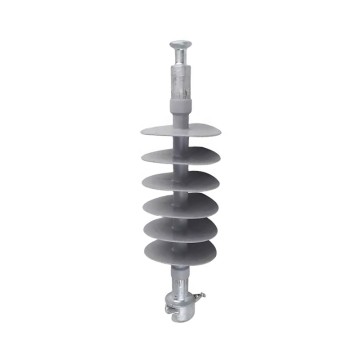
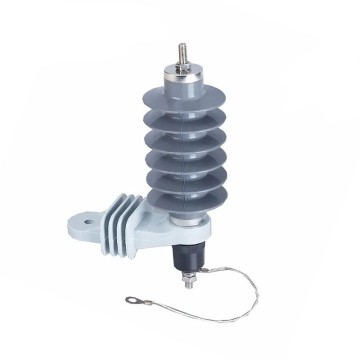
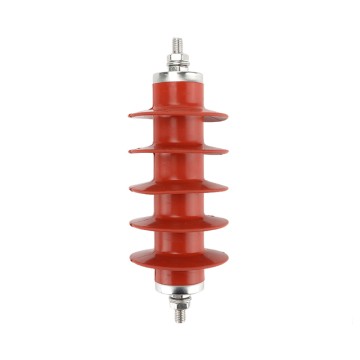
The United Mexican States is experiencing an industrial renaissance, primarily catalyzed by the global phenomenon of "nearshoring." As multinational corporations seek to optimize supply chains and locate manufacturing centers closer to North American markets, Mexico has emerged as a premier destination for high-tech manufacturing, automotive assembly, aerospace engineering, and heavy industrial operations. Regions such as the Bajío (including Querétaro and Guanajuato) and northern hubs like Monterrey, Saltillo, and Tijuana are witnessing unprecedented growth in industrial parks and manufacturing facilities.
This rapid industrialization places massive demands on the national electrical grid (Sistema Eléctrico Nacional - SEN), operated and managed by the state-owned utility, Comisión Federal de Electricidad (CFE). Modern factories, automated assembly lines, and high-precision data centers require continuous, clean, and stable electrical power. Transient overvoltages—caused by lightning strikes during Mexico's intense wet seasons or by switching surges within heavy industrial circuits—can lead to catastrophic failures. The breakdown of power transformers, switchgear, and control systems not only incurs high replacement costs but also results in crippling operational downtime. To mitigate these risks, the installation of high-quality polymer surge arresters is paramount to safeguarding valuable electrical assets across the country.
With CFE actively upgrading distribution networks to handle increased industrial loads, the integration of polymer surge arresters has become a standard specification. These devices act as high-speed voltage-clamping valves, instantly diverting transient surges safely to the ground and protecting sensitive components from dielectric breakdown.
Historically, porcelain-housed surge arresters were the standard choice for electrical utilities. However, the global power transmission and distribution (T&D) sector, including Mexico's energy market, is rapidly transitioning to polymer-housed designs. This technological shift is driven by substantial improvements in safety, durability, installation logistics, and overall lifecycle cost-effectiveness.
Mexico is situated along the circum-Pacific seismic belt, making it one of the most seismically active regions in the world. Earthquakes pose a constant threat to substation and overhead line components. Traditional porcelain arresters are rigid, heavy, and brittle; seismic shocks can easily fracture their outer shells, leading to immediate system failures. In contrast, polymer arresters feature a lightweight, flexible silicone rubber housing molded over a fiberglass-reinforced epoxy structure. This design provides outstanding mechanical damping, allowing the arrester to withstand severe ground movements and structural vibrations without structural damage.
Under extreme fault conditions or severe overvoltages that exceed the arrester's energy absorption capacity, internal pressure can build up rapidly. In legacy porcelain designs, this pressure often leads to a violent explosion, scattering sharp ceramic shrapnel across the substation. This shrapnel can destroy adjacent equipment, such as expensive power transformers or nearby switchgear, and presents a severe safety hazard to maintenance crews. Polymer arresters are engineered with a non-shattering pressure relief mechanism. Under extreme internal pressure, the flexible silicone housing simply ruptures or vents along a pre-designed seam, preventing explosive disintegration and protecting surrounding infrastructure.
Mexico boasts extensive coastlines along the Pacific Ocean and the Gulf of Mexico, alongside heavily polluted industrial corridors. Salt spray, dust, and chemical particulates accumulate on the surface of outdoor insulations. During periods of high humidity, fog, or light rain, these contaminants form a conductive layer, leading to surface leakage currents, dry-band arcing, and catastrophic flashovers. Silicone polymer is naturally hydrophobic. It prevents water from forming a continuous conductive film, forcing it to bead up and roll off the surface. This self-cleaning capability ensures long-term insulation integrity in coastal areas like Veracruz, Tamaulipas, and the Baja Peninsula, reducing the need for manual cleaning and maintenance.
To optimize grid reliability, polymer arresters must be selected and deployed based on the specific climatic and operational challenges of each Mexican region:
Metropolitan areas like Mexico City, Toluca, and Puebla are located at elevations exceeding 2,000 meters above sea level. At high altitudes, the reduced density of the air decreases its dielectric strength, making electrical flashovers more likely to occur. Surge arresters deployed in these regions must be engineered with extended creepage distances and specialized housing profiles to compensate for the lower atmospheric pressure, ensuring reliable overvoltage protection without premature flashovers.
The Isthmus of Tehuantepec in Oaxaca is renowned for its high wind speeds and hosts some of the largest wind farms in Latin America. These wind turbines, standing tall in open terrains, are highly susceptible to direct lightning strikes. Furthermore, coastal humidity and salinity accelerate the degradation of insulation materials. Polymer surge arresters with high-grade silicone housings are integrated directly into the wind turbine nacelles, step-up transformers, and collector networks to discharge high-energy lightning currents and withstand harsh marine air.
Northern Mexico, particularly the Sonoran Desert, features some of the highest solar irradiance levels globally, making it ideal for utility-scale solar photovoltaic installations. These vast solar arrays require extensive grounding and surge protection networks to safeguard sensitive inverter stations, battery energy storage systems (BESS), and step-up substations from lightning-induced transients. Polymer arresters provide the necessary thermal stability and high energy absorption capability to operate reliably under extreme desert temperatures.
In highly populated cities like Guadalajara and Monterrey, overhead distribution lines are frequently upgraded to compact underground or semi-insulated systems. Polymer-housed elbow arresters and distribution-class arresters are widely used in pad-mounted transformers and compact switchgear due to their space-saving dimensions, ease of installation, and maintenance-free design.

Leading the Way in Power Safety & Reliability. Your Trusted Partner in Electrical Solutions.
Jiangxi Taikong Power Technology Co., Ltd. is a high-tech enterprise specializing in the power transmission and distribution sector. We integrate R&D, manufacturing, sales, and service into a comprehensive offering. Based in Jiangxi, China, we serve a global clientele, dedicated to providing high-quality, highly reliable key components and solutions for power grid systems, industrial power consumption, and new energy projects.
To ensure the safety, stability, and efficiency of electrical systems through innovative technology and superior products, contributing to the global electrification process.
We understand that safety in power systems is paramount. Therefore, we focus on four core product lines, where each product embodies our utmost commitment to quality and safety:

Serving as the first line of defense for electrical systems, our drop-out fuse cutouts feature precise breaking capacity and excellent arc-extinguishing performance. They effectively isolate faulty lines, protecting main equipment and the grid.

We offer advanced zinc oxide surge arresters that provide robust over-voltage protection for power facilities. Whether during thunderstorm seasons or against switching surges, our arresters effectively dissipate energy, ensuring equipment insulation remains undamaged.
Our composite and porcelain insulator series provide steadfast support and isolation for transmission lines and substations in various harsh environments, thanks to their exceptional mechanical strength, weather resistance, and electrical insulation properties.

Our switchgear products are engineered for reliability and precision, enabling flexible control and safe distribution of electrical power. They are widely used in urban power grids, industrial plants, and various distribution sites, ensuring accurate and efficient power management.
We deliver high-voltage equipment manufactured to international standards, backed by technical expertise and dedicated customer support.
We strictly adhere to International Electrotechnical Commission (IEC) standards and Chinese National (GB) standards. Every step, from raw material procurement to the manufacturing process, is governed by a rigorous quality control system to ensure zero defects in our finished products.
Our experienced R&D team, in close collaboration with various research institutions, continuously focuses on product optimization and technological innovation to meet the evolving demands of the market.
We provide more than just products; we offer end-to-end service. From professional technical consultation and flexible custom solutions to comprehensive after-sales support, we are committed to our customers' success.
Our products have been successfully exported to numerous countries and regions, proving their excellence in various power grid upgrades, infrastructure projects, and industrial applications worldwide, earning the trust of our clients.
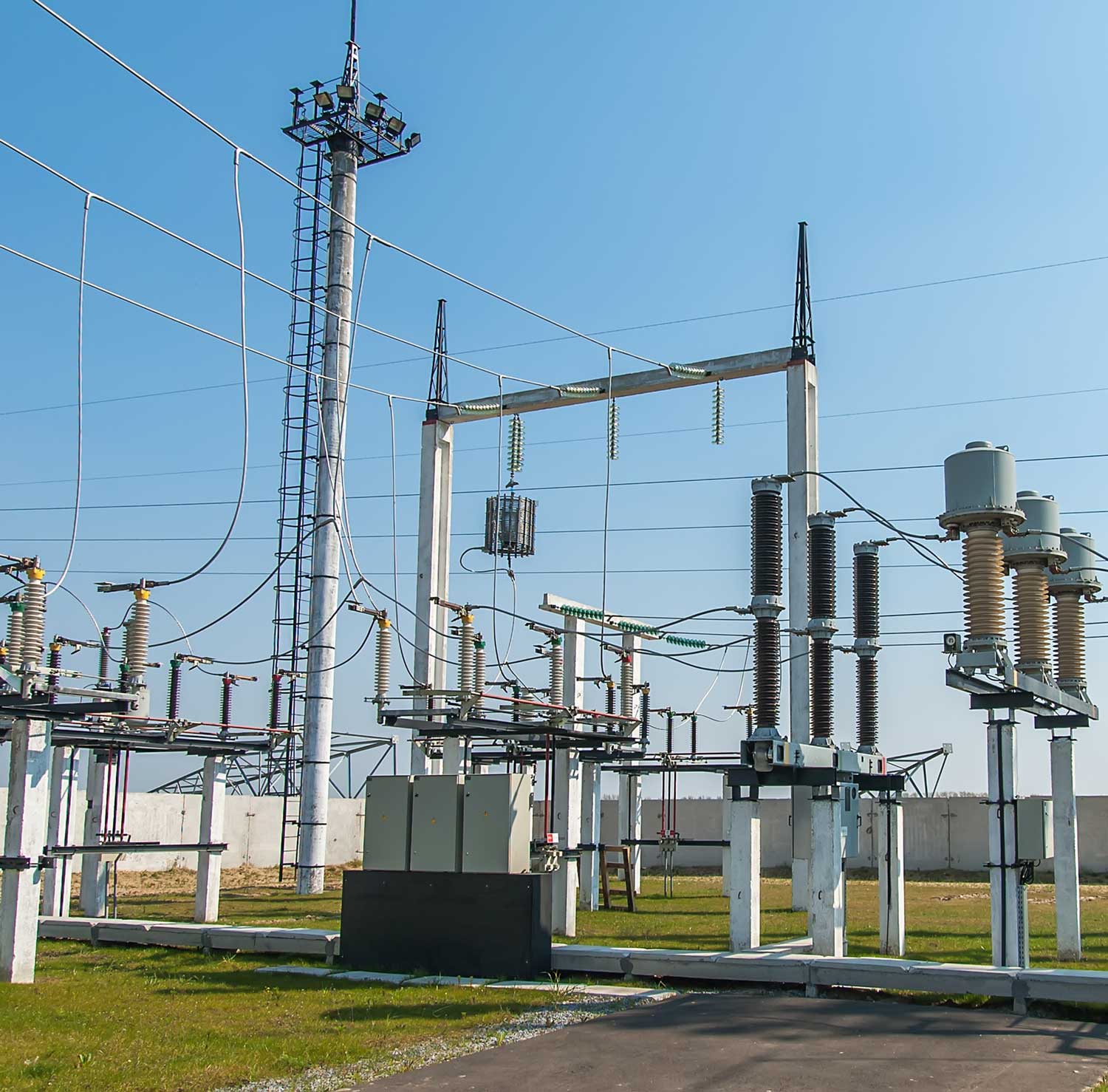
At Jiangxi Taikong Power, we believe that reliable electricity is the cornerstone of modern societal development. We are committed to manufacturing every product with a spirit of meticulous craftsmanship and serving every customer with a philosophy of collaboration and mutual success.
Choosing Jiangxi Taikong Power means choosing safety, choosing reliability, and choosing a lasting partnership.
We look forward to working with you to power the future, together.Discover our full range of high-voltage transmission and distribution components, optimized for CFE grid specifications and harsh environmental demands across Mexico.