
 +86 15657752999

0102030405
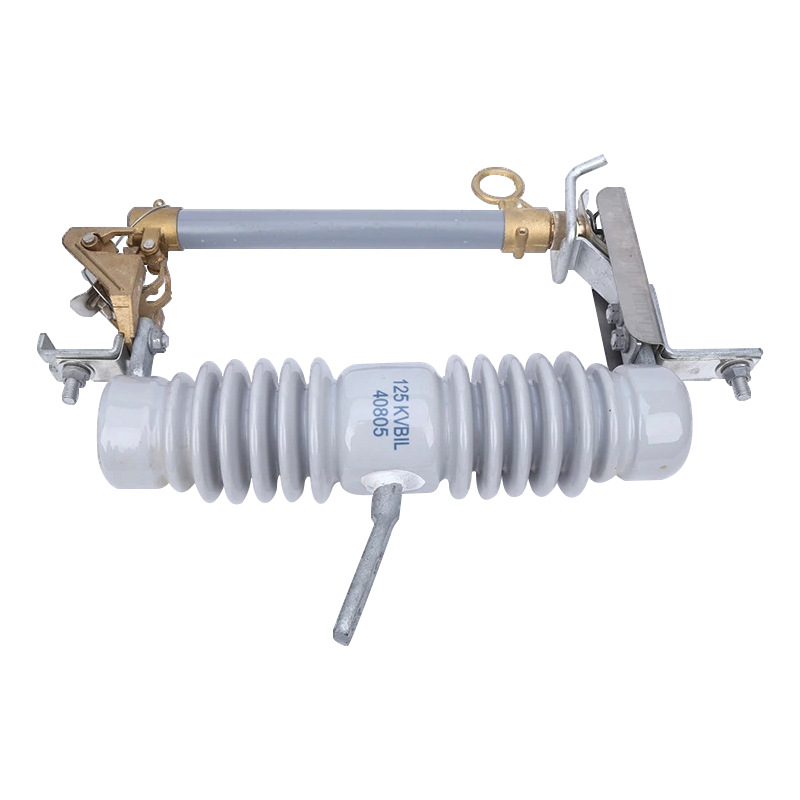
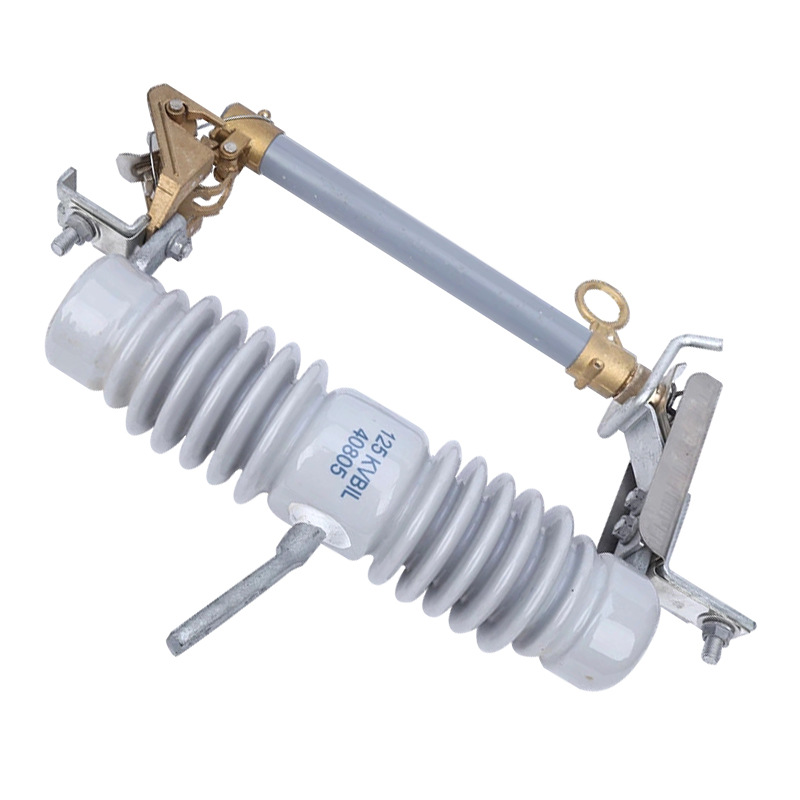
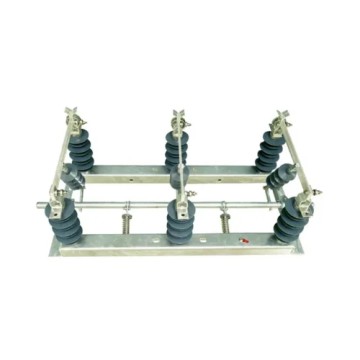
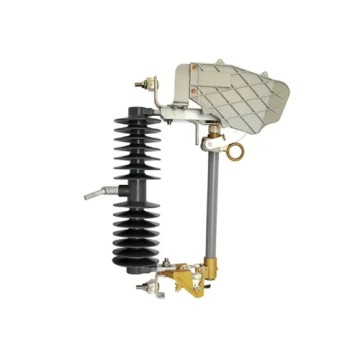
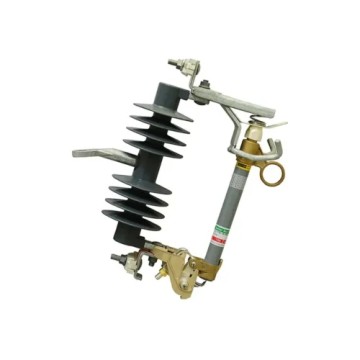
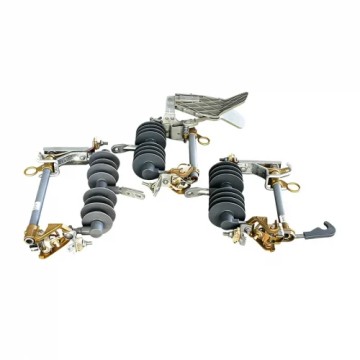
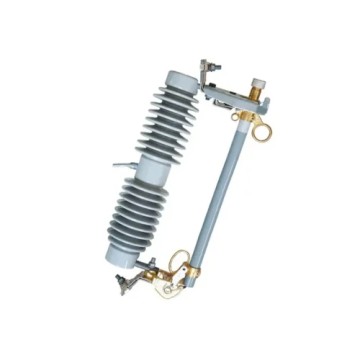
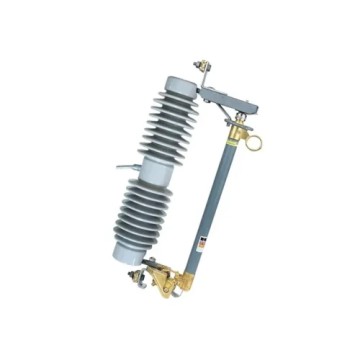
High Voltage Fuse Cut Out 15KV/24KV/33KV - Reliable China Suppliers & Factory for Power Distribution Safety
What are the advantages of drop-out fuses?
Reliable Overcurrent Protection
Instantly interrupts fault currents and overloads, preventing damage to expensive equipment like transformers and capacitors, and enhancing overall grid stability.
Clear Visible Break
Upon fusing, the fuse link melts, releasing the fuse tube which drops down and pivots, providing a clear, visible open gap. This allows linemen to quickly identify and locate the faulted section, speeding up restoration.
Robust & Durable Construction
Manufactured from high-strength materials such as polymer-housed or porcelain-housed designs, our fuse cutouts are built to withstand harsh environmental conditions, including UV radiation, moisture, and temperature extremes.
Safe Operation & Isolation
The drop-out action provides a visible air break, ensuring safe isolation of the faulted circuit for maintenance crews. They are designed for easy and safe fuse link replacement from the ground using a hot stick.
How to Choose Drop Out Fuse Cut Out?
⚡ Rated Voltage
11KV, 15kV, 24KV, 27kV, 33kV, 36KV
🔌 Rated Current
100A, 200A
📋 Standards Compliance
Manufactured in accordance with international standards such as IEC, ANSI, or other relevant national standards.
🏗️ Housing Material
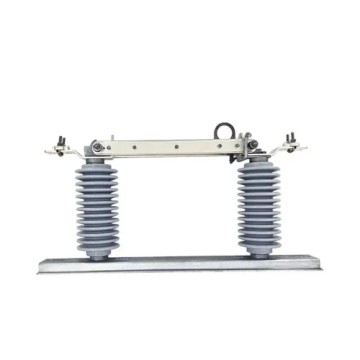
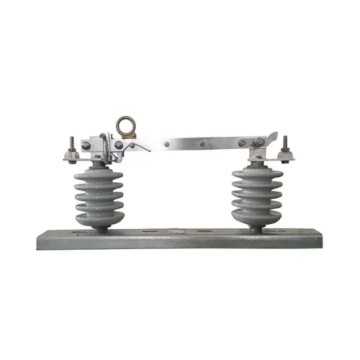
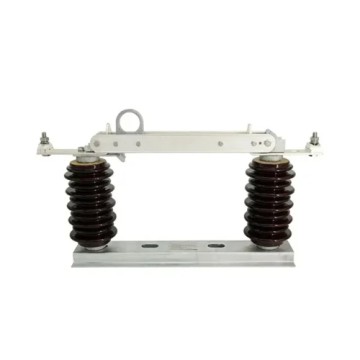
We have Porcelain and Polymer type for choice.
Why Choose Our Drop-Out Fuse Cutouts?
Proven Performance: Trusted by utilities and industries worldwide for consistent and reliable operation.
Enhanced Safety: Protects both your equipment and your personnel.
Reduced Downtime: Quick fault identification and restoration minimize service interruptions.
Cost-Effective: An economical first line of defense for electrical assets.
Expert Support: Our technical team is available to help you select the right product for your specific requirements.
Frequently Asked Questions (FAQ)
Q
What is a drop-out fuse cutout and how does it work?
A drop-out fuse cutout is a combination of a fuse and a disconnect switch used in overhead electrical distribution systems. When a fault or overload occurs, the fuse link melts, causing the fuse tube to drop open by gravity. This creates a visible air gap, clearly indicating the faulted section and isolating it from the rest of the circuit.
Q
What voltage ratings are available for your drop-out fuse cutouts?
Our drop-out fuse cutouts are available in a range of rated voltages to suit various distribution network requirements: 11KV, 15kV, 24KV, 27kV, 33kV, and 36KV, with rated currents of 100A and 200A.
Q
What is the difference between porcelain and polymer drop-out fuse cutouts?
Porcelain cutouts offer excellent electrical insulation and long-term mechanical strength, making them suitable for traditional installations. Polymer (composite) cutouts are lighter in weight, more resistant to vandalism and cracking, and provide better performance in areas with heavy pollution or coastal environments. Both types offer reliable protection — the best choice depends on your installation environment and requirements.
Q
What international standards do your drop-out fuse cutouts comply with?
Our drop-out fuse cutouts are manufactured in accordance with internationally recognized standards, including IEC (International Electrotechnical Commission) and ANSI (American National Standards Institute), as well as other relevant national standards. This ensures consistent quality, safety, and interoperability across different markets.
Q
How do I safely replace a blown fuse link in a drop-out fuse cutout?
Drop-out fuse cutouts are specifically designed for safe field servicing. Once the fuse has operated and the tube has dropped to the open position, a qualified lineman can safely replace the fuse link from the ground using an insulated hot stick, without the need to de-energize the entire line. Always follow local safety regulations and procedures when performing any maintenance work.
Q
What equipment do drop-out fuse cutouts typically protect?
Drop-out fuse cutouts are commonly used to protect distribution transformers, capacitor banks, overhead feeder lines, and other valuable electrical assets on medium-voltage distribution networks. They serve as a cost-effective first line of defense against fault currents and overloads, helping to minimize equipment damage and reduce outage duration.
Inquire Now!
If you have any needs, please feel free to contact me and I will be happy to serve you.