 +86 15657752999

0102030405
10kV Surge Arrester Troubleshooting: Common Faults and Fixes
2026-10-19
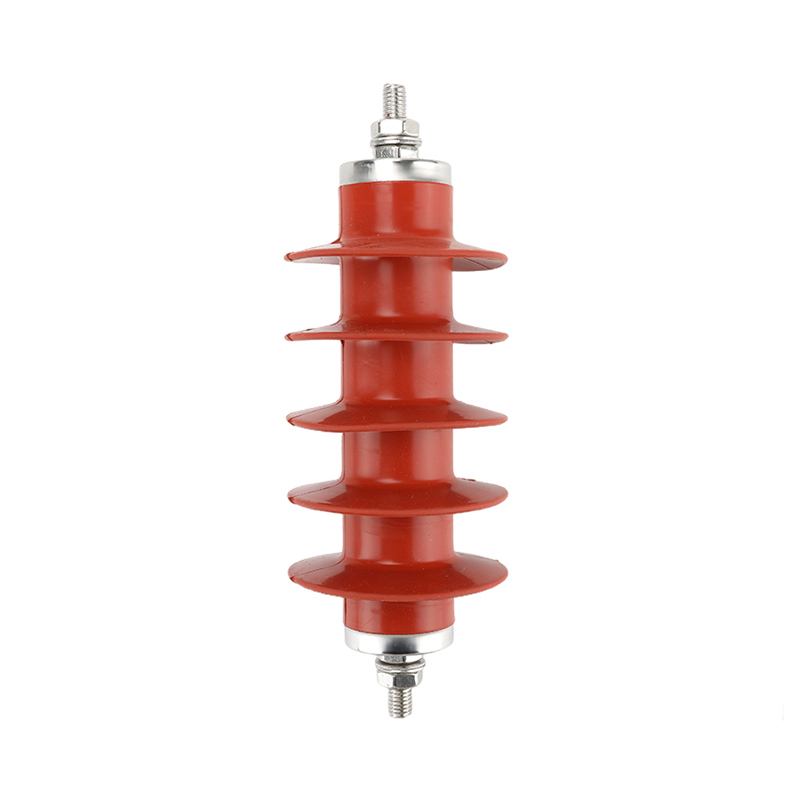
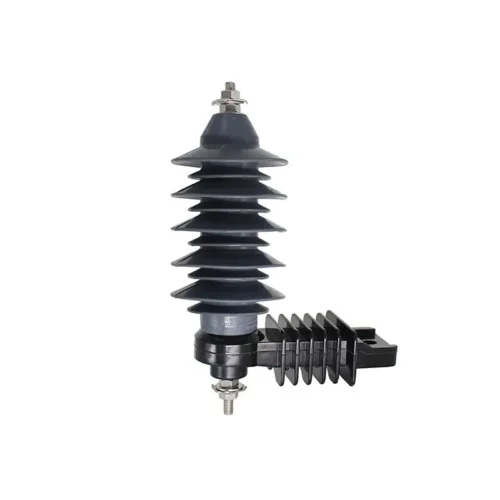
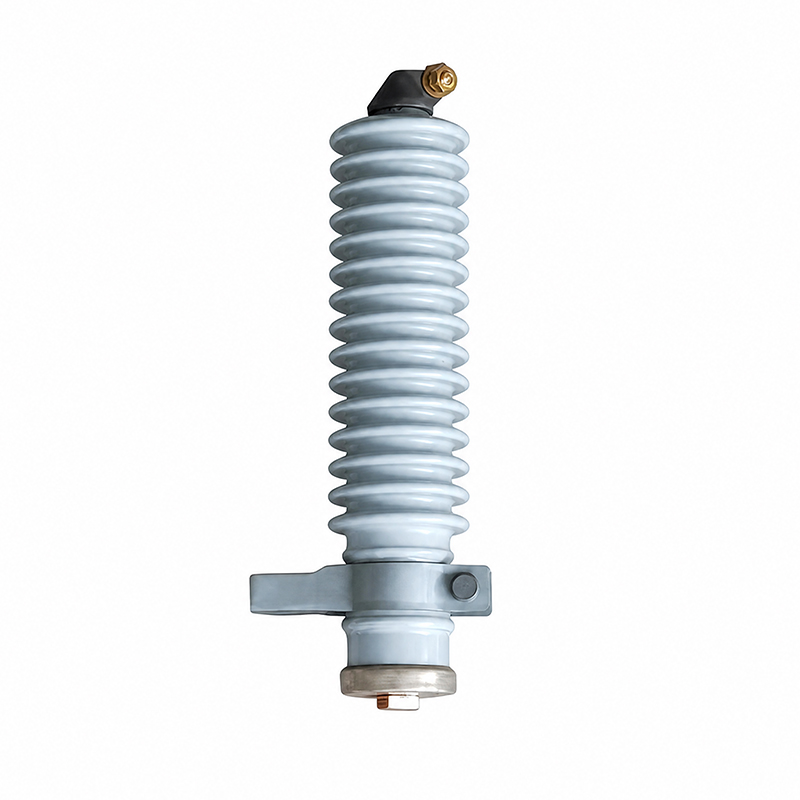
A surge arrester of 10kV is important in the protection of electrical systems in substations, distribution networks, and industrial installations. These transient overvoltages can cause serious damage to sensitive equipment when not controlled. In the present article, various ways of surge arrester diagnosis are presented along with some frequently encountered faults as well as basic solutions.
The Purpose of 10kV Surge Arresters
Surge arresters are the first in line to counter unexpected high voltage incidents. The ZnO varistors technology employed ensures that with voltage up to 10kV the surge arrester can react to all high voltage moments appropriately, safely routing them to the earth and bactericide from delivering harm to E. They are designed rigid enough to be capable of functioning outdoors, in some substations as well as on transmission lines.
Signs Your 10kV Surge Arrester May Be Failing
It is essential to promptly detect the initial signs of arresters failure to guarantee safety in operations. Some of the common symptoms of arresters faults are outlined below:
- Physical changes such as cracks, burn marks, or deformation in the housing.
- Unexpected noises, like buzzing or popping, indicating internal issues.
- Visible moisture inside the arrester, pointing to compromised insulation.
- Reduced insulation resistance during routine tests.
- Frequent actuation of protective devices like breakers or relays.
If these symptoms arise, immediate inspection is necessary to prevent further system failures.
Common Causes of Surge Arrester Damage
Knowing the causes of faults assists in both prevention of faults and in fault tracing. The topmost causes of faults are:
- Severe overvoltage events due to lightning or switching that exceed the arrester’s capacity.
- Materials begin to degrade under environmental stresses such as exposure to UV light, extreme temperatures, humidity and pollution.
- Poor installation practices, including bad electrical connections or incorrect mounting.
- Physical impact or vibration from nearby equipment.
- Manufacturing defects leading to premature failures.
Diagnostic Tests for Faulty Surge Arresters
Effective troubleshooting relies on the right diagnostic tests:
- Visual inspections for cracks, discoloration, or signs of arcing.
- Insulation resistance tests using a megohmmeter.
- Leakage current measurements, with abnormal increases indicating internal degradation.
- Thermal imaging to identify hot spots.
These tests help pinpoint whether an arrester needs repair or replacement.
Repair vs Replacement: Making the Right Call
The choice of repair or replacement of a faulty 10kV surge arrester is determined by the type of defect and severity of damage.
Minor problems that include loose and poor connections can be fixed by tightening and cleaning as per instructions explained by the manufacturer. However, the internal failures and major insulation failures usually require a new part to be installed in order to ensure a properly working device. It is important to consult expert engineers or manufacturers to find out what to do and what standards should be followed.
Maintenance Best Practices for Substations
Maintaining surge arresters consistently reduces downtime and extends their lifespan:
- Schedule regular inspections and electrical tests.
- Adapt maintenance frequency based on environmental conditions.
- Document all service, test results, and arrester age for asset tracking.
- Ensure staff are trained in identifying faults and performing diagnostics.
- Use quality, certified arresters for replacements.
These steps keep protection devices effective and limit the impact of unforeseen surges.
Frequently Asked Questions (FAQ)
What warning signs tell me my surge arrester is failing?
Identify the presence of cracks, burns, irregular sounds, presence of moisture, and dropped insulation resistance. Frequent tripping of protective electrical relays is an indicator of malfunctioning.
How do I perform basic diagnostics?
Insulation resistance testing and visual checks are the most widely available inspections. Thermal imaging and leakage current measurements are more complex techniques but significantly increase fault detection accuracy.
Should I repair or replace my surge arrester?
It is often possible to remedy problems. However, if there are any problems related to internal damage or aging - in particular, those problems concerning insulation or zinc oxide blocks - replacement is the best method to solve the issue.
Choosing the Right Surge Arrester
The appropriate voltage rating of a surge suppressor (for example, a 10kV or 15kV) combined with an appropriate discharge capacity and environmentally resistant casing guarantees the highest protection level. To obtain maximum efficiency, it is necessary to combine the appropriate specifications with the specific demands of the equipment.
Proper troubleshooting and maintenance are crucial in prolonging the operational period of your 10kV surge arrester, as well as maintaining reliable functioning of your substations and power networks. If you can identify the symptoms of failure, grasp the causes of damage, and follow appropriate procedures for diagnosis, it will enable you to act in time and avoid undesirable downtime. Achievable results depend on applying appropriate approaches for surge arresters' selection and maintenance.