+86 15657752999


0102030405
10kV Surge Arrester vs Lightning Arrester: What's the Difference?
2026-06-15
Protecting delicate electronic devices during unexpected electrical disturbances and from lightning strikes is essential in the electrical infrastructures industry. The most frequent form of protection against these two types of incidents are surge arresters (e.g., 10kV surge arresters) and lightning arresters (also known more commonly as "lightning rods"). Although both have very similar goals, it is very important to understand the differences between these two forms of protection, as this can make the difference between your equipment being functional for a long time or not.
Understanding Surge Arresters
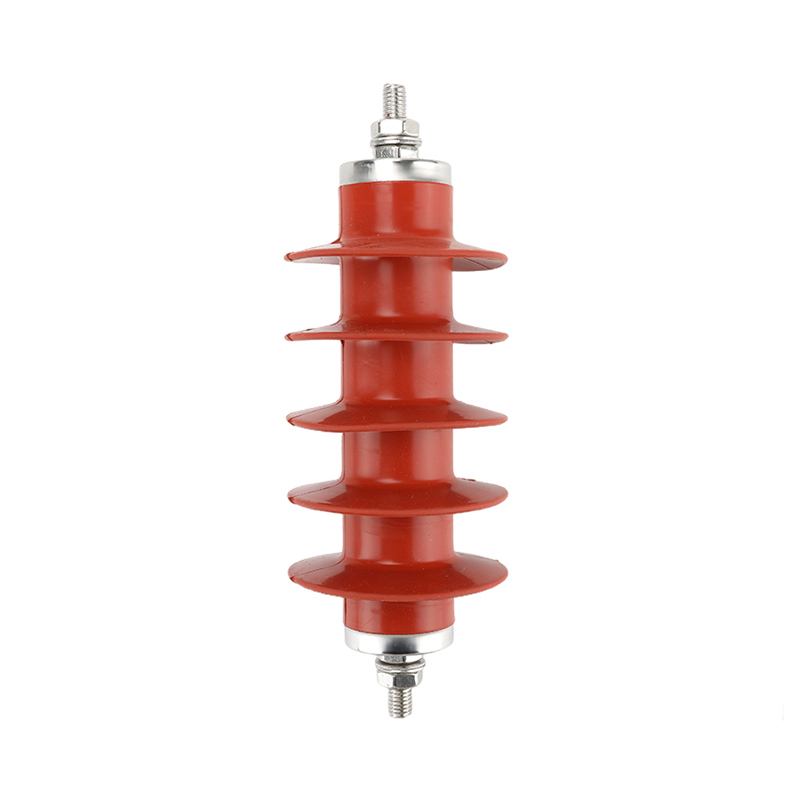
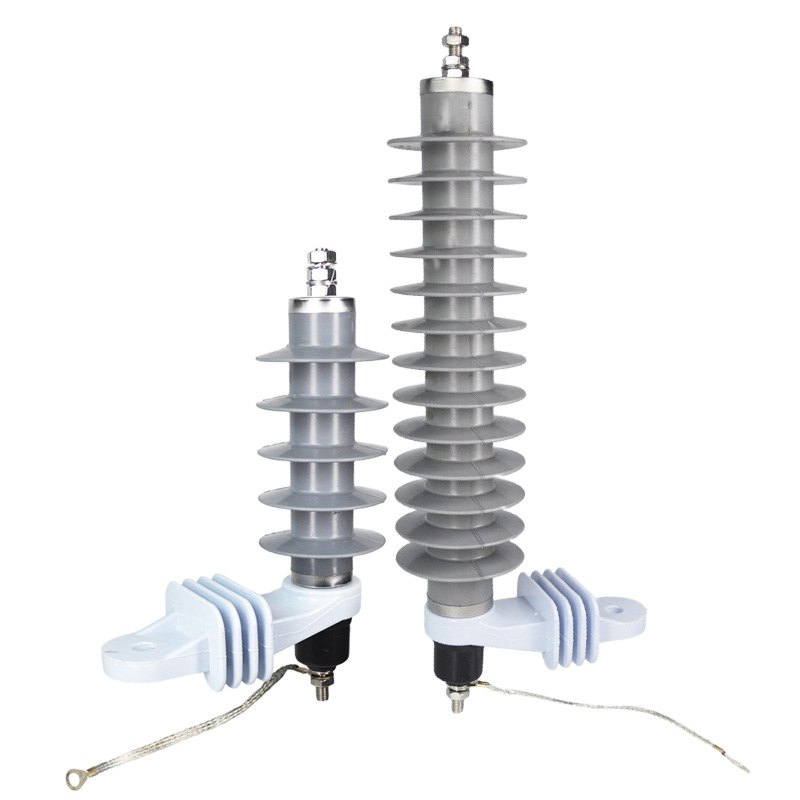
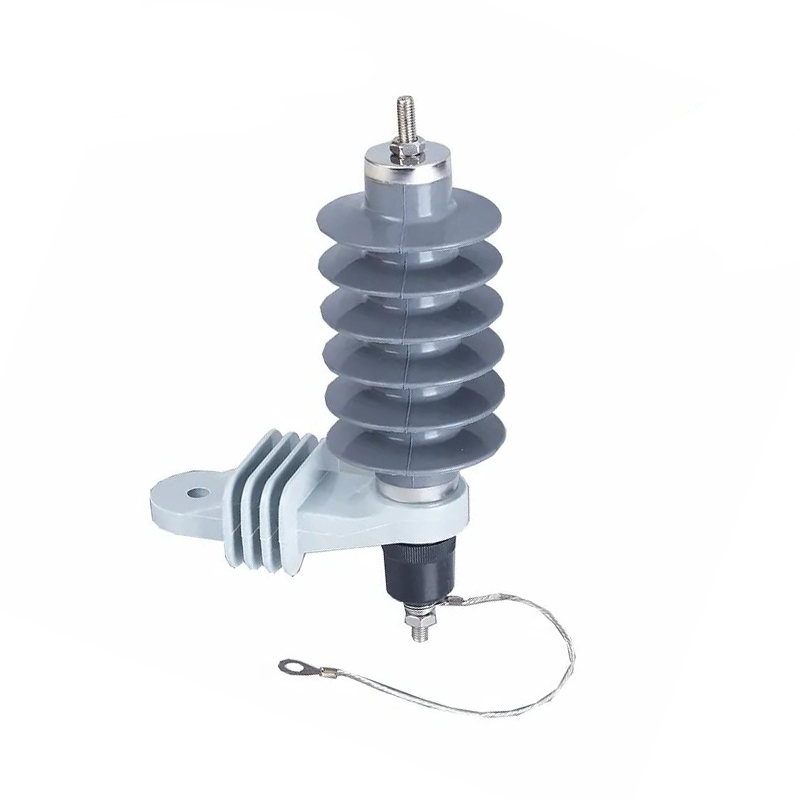
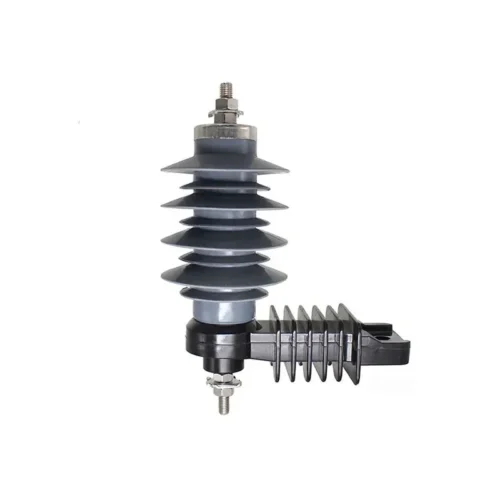
A surge arrester with a potential of ten thousand volts serves to limit voltage transients caused by switching action or fault conditions. Surge arresters are critical for protecting transformers, motors, and other electrical systems from high voltage surges. The main function of a surge arrester is to divert excess voltage to the ground, which protects the electrical products listed above.
Surge arresters are rated by volts or kV, meaning when the surge arrester has a 10kV rating, it will protect from up to 10,000 volts. Therefore, they are very reliable for industrial and commercial electrical systems containing high-voltage equipment.
What About Lightning Arresters?
Lightning arresters, also called lightning rods, are devices that prevent a structure or electrical system from sustaining damage from a direct lightning strike. A lightning arrestor creates a conductive pathway for the lightning strike (low-resistance path) to ground so that when lightning strikes (generates high current), it does not cause catastrophic damage to the structure or electrical system. Lightning arresters differ from surge arresters because lightning arresters prevent extreme voltage levels (biggest spikes) caused by a lightning event while surge arresters prevent transient voltage spikes (smaller spikes) caused by any type of electrical surge (e.g., power surges).
This equipment is installed at specific points on top of buildings and other structures so that they will collect lightning and transfer the energy into an underground grounding system for safe discharge.
Key Differences Between Surge Arresters and Lightning Arresters
Both devices were designed to protect against voltage spikes to an electrical system. However, they are utilized for very different needs:
1. Purpose: A 10kV surge arrester protects from many sources of high voltage (that could come from power systems), while lightning arresters only provide protection against direct lightning strikes.
2. Installation: Surge arrestors usually come as part of an electrical panel or are sometimes installed as a standalone device adjacent to electrical equipment. Lightning arrestors are typically found on rooftops or at high locations outside a building.
3. Voltage Ratings: Surge arresters are rated at a specific voltage; for example, a surge arrester may have a rating at 10kV. A lightning arrester is designed to protect against extremely high voltages due to a lightning event, which can exceed several millions of volts.
Common Questions about Surge and Lightning Arresters
To help explain the function and differences between these two types of safety devices more clearly, we'll answer some common questions:
Are lightning arrester and surge arrester the same?They are different. Lightning arresters stop a lightning strike hitting a building directly; whereas surge protectors stop lower-voltage electrical surges that come from other sources.
What is the difference between lightning protection and surge protection?While surge protection aims to reduce the impact of voltage transients from sources other than lightning, lightning protection specifically works to avoid damage from lightning strikes.
What is another name for a lightning arrestor?
Lightning arrestors are also known as lightning rods or lightning conductors.
Conclusion
Knowing the distinctions among a 10 kilovolt (kV) discharge surge protection and a lightning protection device is crucial for professionals in the field of electrical engineering, whether it be designing or maintaining an existing electric system. Choosing the right type of protection device for each application can prevent transient voltage over voltages as well as direct strikes from causing damage to your electrical infrastructure. Thus, this will increase both the performance and durability of all your electrical equipment.