+86 15657752999


0102030405
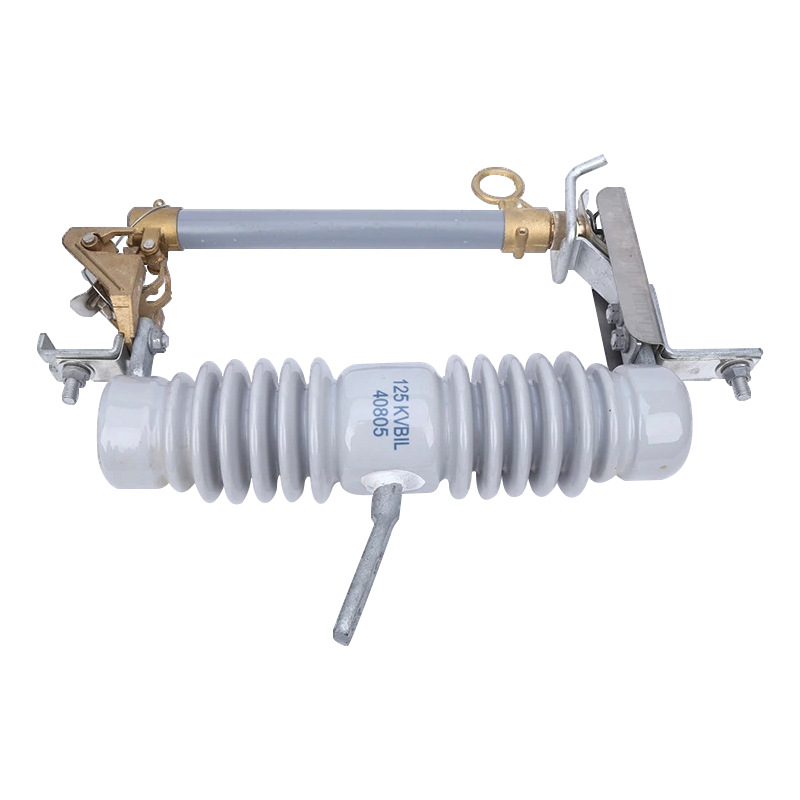
15kV Fuse Cut Out: Definition and Structure
2026-07-17
The fuse cutout rated 15kV is a key element of the electricity distribution system, providing safety from overcurrents and short circuits. The instrument performs disconnection of the circuit in case of malfunctioning, providing reliability. This apparatus is known for its operation in an overhead power distribution system. It possesses the automatic disconnect feature known as the drop-out option which ensures the disconnection of the circuit.
What Is a 15kV Fuse Cut Out?
The 15kV Fuse Cut Out is a protective device that incorporates overload protection, short circuit protection, and circuit isolation. The device is mainly used for protecting transformers and other upstream equipment. It provides protection from the damage occurring during faults by disconnecting the power supply when faults occur. The device works efficiently at voltages of around 15,000 volts.
Core Components of a 15kV Fuse Cut Out
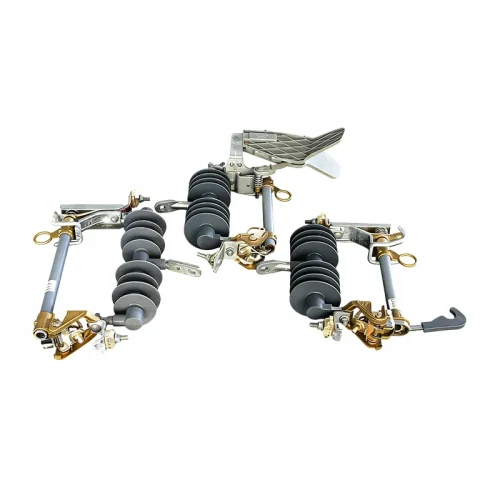
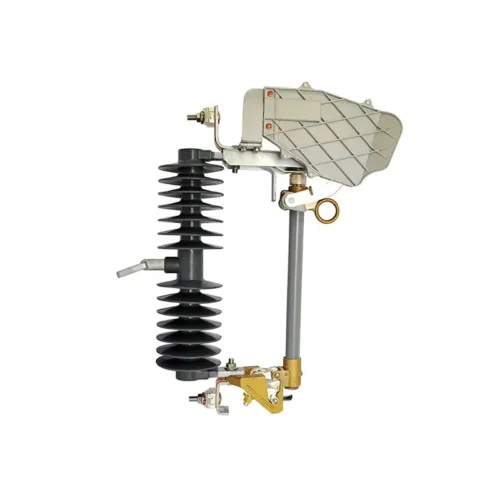
The structure of a 15kV Fuse Cut Out consists of several key components, including:
- Fuse Element: This is the main part that melts in case of overload, providing an identifiable point of disconnection.
- Cut Out Switch: This mechanism facilitates manual circuit disconnection post-fuse operation.
- Mounting Bracket: This secures the cut-out firmly to poles or other structures.
- Insulation Material: High dielectric insulators prevent electrical arcing and ensure safe operation.
Product Features
The 15kV Fuse Cut Out is designed with several notable features:
- Reliable Overcurrent Protection: The device offers dependable performance in safeguarding systems from overloads.
- Visible Indication of Breakage: The drop-out operation provides a clear, visual indication when the fuse has blown.
- Rugged Construction: The device is designed to counteract environmental and mechanical fatigue while guaranteeing durability and requiring little maintenance.
- Safe Operation and Isolation: Promotes secure handling and circuit isolation for maintenance and troubleshooting tasks.
How a 15kV Fuse Cut Out Works
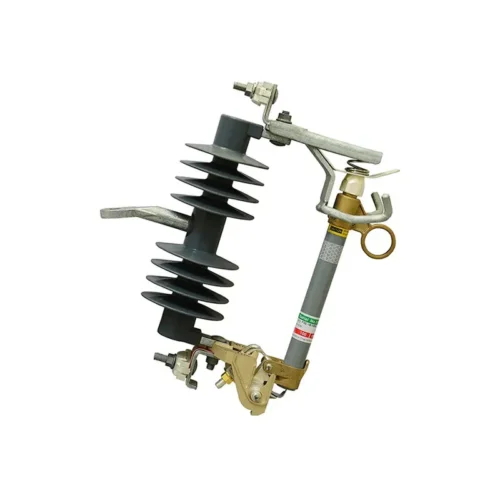
The functioning of a 15kV Fuse Cut Out is straightforward but highly efficient. During a fault, like a short circuit, the fuse element becomes damaged when there is a sudden spike in current. Once the element is damaged, the fuse tube falls off to create a visible gap thus interrupting the power supply. With this design, not only is overcurrent protection offered but safe maintenance and operations are also achieved.
Types of 15kV Fuse Cut Outs
There are various styles of 15kV Fuse Cut-Outs designed to meet different requirements and conditions.
- Standard Cut Out: Typically used on conventional overhead distribution lines.
- Fuse & Switch Combination: A dual function device that enhances utility and space efficiency.
- Remote-Controlled Cut Outs: Improve safety and efficiency by allowing remote operation and monitoring.
FAQs
Answering common queries can be valuable for better understanding:
What is the purpose of a fuse cut out? Its primary purpose is to protect electrical circuits by breaking the connection during faults.
How do I know when to replace a fuse cut out? Physical damage, signs of wear, or repeated operations are indications for replacement.
Are there maintenance steps for 15kV Fuse Cut Outs? Maintenance involves frequent checks, testing systems, cleaning and making sure insulation is done correctly.
Thus, it may be concluded that the 15kV Fuse Cut Out is a critically important component of electric utility infrastructure. With its protection features, such as reliable overcurrent protection, clear indication of break status, reliability, and safe use, the device guarantees proper supply of power. It is essential that specialists in the field have sufficient knowledge about the device and maintain it properly.