+86 15657752999


0102030405
Are Insulators High Dielectric Constant?
2026-03-30
When looking at insulators there is one term that frequently comes up: Dielectric Constant. So what is this word? Do they have a high dielectric constant by nature? This article discusses the relationship between Dielectric Constant and Insulators and also clarifies Dielectric Strength, Insulators Vs Dielectrics, etc. If you are interested in Polymer Insulators or Ceramic Insulators you are in the right place to learn about these.
The Dielectric Constant for Insulators
The Dielectric Constant (or relative permittivity) is a measure of the ability of a substance to store electrical charge as it is subjected to an electric field. More technically, it is a value that compares the amount a field is reduced in a specific material to that in a vacuum thus helping to define performance enhancements for electrical components such as Capacitors using Dielectric material.
So even though ALL Insulators don't conduct electricity well, not all Insulators have high Dielectric Constants. Some examples are:
- Glass: Considered to be a high Dielectric constant insulator; therefore, it makes a great electrical Dielectric.
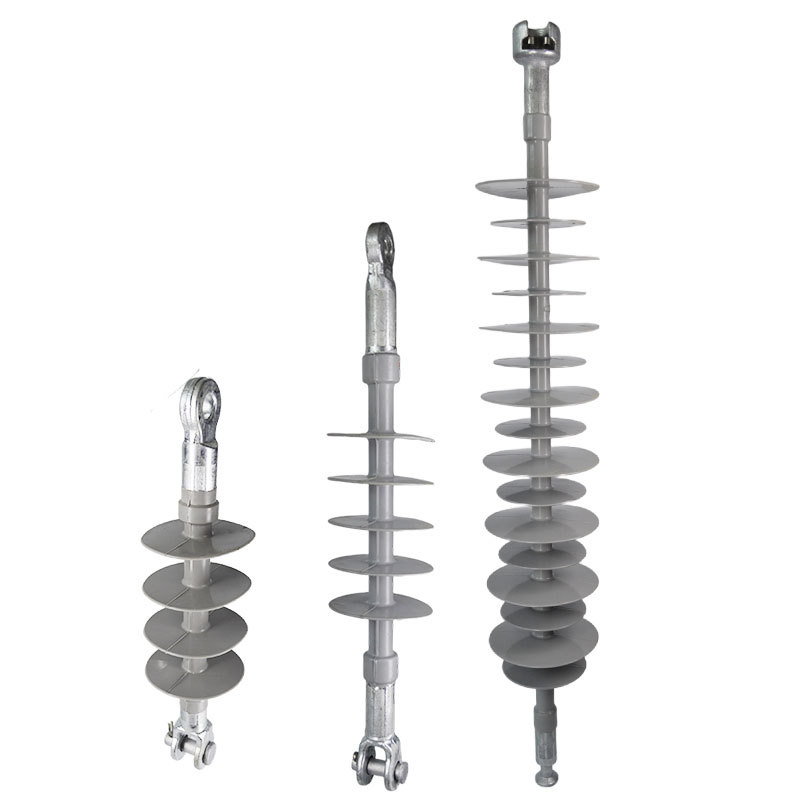
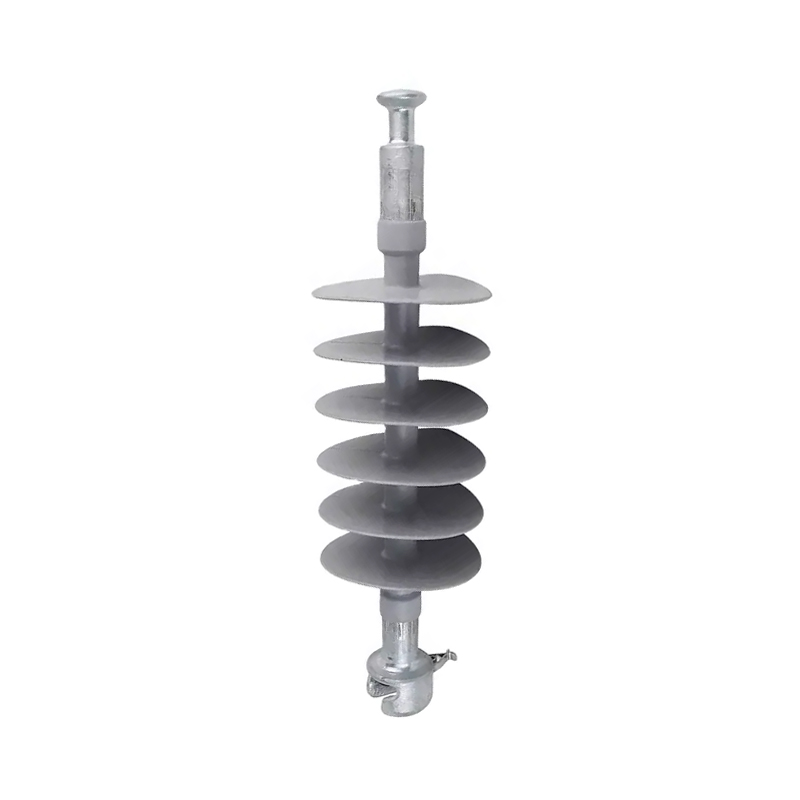
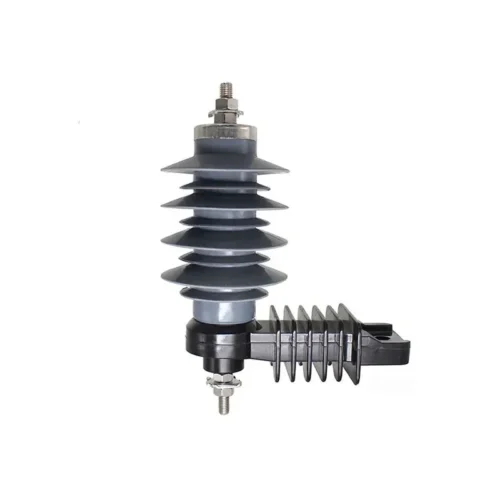
- Polymer Insulators: Although many polymers are flexible and durable making them popular for use in Electrical Systems, they typically have low to moderate Dielectric Constants but can still be used successfully since they can match the needs of the electrical system being used.
- Ceramic Insulators: Ceramics can have both high Dielectric Constants along with other exceptional properties making them ideal for Industrial Applications.
If you are trying to determine if an Insulator has a high or low Dielectric Constant, you'll need to check out its material makeup and what it was manufactured for. In general, the focus for dielectrics used in high-voltage applications or capacitors will be to have a dielectric constant as high as possible.
Do All Insulators Have High Dielectric Strength?
Dielectric strength represents a maximum value of electric field that material can tolerate without breakdown, i.e., it will still remain as a good insulator. Dielectric strength is not the same as dielectric constant, because dielectric constant is a measure of how much charge can be stored.
Most insulators exhibit high dielectric strength due to the fact their primary function is to inhibit flow of electric current; however, the dielectric strength of an insulator will vary based on the type of insulation material used:
- Rubber Insulators: Rubber is an excellent insulator with a high dielectric strength and therefore well suited for low-voltage applications.
- Paper Insulators: Paper insulators are mostly used in older electrical systems and often require additional treatment to have reasonable dielectric strength.
- Polymer Insulators: Recently becoming more popular than both rubber and paper due to their excellent combination of high dielectric strength, long service life and resistance to high temperature or harsh environment conditions.
Why Don’t All Insulators Qualify as Dielectrics?
It is also important to understand that all dielectrics are insulators; however, not all insulators can be classified as dielectrics because insulators are typically used for the following reasons:
Dielectric: A dielectric is simply a material that will store electric charge. Typically, dielectrics are utilized when an external electric field needs to be maintained or manipulated, such as in capacitors or power line transmission.
Insulator: An insulation material will limit the transmission of electric current, therefore preventing it from flowing through the insulating material. They prevent short circuits and guarantee safety by segregating conductors from one another or from ground.
For example: wood is a good insulator but not a good dielectric because electricity does not hold in the insulator for long times at all.
Uses and the Manufacturing Industry
Materials with the right dielectric rate can be applied to many different categories. Here are a few examples:
- Electrical transmission at high voltages: High-voltage power lines need ceramic or polymer materials as their insulating material both for safety and long-lasting damage prevention.
- Electronic components: Capacitors are commonly used to help maximize both utility of energy through electrical storage, while also being efficient in regards to their use of energy.
- Consumer electronic devices: Utilized for insulating casings and connectors with low dielectric properties are usually plastic polymers.
Regardless of how you are evaluating materials to be used, it is always critical to compare common features such as dielectric constant, dielectric strength and suitability to the application when performing the evaluation. The insulator type you select will affect the performance, along with the safety and cost efficiency of your products.
FAQ - Frequently Asked Questions on Dielectrics and Insulators
Dielectric Constant for Insulators
Each type of insulator will have a different dielectric constant due to the composition of material used. The range is typically between 2-10 for common synthetic polymers; although, higher than 10 range is available for special use ceramics and glasses.
Insulators with High Dielectric Strength
Yes, generally speaking, insulators possess a high dielectric strength for the insulation material to fulfill its requirement as a non-conductive material; however, the particular level of strength will vary by certain types as not all materials have an identical dielectric strength.
Dielectrics vs Insulators
All dielectrics are insulators, but not all insulators were manufactured for storing electrical charges. Rubber and wood are excellent insulators, but they do not possess the qualities needed for dielectric use (such as in capacitors).
These issues demonstrate that the specific characteristics of materials must be evaluated prior to their intended application to ensure suitability to your specific application.
Conclusion
While not all insulators have a high dielectric, the ones typically chosen will because of their nature. In making materials for electrical uses, it is important to consider both dielectric constant and dielectric strength when selecting materials for electronic applications. By knowing how to define dielectric materials from insulator materials makes certain that you are utilizing the best materials for the intended use from power transmission to highly advanced electronics. Regardless of whether working with polymer or ceramic insulators, or another type of insulator, the selection process will determine how to get maximum performance and safety from the system. Reach out to your specific materials or to industry sources for more thorough information.