+86 15657752999


0102030405
Benefits of Polymeric Insulators Explained
2026-08-03
In recent years, the use of polymeric insulators has transformed the operation of overhead power lines and equipment in the electronics field. This innovation has provided a range of benefits that outdo traditional insulators. In this article, we plan to review the benefits of polymeric insulators, their fields of application, and the comparison between these insulators and the previously used ceramic and glass insulator types.
What Are Polymeric Insulators?
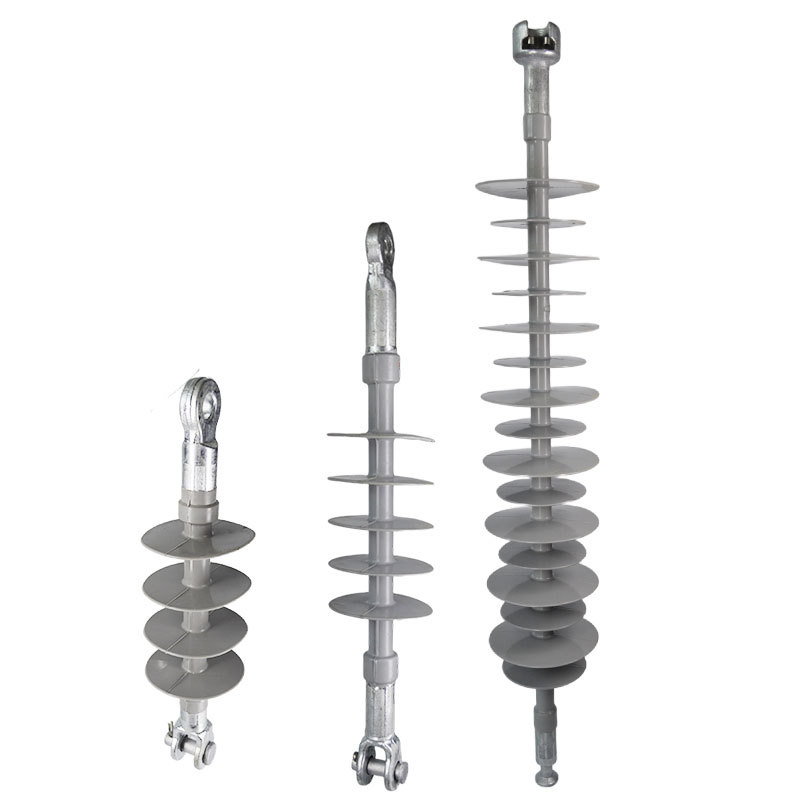
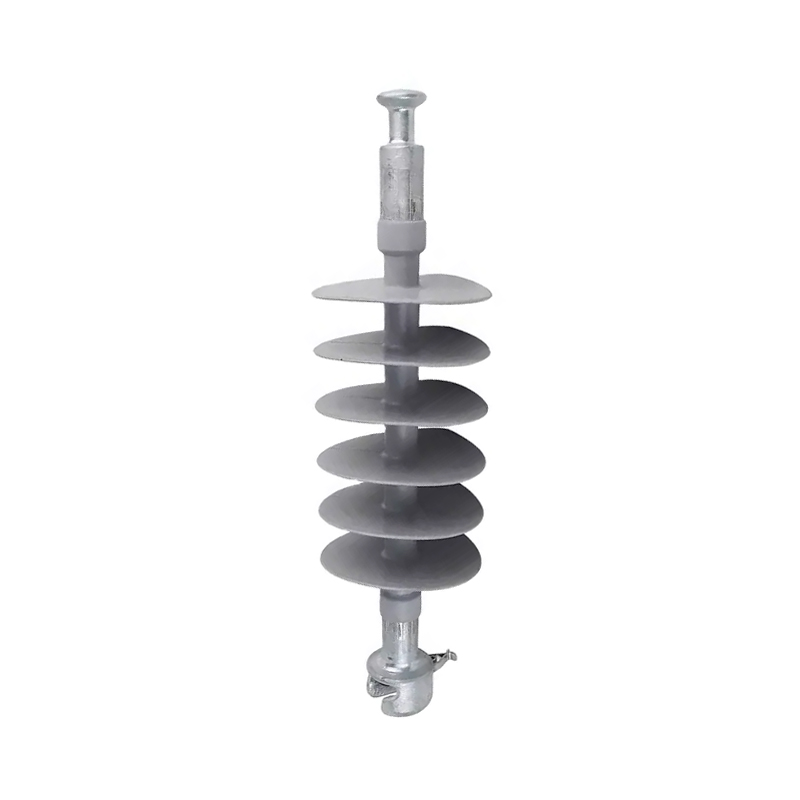
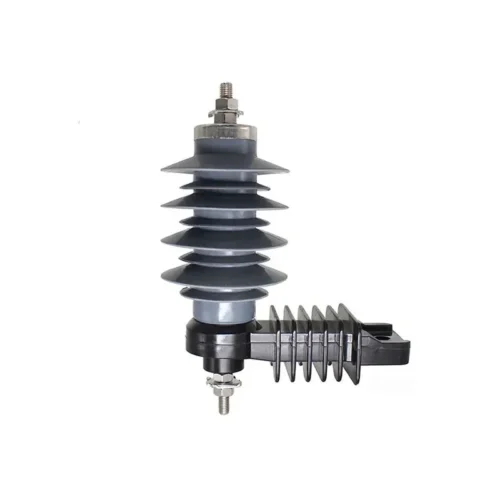
Polymeric insulators are electrical insulation components from polymer material that function effectively at high voltages and environments. They can be used in medium to high voltage applications, like 33kV polymer suspension insulator and polymer pin type insulator. They are lightweight materials ideal for many applications, including power transmission and distribution.
Key Benefits of Polymeric Insulators
The adoption of polymeric insulators in electrical applications brings several key benefits:
1. Superior Hydrophobicity: Thanks to their excellent hydrophobic qualities, polymers serve to protect the insulators from absorbing water, thus lowering the risk of electrical tracking or blackout.
2. Lightweight and Robust: Polymeric insulators are remarkably lightweight as well as durable, which simplifies installation and eliminates the requirement for extra reinforcement. In addition, the unique design ensures that the insulators are heavily resistant to vandalism and offer superior safety.
3. Excellent Anti-Pollution and UV Resistance: These insulators are renowned for their excellent durability against pollution and UV rays, thus providing normal functioning under harsh environmental conditions.
4. Live Line Maintenance Capability: The special feature of polymer insulators is that they can be serviced live. This reduces the time of interruption in operation.
5. Long Service Life: Polymeric substances have outstanding longevity and durability, allowing them to be very reliable and require less upkeep.
Polymeric vs. Ceramic and Glass Insulators
The evaluation of the various types of insulators including that made of ceramics or glass indicates that although each has its strengths and weaknesses, the main advantages of ceramic insulators lie in their capacity to withstand mechanical stress. Nevertheless, ceramic insulators are quite heavy and are prone to breakage. As for glass insulators, they provide good visibility for inspection purposes, but still, they have issues with weight. In comparison, polymeric insulators combine the benefits of lightweight insulators along with such advantages as durability and cost-effectiveness.
Common Applications of Polymeric Insulators
Polymeric insulators are used in various applications across the electrical industry:
- Power Transmission Lines: Due to their lightweight and resistant features, polymeric insulators are suitable to be made use of in overhead transmission lines, especially in areas affected by bad weather conditions.
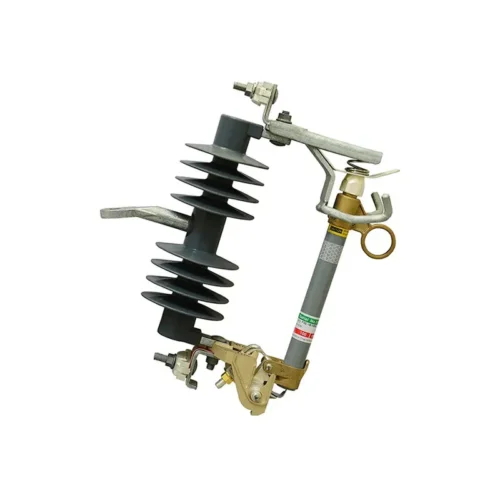
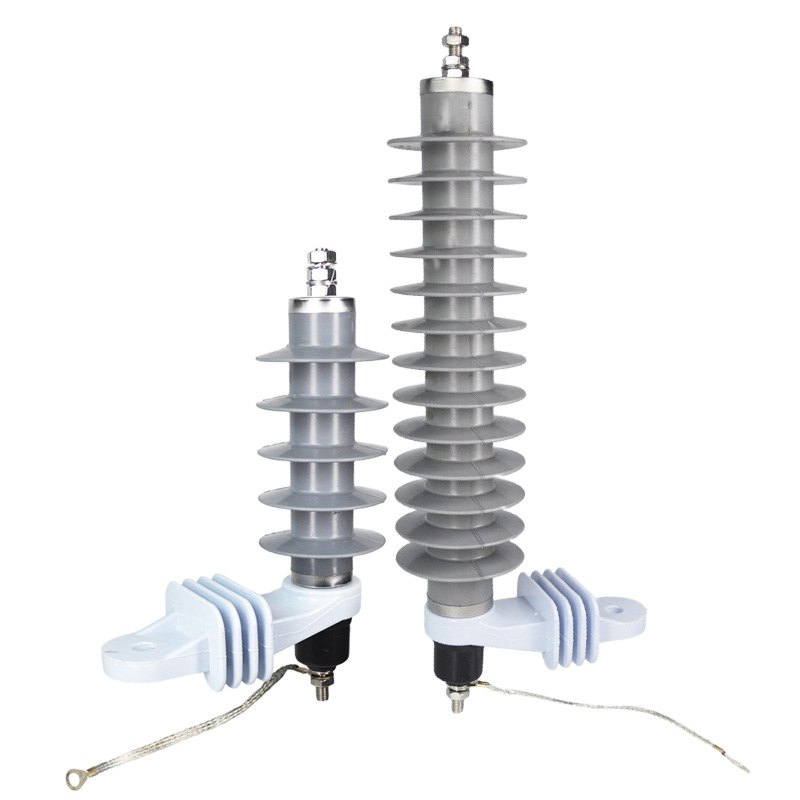
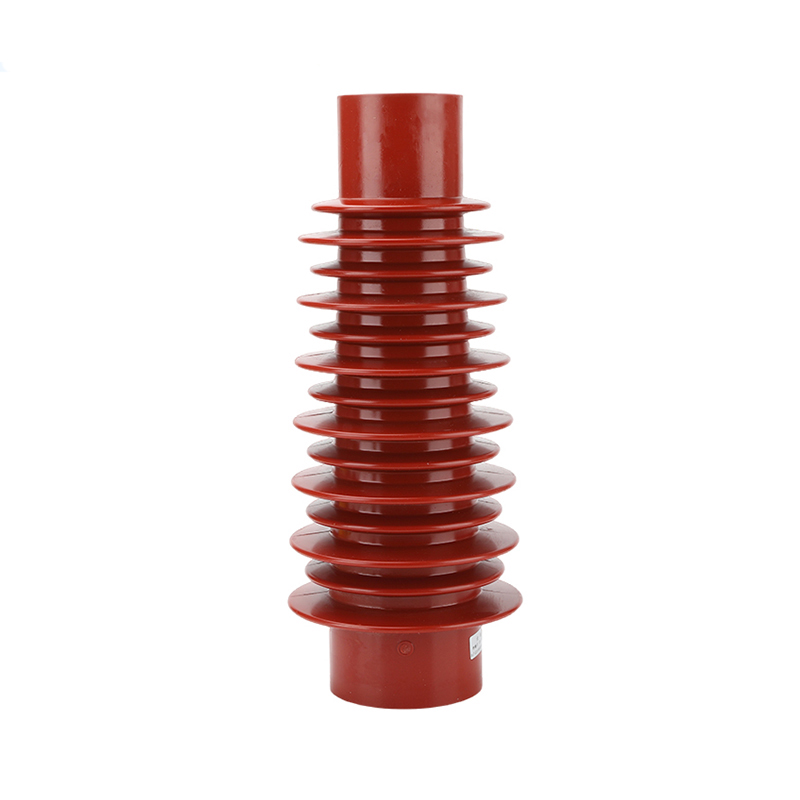
- Substations: Polymeric insulators manage voltages in substations safely and effectively, providing protection to the infrastructure.
- Railroads and Traction Systems: Polymeric insulators are also used to insulate rails, ensuring safety even under harsh conditions.
Conclusion
To sum up, the benefits of polymeric insulators include their excellent hydrophobility, lightweight nature, robust structure, and excellent resistance to contamination and ultraviolet rays. The ability to be serviced while live, and the long service life of polymeric insulators make them necessary components in contemporary electrical systems. With the advancement of the electrical industry, the advantages of using polymeric insulators will become more obvious.