+86 15657752999

0102030405
Can an Earthing and Lightning Arrester Be Connected Together?
2026-04-06
If you protect electrical equipment, you have likely asked this question. The short answer is yes earthing and a lightning arrester must be connected together. A lightning arrester diverts high-voltage surges, like lightning strikes, safely to the ground. Without proper earthing, the surge has nowhere to go. This article explains how they work together, why they cannot function separately, and what you need to keep your system safe.
First, What Does a Lightning Arrester Do?
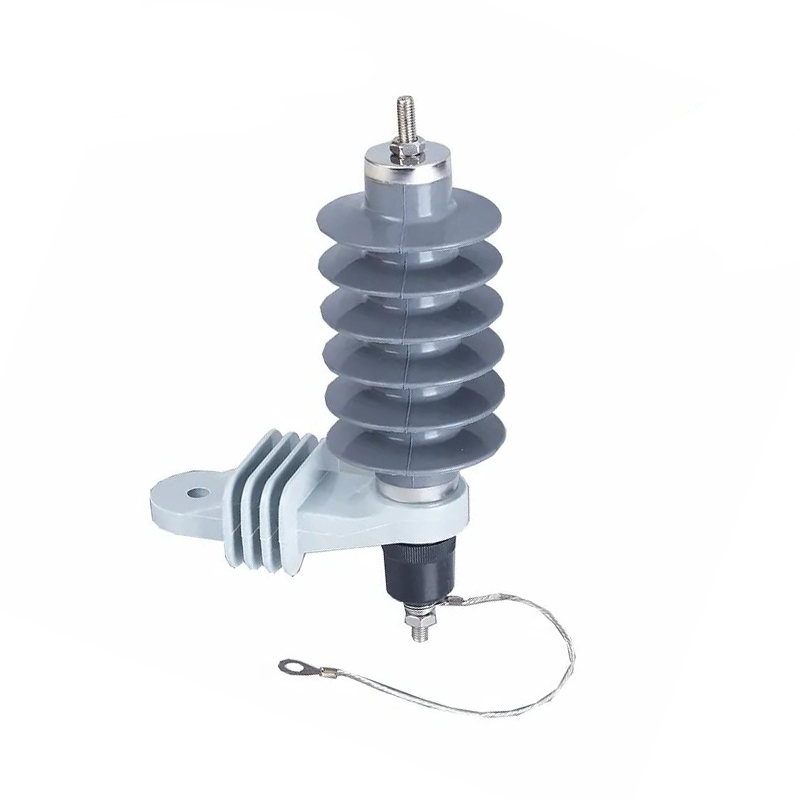
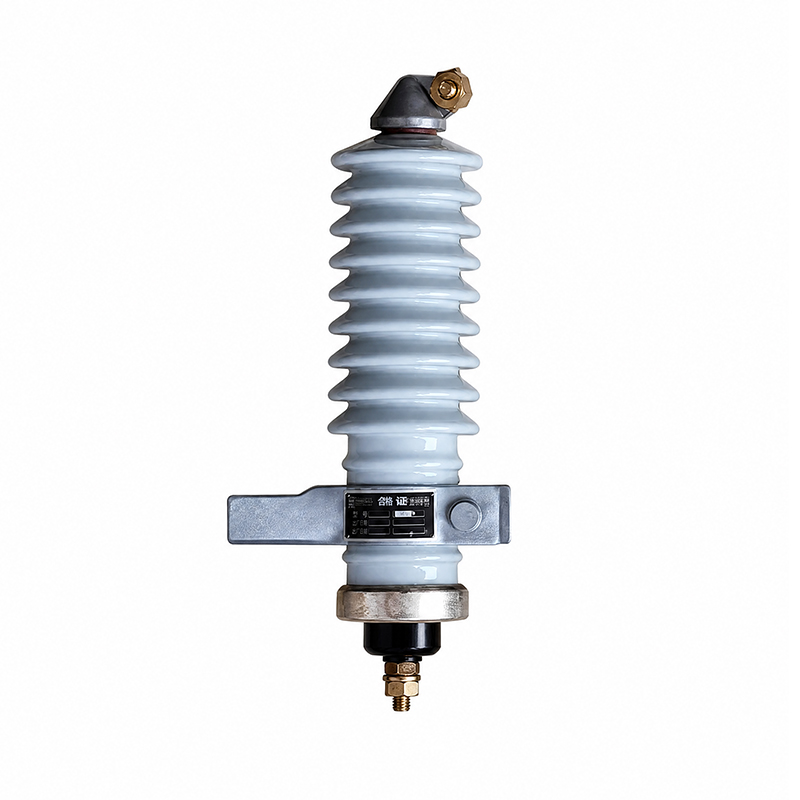
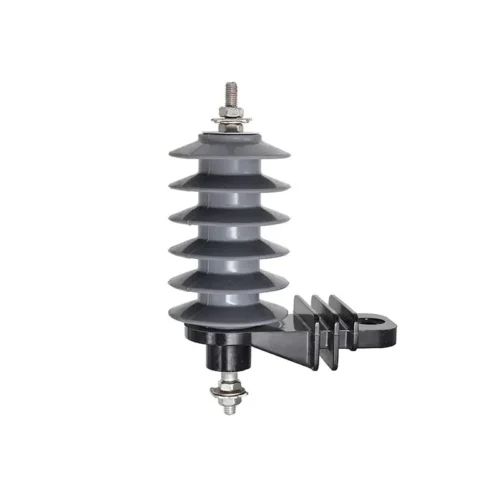
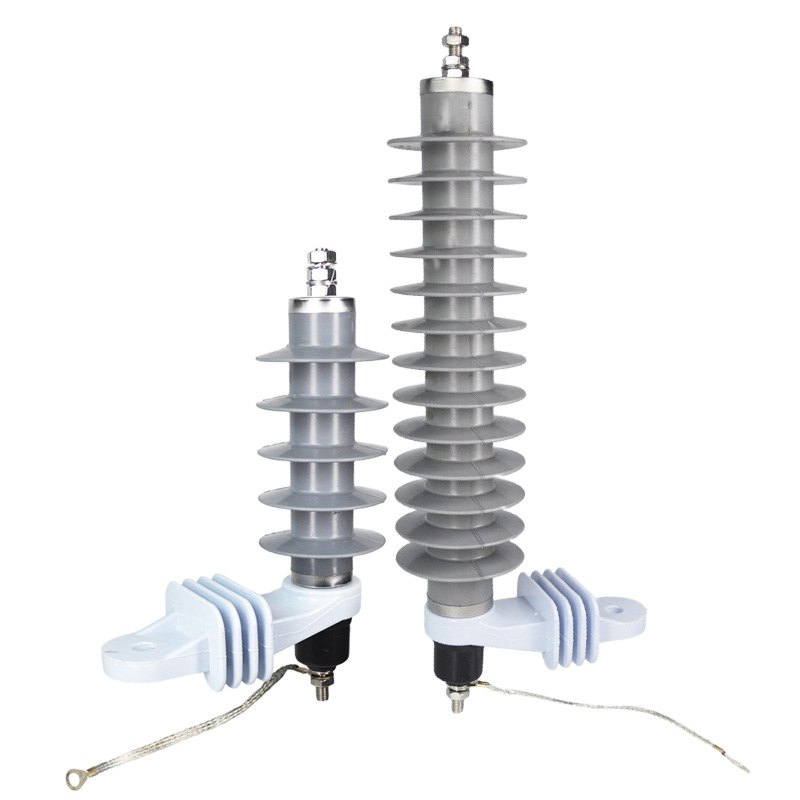
A lightning arrester is a device installed on power lines, transformers, or electrical panels. Its job is simple: when a voltage surge occurs like a lightning strike or switching transient the arrester conducts that excess energy to the ground. This protects connected equipment from overheating, arcing, or complete failure.
But here is the catch: a lightning arrester can only do its job if there is a low-resistance path to the earth. That path is your earthing system.
Why Earthing Is Required for a Lightning Arrester
Earthing, also known as grounding, provides that safe path. Without it, the surge energy has nowhere to go. It may jump to nearby metal parts, damage insulation, or destroy sensitive electronics. In some cases, it can even cause a fire or injure someone nearby.
So when someone asks, "Can an earthing and lightning arrester be connected together?" the real answer is: they must be connected. The arrester is useless without a proper earth connection.
How They Are Connected Together
In practice, the lightning arrester is connected to the electrical system on one side and to the earthing system on the other. The connection is typically made using a copper conductor of adequate size. This conductor runs from the arrester's ground terminal to the main earthing bar or directly to an earth electrode, such as a ground rod.
Here are a few important rules for that connection:
●Use a short, straight path:Bends or long runs add impedance, reducing effectiveness.
●Avoid sharp bends:Surges prefer straight conductors.
●Keep the conductor away from sensitive circuits:Surge current can induce voltage into nearby wires.
●Use proper bonding:All earth electrodes should be bonded together to form a single reference point.
Common Mistakes to Avoid
Even when a lightning arrester is connected to earthing, mistakes can happen. Here are a few to watch for:
1.Separate earth rods:Some people install a separate earth rod just for the arrester. This is usually a bad idea. It can create a difference in potential between the arrester ground and the system ground, leading to flashover or equipment damage. Always bond all earth rods together.
2.Undersized conductors:A thin wire cannot carry the full surge current. Use the conductor size specified by local codes or engineering standards.
3.Corroded connections:Over time, connections can loosen or corrode. A bad connection may open the path right when you need it most. Regular inspection is important.
4.Ignoring soil conditions:Dry, rocky, or sandy soil has higher resistance. In such cases, additional ground rods or soil treatment may be needed to achieve a low-resistance earth.
Where This Applies Most
This question about connecting earthing and a lightning arrester is not just academic. It applies to real-world situations:
●Residential buildings with rooftop lightning protection
●Industrial plants with outdoor electrical equipment
●Solar farms and wind turbines
●Telecommunication towers and base stations
●Data centers that cannot tolerate voltage surges
In all these cases, the principle is the same: a lightning arrester protects only when paired with a proper earthing system.
Practical Advice for Buyers and Installers
If you are selecting or installing a lightning arrester, keep these points in mind:
●Check your existing earthing system before adding an arrester. If your ground resistance is too high, the arrester may not perform as expected.
●Choose the right arrester class:Type 1 arresters handle direct lightning strikes; Type 2 arresters handle switching surges. Your earthing requirements may differ slightly between them.
●Follow local codes:Standards like IEC 62305 or NFPA 780 provide detailed guidance on earthing and arrester connections.
●Test after installation:Use an earth resistance tester to verify that the path is low enough for effective surge diversion.
Summary
Earthing and a lightning arrester must be connected together. The arrester has no value without a reliable earth path. The connection should be short, direct, and use adequate conductors. All earth electrodes must be bonded to avoid dangerous voltage differences. Understanding this helps you protect your system. If unsure, have a qualified professional test your earthing and verify connections. A small investment now can prevent larger losses later.