+86 15657752999


0102030405
Comprehensive Guide to Drop Out Fuses and Fuse Links
2026-03-31
Electrical utilities, as well as large-scale electricity distribution systems, are dependent upon safety devices to keep them functioning properly. One of those devices is the Drop Out Fuse. In this article you will learn about the characteristics of Drop Out Fuses, how they operate within electrical distribution systems, use of fuse links, and find answers to frequently asked questions from potential consumers. Whether you represent the engineering side of the industry, utility providers or suppliers of equipment, knowing how these items function is essential for assurance of safe and reliable use of electrical power.
What is a Drop Out Fuse?
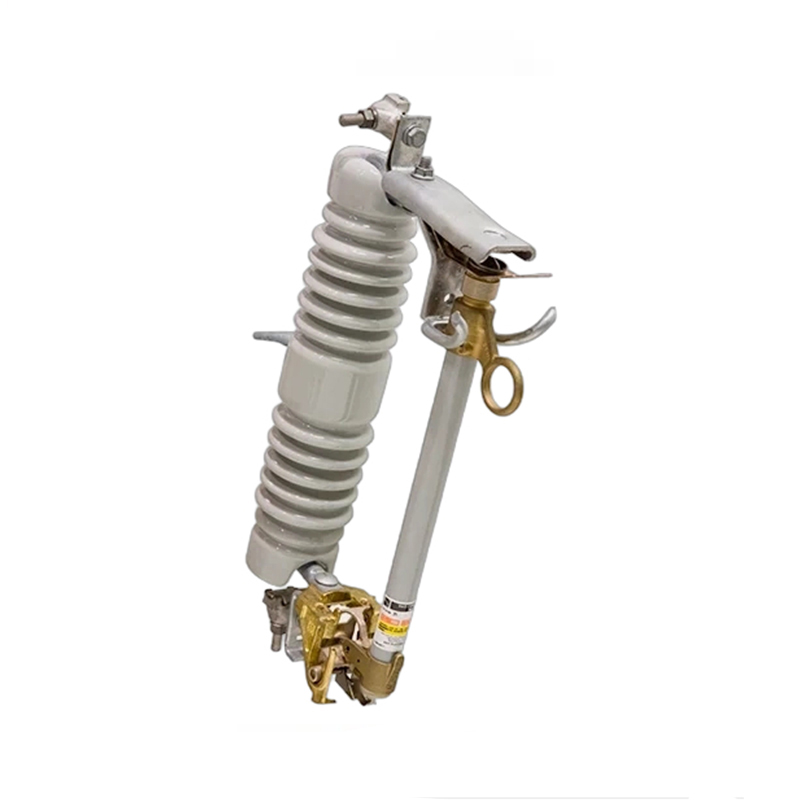
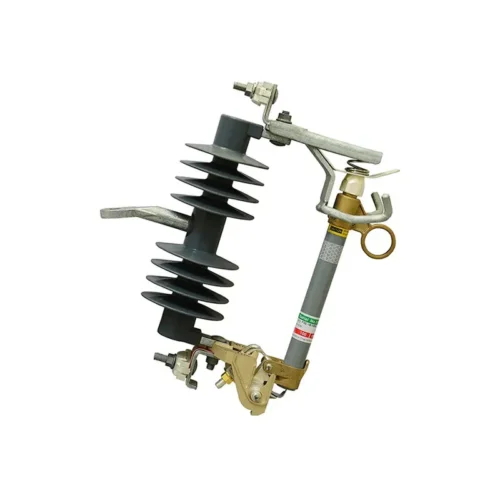
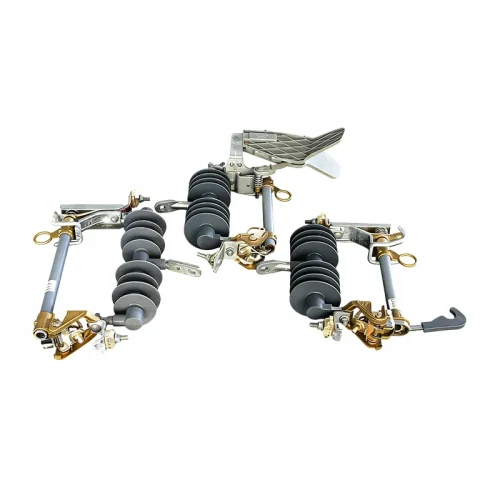
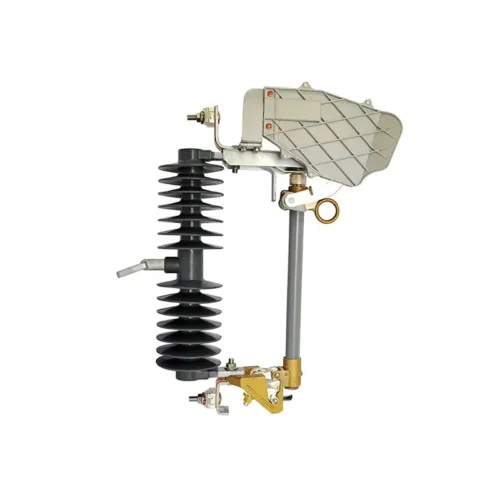
A Drop Out Fuse or Fuse Cut Out protects electrical distribution systems through overhead distribution structures. The Drop Out protects both the distribution equipment by protecting the electrical circuits when there is over-current or short-circuited, therefore, making this a must have in medium and high-voltage electrical distribution systems where there is a need to protect transformers, conductors, and other connecting equipment.
“Drop Out” is named after the mechanics of operation. When the fuse is melted due to a fault condition the fuse holder (or barrel) drops out to create a visible open-circuit. The visual verification of fault location in a big external circuit is very helpful for determining the point of failure of a large outdoor network.
Key Features of Drop Out Fuses
- Overload Protection: Disconnecting the failed section from the line by the operation of a switch due to an excessive current either in the event of overload or short circuit.
- Visible Switching Operation: Instantaneous visual verification of the operation of the Drop Out Fuse is provided to line workers upon the falling of the fuse mechanism.
- High Reliability: Able to withstand severe environmental conditions such as, but not limited to, extreme weather, violent electrical storms, and lightning strikes.
- A Variety of Fuse Links: A drop out fuse can be equipped with several different types of fuse links in order to accommodate different load uses, as well as to facilitate installation and provide an appropriate level of safety.
What is a Fuse Link?
Fuse Link - Refers to the replaceable portion of the Drop Out Fuse. It is the component that melts and breaks the circuit when a fault occurs. The design of these fuse links will allow them to blow at a predetermined current level for the specified application, and they will offer individual protection based on system needs.
Types of Fuse Links
- Expulsion Fuse Links: These operate by expelling ionized gas so that the arc can be extinguished.
- Current Limiting Fuse Links: These limit the size of the fault current to protect equipment from damage during short circuit conditions.
What is the Difference Between a Fuse and a Fuse Link?
In answering the question: What is the difference between a fuse and a fuse link, the terms are often used interchangeably. However, they have different meanings. A “fuse” is a complete unit or assembly which may contain the following:
- Housing: The external casing protecting internal components.
- Terminals: The connecting points for the circuitry.
- Fuse Link: This is the replaceable item that provides the overcurrent protection.
For example, in the case of a Drop Out Fuse, the word “fuse” refers to the entire unit mounted on the overhead line while the fuse link refers to the part of the Drop Out Fuse that is replaced and will blow in case of a fault.
Can You Put a Fuse in Place of a Fusible Link?
Because of the differences in the way these items function, it is not appropriate to replace a fuse link with a standard fuse. Typically, fusible links are utilized in circuits which require a delayed reaction to overcurrent while standard fuses provide instantaneous action. It is important to always use the manufacturer’s recommended fuse link (with an appropriate current rating and time characteristics) when replacing a fuse link for a Drop Out Fuse. Before making any replacements on electrical equipment, always check the manufacturer’s specifications for that equipment.
Why Use Drop Out Fuses with Fuse Links?
Selecting the appropriate Electrical Protection Embedded Solution has major impacts on Safety, Efficiency, and Operating Costs. When considering Drop Out Fuses, there are several justifications to consider:
- Durability: Designed for use in some of the most extreme service environments and applications.
- Ease of Maintenance: The drop-out mechanism and replaceable fuse link simplify regular maintenance activities.
- Cost-Effective: Reducing Equipment Damage and Lost Production from Equipment Failure helps contain overall system costs; therefore providing a Cost Saving over the long-term.
Applications for Drop-Out Fuses
Drop-Out Fuses can be used in many different applications across many different industries; such as:
- Overhead Electric Distribution Systems for Utilities
- Industrial and Commercial Power Systems
- Rural Electric Cooperatives
- Renewable Energy (Solar and Wind) Systems
Frequently Asked Questions (FAQs)
What is a Drop-Out Fuse?
A Drop-Out Fuse is an electrical protective device that is used on overhead electrical networks to interrupt a circuit in the event of an overload or short-circuit event and assist in protecting equipment by preventing damage to critical pieces of equipment.
What is the Difference Between a Fuse & Fuse Link?
A Fuse is the complete assembly of electrical protection, while a Fuse Link is the replaceable component inside the Fuse responsible for providing overcurrent protection during short-circuit and overload conditions.
Can I Use a Fuse Instead of a Fuse Link?
No, standard Fuses are not to be used as replacements for Fuse Links. Both devices serve different applications and are designed for particular uses. Always confirm compatibility with the manufacturer when replacing either type of device.
When you understand these essential subjects; you will be able to make informed decisions regarding the safe and efficient operation of your electrical systems.
Conclusion
The Drop-Out Fuse with the replaceable fuse link is an invaluable component of the electrical distribution system for overhead electrical networks. The Drop-Out Fuse is recognized for its reliability, cost-effectiveness, and increased safety; making it an effective solution for a broad variety of applications, including; utilities, industrial/commercial, and renewable energy systems. Having informed knowledge about the operational features of the Drop-Out Fuse, along with the Selection Process leads to making well-informed decisions regarding the performance of our electrical systems. Consult with someone in the industry and be sure to use quality products that meet your specific requirements.