+86 15657752999


0102030405
Do I Need a Lightning Arrestor?
2026-03-25
Lightning is one of nature’s most unpredictable and destructive forces; it can cause significant destruction to structures, electrical systems, and personal safety. If you’re worried about lightning strikes and want to know whether or not you need a lightning arrestor, this article will give you an overview of lightning protection, explain what a lightning arrestor does, and help you determine whether lightning protection would be worth the investment for you.
What is a Lightning Arrestor?
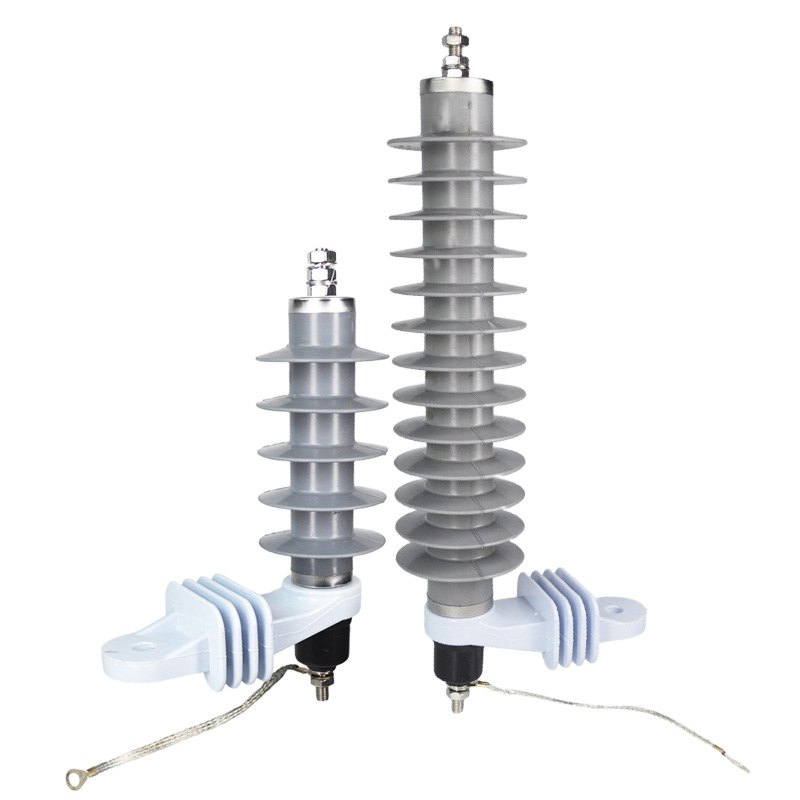
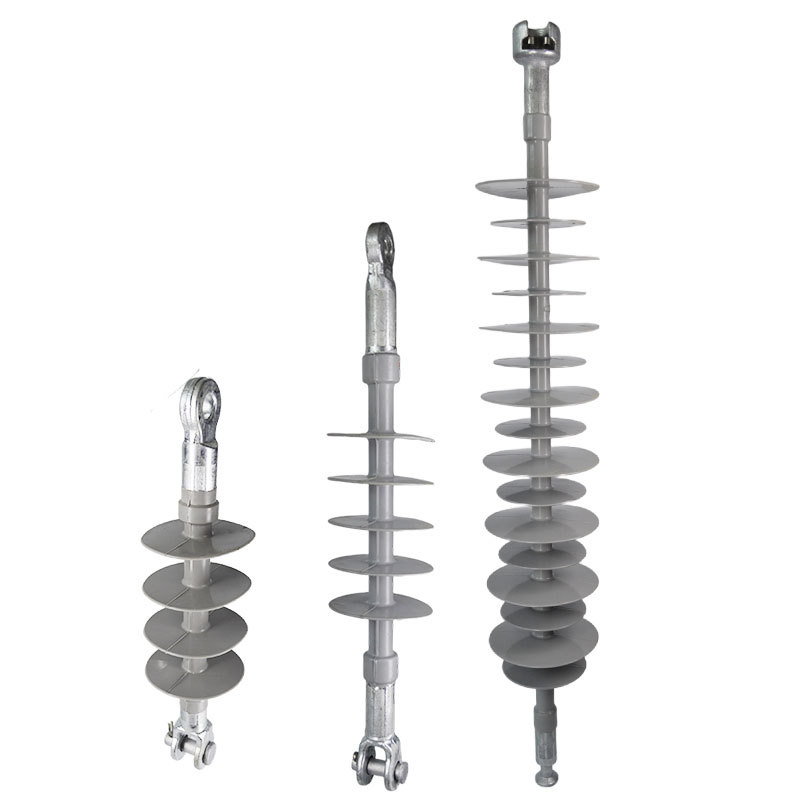
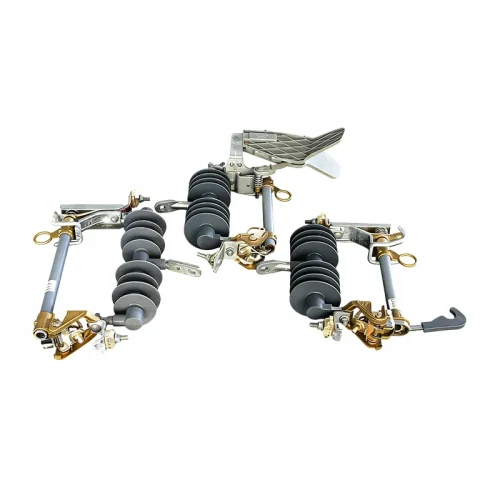
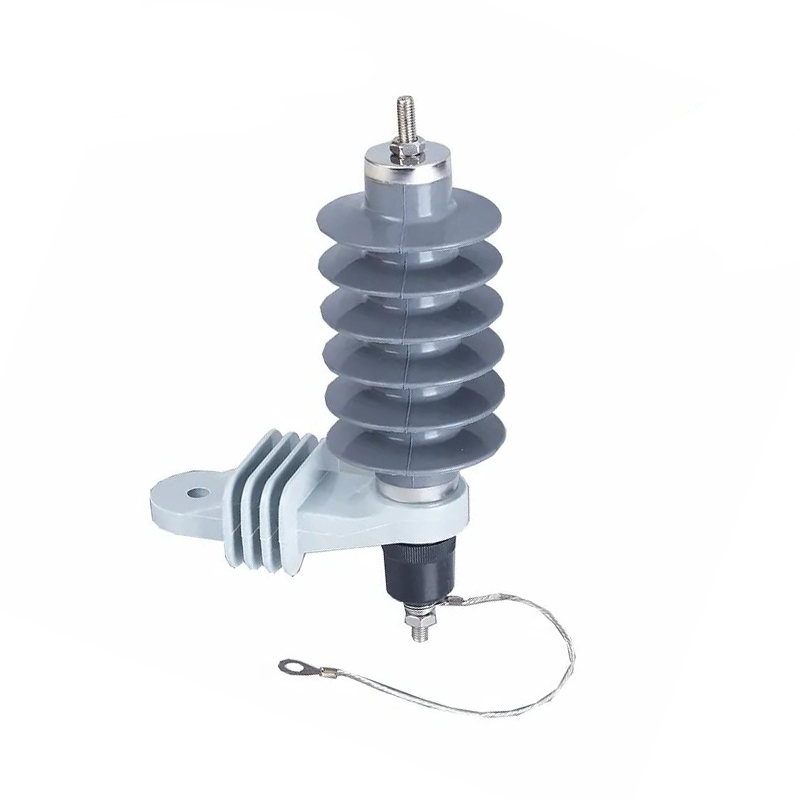
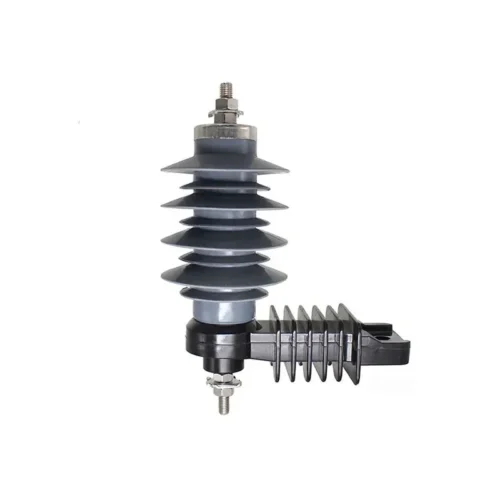
Lightning arrestors are special devices designed to protect electrical systems and structures from the damaging surges of electricity created by lightning. Lightning arrestors can be installed on buildings, electrical panels, or any type of electrical line, and they serve as a point of interception for lightning strikes, directing the energy to the ground. The result is a dramatic reduction in the likelihood of fires occurring from actual lightning strikes, as well as protecting sensitive equipment from being damaged. Both residential and commercial properties can benefit from using lightning arrestors to provide lightning damage protection.
How do I know if I need lightning protection?
There are several factors that will affect whether or not you will need a lightning arrestor based on the following:
- Region: If you live in an area that receives a relatively large number of thunderstrikes from thunderstorms, you have a greater risk of being struck by lightning. You may want to use a lightning map or request an update on your current area’s weather conditions.
- Height of Building: Towers, chimneys, radio towers, and office complexes attract more lightning strikes than shorter buildings due to their elevation. If you have a tall structure (over 30 feet), you will need an air terminal system.
- Costly Assets: If your building has high-end electric assets, large equipment, and/or essential communication devices, it is a good plan to protect those assets with a certified Lightning Protection System (LPS).
- Previous Lightning Incidents: If your property has ever sustained lightning damage, a certified LPS should be installed to lessen your risk of future losses.
How Tall Should a Building Be Before Lightning Protection is Needed?
A good rule to follow is to install a Lightning Protection System (LPS) for any structure taller than 30 feet; however, depending on where you live, you may need an LPS installed for buildings shorter than 30 feet if they house expensive electrical equipment. Standards and codes, such as those from the NFPA (National Fire Protection Association), can assist with determining whether a building requires lightning protection and where to properly install protection devices.
Benefits of Installing a Lightning Arrestor
There are several benefits associated with the installation of a lightning arrestor, such as:
- Electrical System Protection: Protecting against voltage surges to your electrical system will help save you from repairing or replacing expensive equipment resulting from electrical shock or failure.
- Reduced Risk of Fire: Conducting lightning's energy safely into the earth will help reduce the risk of fire due to a lightning strike.
- Extending Equipment Lifespan: Equipment that can sustain damage from sudden increases in electric power (like computers and HVAC systems) should be protected.
- Comfort: When your property is protected, you can rest comfortably during storms.
Is a Lightning Protection System Worth It?
Yes! If you have an interest in the value of your property and its contents, you should definitely consider lightning protection for your home. Although it may be seen as a large upfront investment, it will save you significantly in potential repair costs if your property is damaged by a lightning strike. When lightning strikes your house, you could be left with no working electronics, a house in danger, and extensive repairs to make.
Homes are typically protected from lightning using a combination of a lightning rod, ground system, and surge protector—together, they offer comprehensive protection against lightning-related risks. If you live in an area with a higher probability of lightning strikes, then investing in additional protection is even more necessary.
Continue with the Enlightenment: Lightning Protection for Industry
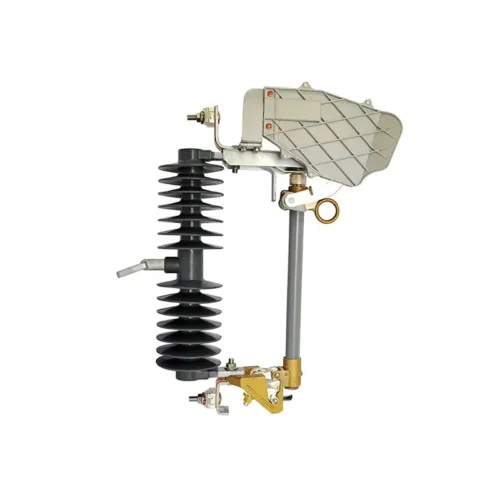
While a house can benefit from having a lightning protection system installed, industries are subject to an even higher level of threat and run much greater risks due to the size of their electrical distribution systems and the quantity of valuable equipment. An investment in a high-voltage lightning protection device, such as an industrial-grade lightning arrestor, can save an industry from experiencing downtime and associated operational and safety losses. Such devices can handle much larger surge volumes than the lightning protection systems found in homes, thereby providing better protection for the larger components of an industrial electrical distribution system.
Commonly Asked Questions About Lightning Protection Devices
Commonly asked questions regarding lightning protection devices include:
- At what height does a building require lightning protection? Most authorities consider that any building with a height greater than 30 feet and/or any valuable electrical or electronic equipment that is exposed (by way of the outside of the building) requires lightning protection.
- Will I need lightning protection for my business? If your business is located in or near an area with a higher probability of lightning strikes, contains very expensive electronics and/or electrical equipment, or has experienced damage from lightning strikes, then you should consider having lightning protection installed.
- Is lightning protection worth it for a residence? Yes. A lightning protection system provides safety, prevents damage to expensive equipment, and saves you significant money in potential repair and replacement costs.
If your specific concern regarding lightning protection devices does not appear above, you should contact a lightning protection specialist for advice on how to address your particular situation.
Concluding Thoughts
Before determining the need for a lightning protection device, you must first evaluate the risk to your assets and the geographical location of your property, as well as consider the value of all items at risk from a possible lightning strike. Whether you are a homeowner or an individual responsible for managing a manufacturing facility, investing in a good quality lightning protection device will provide peace of mind and protection during lightning storms. Act now before it is too late—protect your building from the forces of nature, and feel at ease regardless of the weather!