+86 15657752999

0102030405
Drop Out Fuse: A Practical Selection Guide
2026-10-23
In electrical networks, Drop Out Fuses are widely regarded as important devices that can protect equipment from high currents and short circuits, regardless if one is operating a substation, a rural network, or acquiring such devices for industrial purposes. This document aims to cover the important aspects that should be taken into account when choosing drop out fuses, including technically important functioning principles, possible applications, and operating rules.
What Is a Drop Out Fuse?
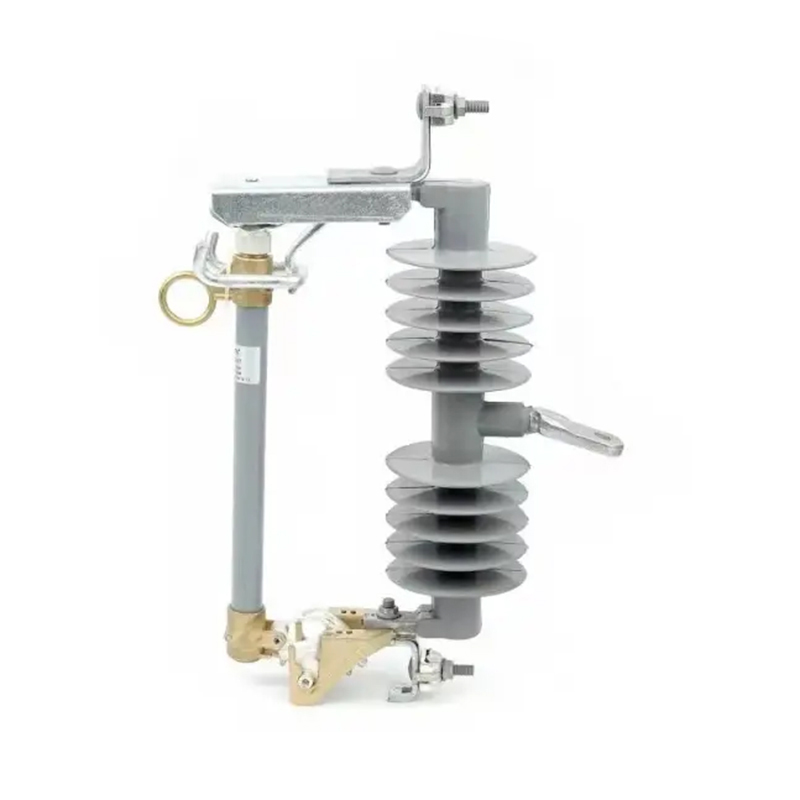
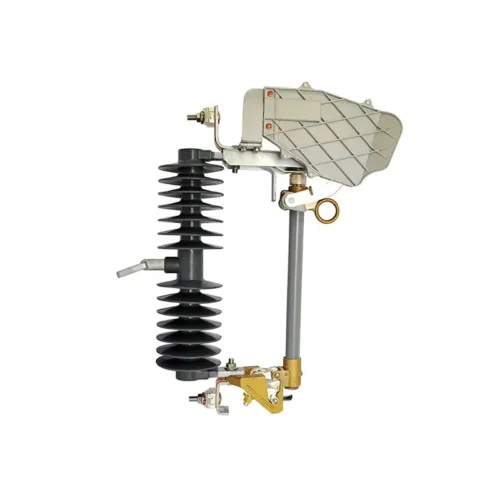
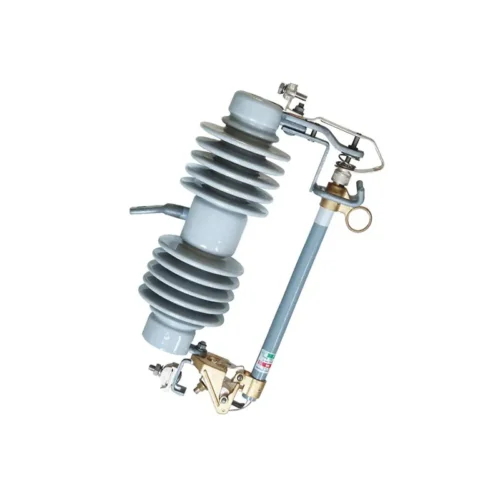
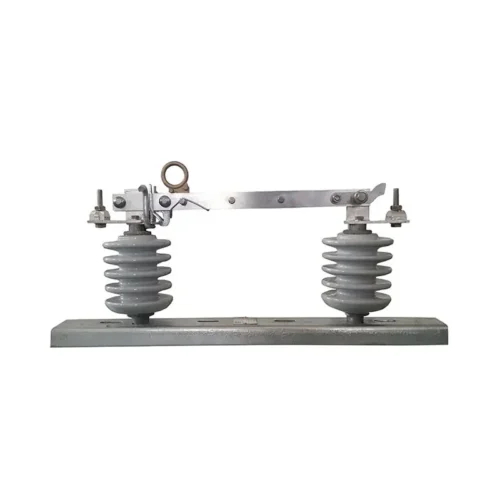
A Drop Out Fuse is designed for operation with high voltage systems (usually 11kV to 33kV) and is known for its visible and physical dropout action. A fuse link is placed between two contacts and if there is excessive current in the fuse, it melts causing the fuse body to drop, making the fault identification and repair very easy.
Transformers are essential components of the power distribution system, with specialized fuses used in protecting them from overcurrent and short circuit faults. These fuses are crucial elements used to guarantee uninterrupted operation and safety of transformers.
How a Drop Out Fuse Works
The principle on which the Drop Out Fuse operates is both simple and effective. Under normal load, the fuse link conducts properly; in case of an overcurrent or short circuit, the fuse link gets hot, melts, and causes the assembly to move away from the contacts. This opens the circuit and visually shows the trouble to the maintenance teams.
This characteristic is of great importance since it reduces maintenance time and lowers the chances of a service interruption, which is one of the factors that makes the drop-out fuse different from other protective devices that are less easily seen and accessed.
Matching Voltage and Current Ratings
Selecting the correct voltage and current rating, such as a 11kV drop out fuse or 33kV drop out fuse, is vital for system safety and equipment protection. The fuse must match your circuit’s operating voltage and be able to safely interrupt the maximum possible fault current. Incorrect ratings can result in either nuisance tripping or failure to open during an actual fault—both scenarios compromise safety and reliability. Always refer to system specifications and consult an electrical engineer if in doubt.
Porcelain vs. Polymer Housings
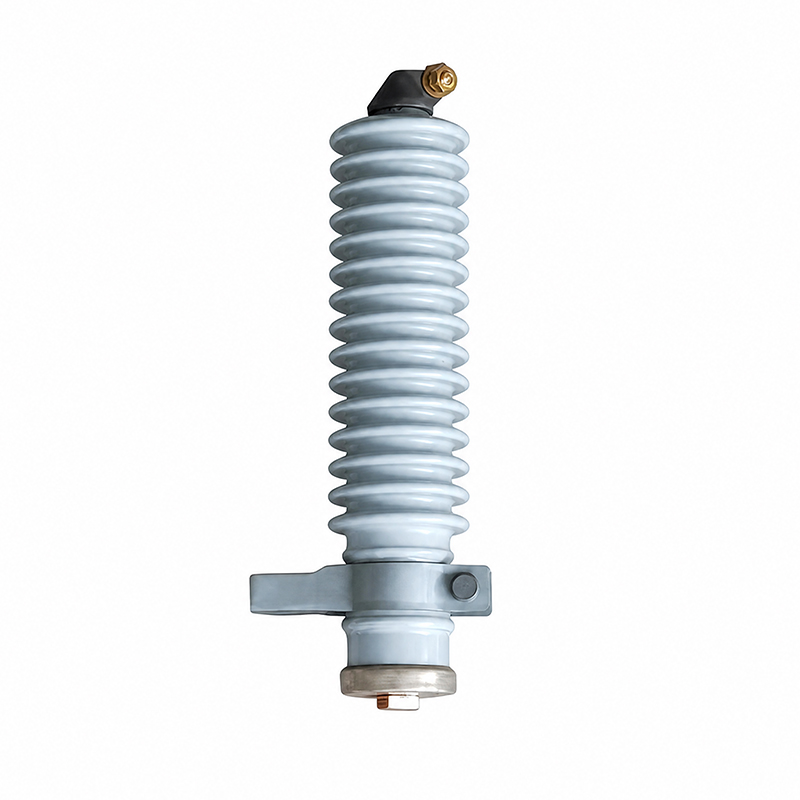
Drop Out Fuse Housings are mainly made of either porcelain or polymer material. Porcelain has always been popular for its excellent insulating quality and resistance to chemicals, thus being suited for difficult industrial or outdoor conditions. Nevertheless, porcelain is quite heavy and can be easily broken.
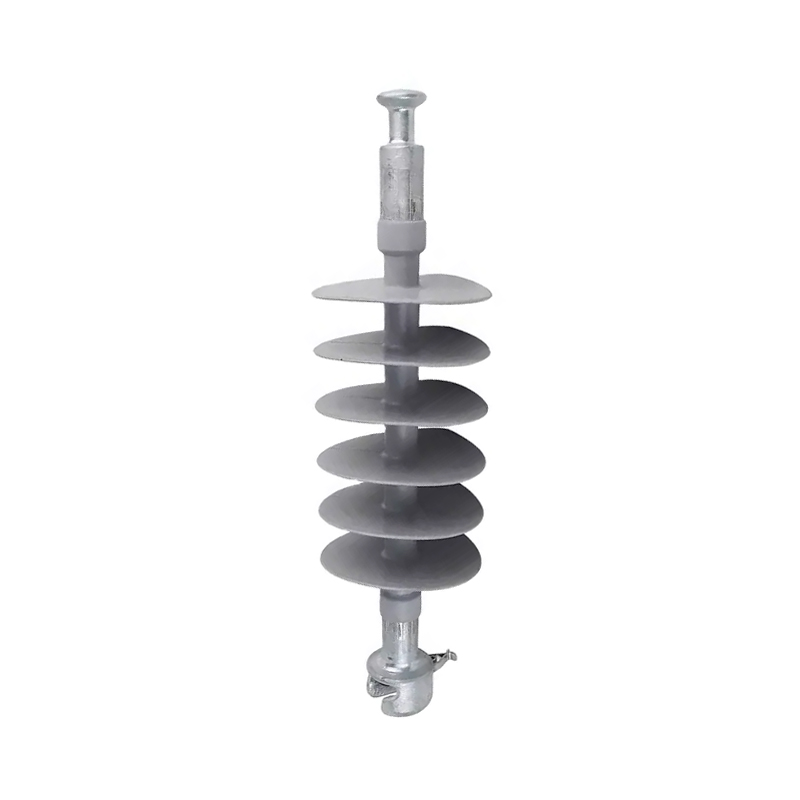
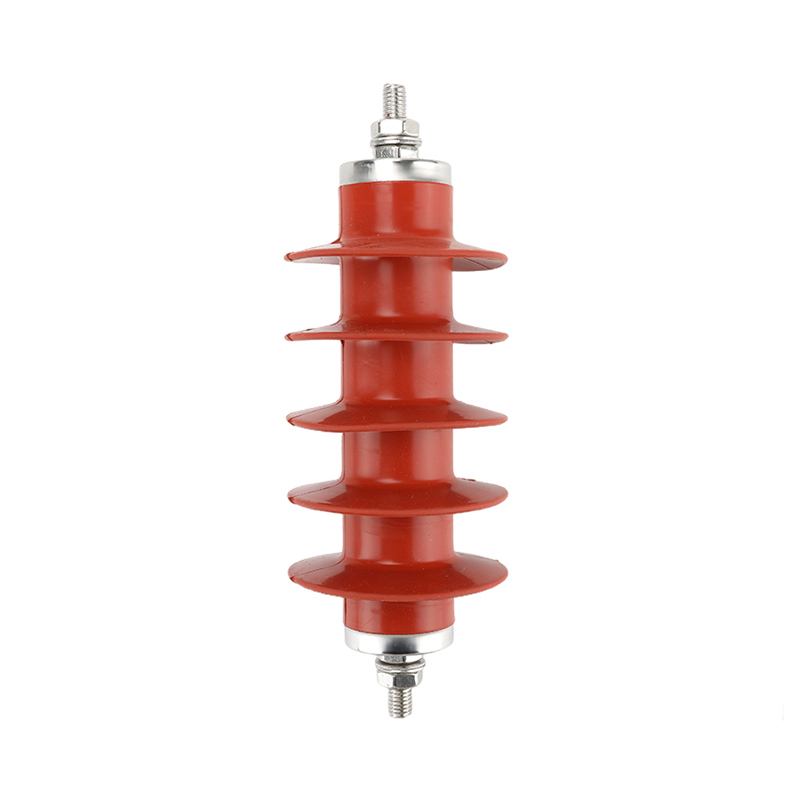
Polymer materials like silicone rubber are light in weight, do not break easily, and repel water easily. These qualities make polymer materials favorable options for modern and remote setups in which weight matters, durability and weather resistance are crucial. The option you select should depend on the conditions of the area and ease of maintenance.
Common Applications for Drop Out Fuses
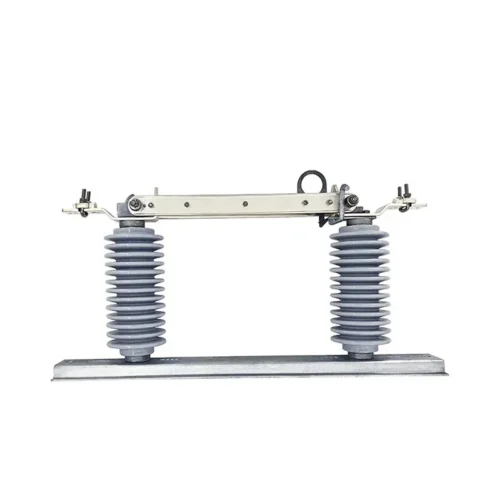
The significant usage is in transformer protection where special fuses these days are made to work as protective components that protect transformers from electrical failures. As a matter of fact, dropout fuses are also widely used for overhead lines since they provide a fast solution to fault isolation thereby limiting the volume of damage and controlling the extent of the malfunction. The dropout fuses can be also utilized for feeders and in rural electrification purposes thereby preventing the transformers and other crucial objects from excessive electrical current.
Installation Mistakes to Avoid
Correct installation is vital for fuse operation. Major mistakes are overly tight or loose connections resulting in harm caused by improper connections. Neglecting other factors like polarity or environmental conditions can also be an issue. The manufacturer's instructions should always be followed to ensure that the connections are correct.
Frequently Asked Questions
Porcelain or polymer: which is better?
Porcelain does have better resistance to chemicals and UV rays, but it also is quite heavy and fragile when compared to polymer, which, on the other hand, happens to be much lighter and much stronger against impact.
What are key installation precautions?
Ensure accurate torque specifications, wiring, and environmental conditions. Use only the approved replacement parts.
Why are drop out fuses ideal for transformers?
These are custom fuses meant to keep generators safe from overload currents and faults as well as to facilitate their maintenance and trouble-free operation.
Conclusion
The use of a Drop Out Fuse is crucial to ensure that the electrical power network is operated safely and reliably. When the operating principles are understood and ratings plus casing materials are correctly selected and good practices are followed, maximum safety and reliability will be achieved. In case of any special questions about applications or sourcing needs, getting advice from specialists or manufacturers will ensure that the best alternatives are found.