+86 15657752999


0102030405
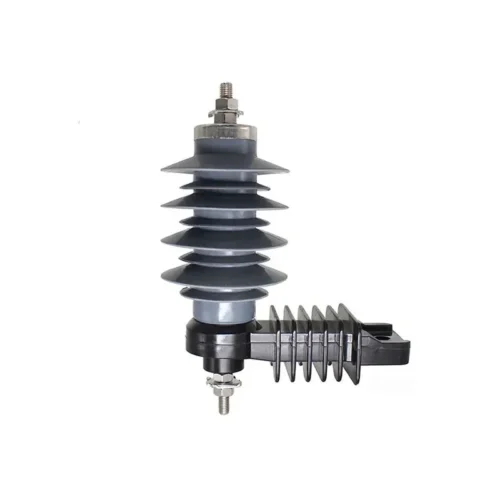
Drop Out Fuse Cutout: Complete Guide, Types & Selection
2026-09-16
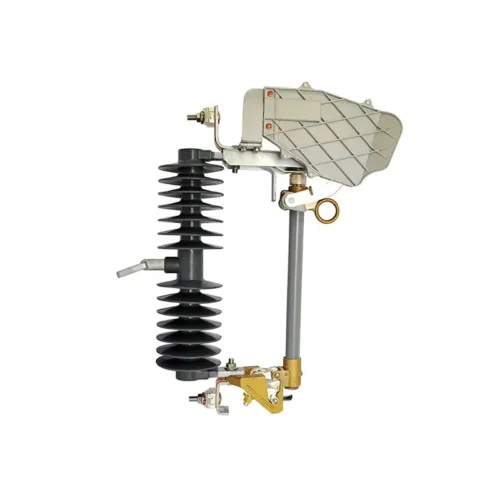
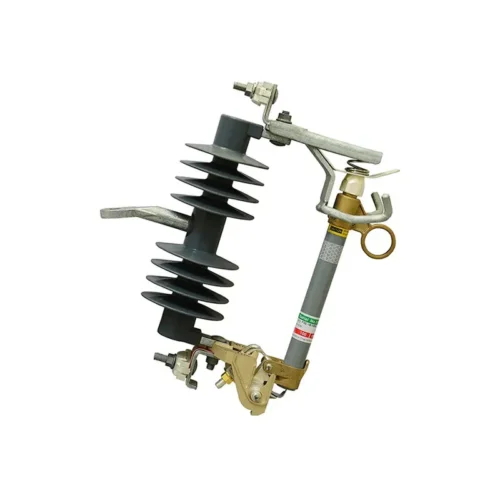
The Drop Out Fuse Cutout is essential in medium voltage distribution systems, protecting against overloads and short circuits like any fuse. Its key advantage is the unique "drop out" feature: when the fuse blows, the fuse and holder drop down, giving a clear visual indication of a fault and simplifying repairs. This article helps engineers, buyers, and utility managers understand the important specifics of Drop Out Fuse Cutouts, including types, selection criteria, and key considerations.
What Is a Drop Out Fuse Cutout?
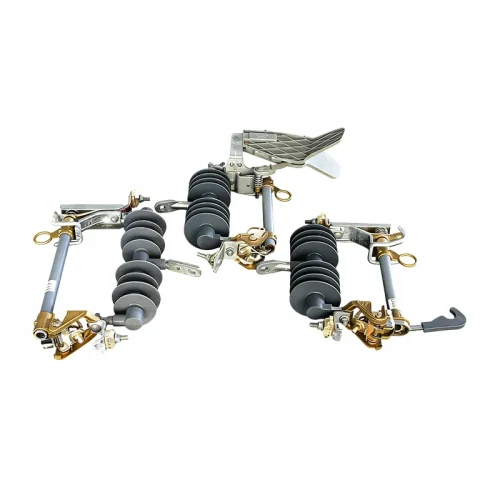
A cut-out fuse dropout device is a protective switch that can switch on or off overhead power supply wiring. It consists of an insulating body, a fuse holder, and a fusible link. When the link melts due to excessive current, the fuse holder releases and falls off just like that, isolating the circuit and informing that maintenance or replacement has to be done.
Working Principle & Applications
The main concept of a Drop Out Fuse Cutout is straightforward. A fuse link that has been calibrated melts under high current and causes the cutout to fall due to its own weight thus disconnecting the power. This process is an explicit indication of a faulty fuse and allows for safe isolation for the purpose of maintenance.
Applications cover a wide spectrum:
- Protecting overhead distribution lines and lateral feeders
- Safeguarding pole-mounted and pad-mounted transformers
- Isolating branch circuits in substations
- Protecting capacitor banks, voltage regulators, and renewable energy installations
Due to their strong construction and trustworthy operation in hostile conditions, they are being increasingly employed in networks, both in the countryside and within urban areas around the globe.
Drop Out Fuse Cutout Types: 11kV, 24kV, 33kV & More
Selecting the right voltage rating is crucial. Common types include:
Cutout Fuse Drop Out of 11kV: Product being used in medium voltage overhead lines and transformers with high resistance to bad weather and environmental impact.
24kV Drop Out Fuse Cutout: Ideal for large-scale feeders and extensive rural transmission systems; provides enhanced dielectric capacity and durable insulation.
33 kV Fuse Cutout: Suitable for high-voltage electrical systems such as industrial plants and remote substations, providing improved insulation and suppressing arcs.
There are custom designs available which can facilitate higher voltage applications. Always ensure that the voltage ratings, breaking capacities, and insulation types are suitable for the specific requirements of your network.
How to Select the Right Drop Out Fuse Cutout
The selection process demands careful review of both network and site needs. Key steps include:
1. Identify System Voltage: Choose the appropriate voltage class—11kV, 24kV, or 33kV.
2. Assess Load Current: Calculate design current and add margin for growth.
3. Assess the breaking capacity: Verify that the apparatus is capable of withstanding the most extreme fault current that may occur at your premises.
4. Take Environmental Factors Into Account: Choose polymer insulators and covers in case of harsh weather or contaminated environments.
5. Coordinate fuse link ratings: Verification that protection is in line with transformer size and network protection philosophy.
6. Verify Standards & Certification: Demand adherence to applicable standards and ask suppliers for test certificates.
It is important to work with reputable companies that provide approved technical products along with installation services to ensure that the network will be safe for years.
Installation & Maintenance Guide
The process of installing Drop Out Fuse Cutout includes securely fastening it to the cross arm or pole, placing a proper fuse link, and clearing the area around it for easier access during maintenance.
Maintenance comprises a series of visual checks, hardware checks, insulator cleanings, and periodic replacement of fuses. In extreme environments, it is suggested to use accessories like cutout covers to give more protection from weather and contamination.
Frequently Asked Questions (FAQ)
What is a Drop Out Fuse Cutout?
It is a piece of equipment used to ensure the security and disconnection of overhead electrical lines and transformers. This mechanism operates when a fault occurs, burning out its fuse link, leading to its fall down.
What categories exist?
The main categories are classified according to the voltage levels: 11kV, 24kV, 33kV, etc. In addition, some technical solutions can be designed for greater or extraordinary voltages.
What criteria must be used to choose a Drop Out Fuse Cutout?
You must match the correct voltage rating, current capacity, breaking capacity, and environmental suitability as well as ensure that it complies with certain standards.
Is there any maintenance involved?
Indeed. Regular inspection and replacement of the fuse links are needed to ensure that the performance is in the best level possible, particularly when working in extreme as well as polluted environments.
Global Market & Export Considerations
When it comes to import/export projects, ensure the fuse cutouts comply with the standards of the intended country, as well as the necessary certification and packaging requirements. Knowledgeable manufacturers can help with the logistics and documentation involved in the process, making the smooth transition to foreign electrical networks possible.
The proper type and installation of a Drop Out Fuse Cutout can guarantee the safety, reliability, and maintenance of electrical systems. Knowing the types of power cutouts, their specifications and installation processes, and the accessories that are available will allow you to manage your energy distribution systems efficiently. With the advancement in technology and sustainability, modern cutouts keep improving and keep providing higher value to customers and utilities.