 +86 15657752999

0102030405
Drop Out Fuse: Installation, Maintenance & Safety
2026-10-16
The Drop Out Fuse plays an important role in electrical distribution systems. It operates by disconnecting defective components and preventing devices such as transformers and feeders from being damaged by overcurrents and electrical shorts. Through its “drop out” function, the tool visibly shows when it has done its job. Professionals such as utility technicians responsible for maintaining and supervising provision systems should know how to install, maintain, and operate Drop Out Fuses properly to ensure that their work is effective.
What Is a Drop Out Fuse?
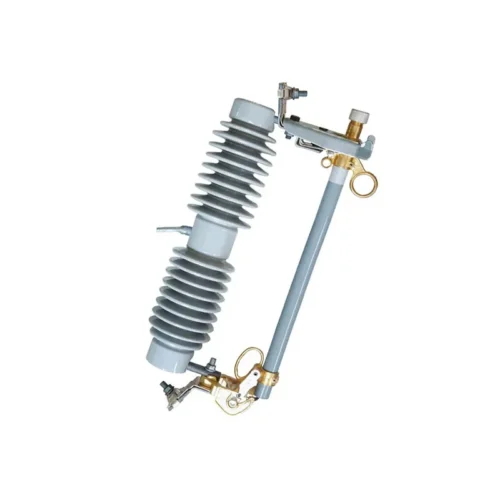
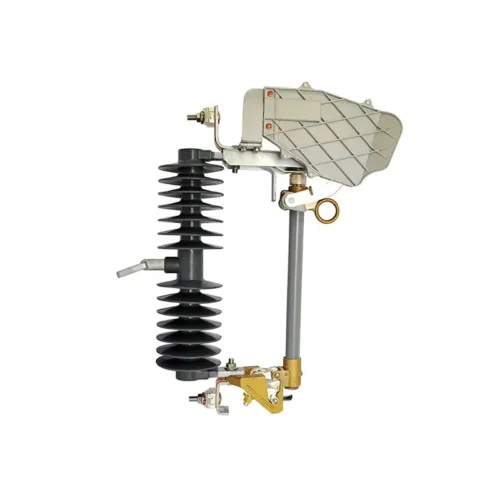
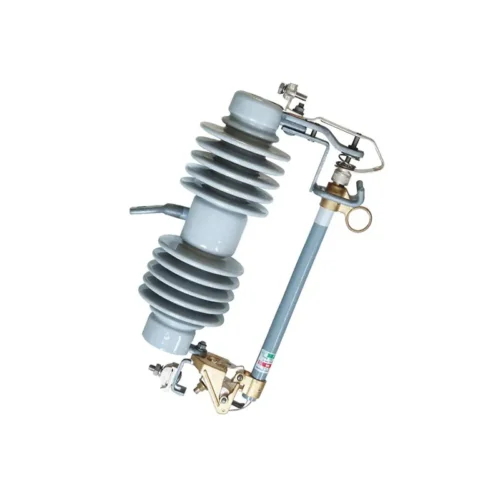
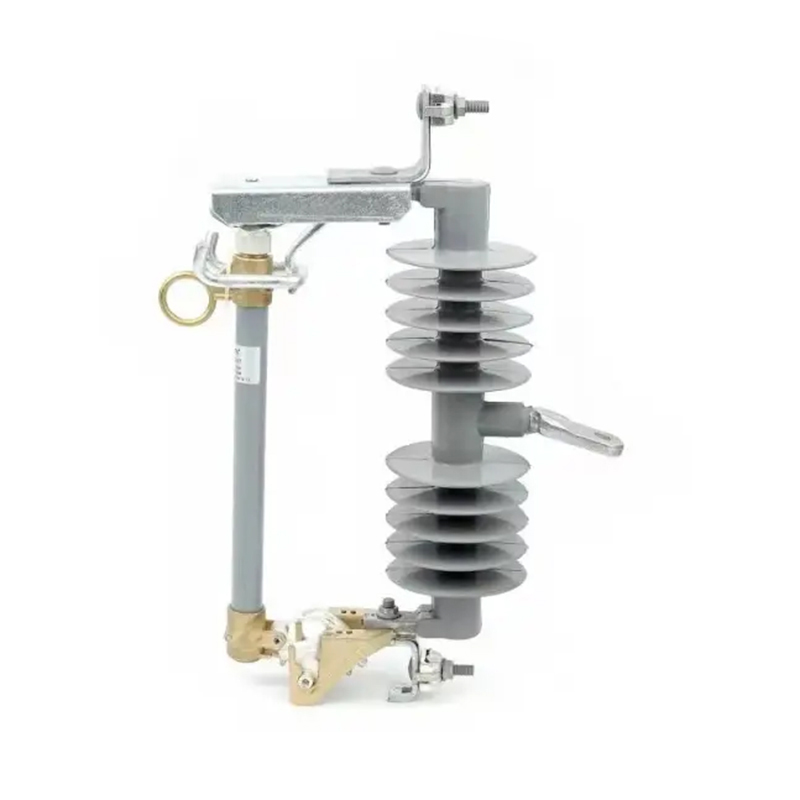
A Drop Out Fuse is comprised of a fuse holder fixed on an insulator. It also includes a removable fuse link inside. In case of a short circuit, the fuse link melts and separates, thereby making it known that the line requires servicing. Such type of fuse is used mainly in overhead power lines and examples like 11 kv drop out fuse and drop out fuse link are manufactured for use in medium voltage networks. The fuses are designed in such a way so that they can be operated efficiently outdoors.
Correct Installation of Drop Out Fuses
The importance of a proper installation cannot be underestimated. The initial step involves the selection of a fuse link which is suitable for the system voltage and current. An example of this is a drop-out fuse utilized for medium voltage lines operating at 11 kV. The next step is inspecting the holders and fuse link for any damages or corrosion. The holders should be properly secured prior to installing the fuse link as per the instructions. It is essential to ensure all electrical connections are clean and tight and that local regulations are adhered to.
Routine Maintenance Practices
Routine checking and maintenance decrease chances of malfunction and keep operations smooth. At minimum every 6 months, visually check fuse holders, fuse links and insulators for deterioration or contamination. Clean connections with permitted cleaning agents, and check insulators for debris. Confirm that mechanical fastening is still in place. Change fuse links if they are worn out or used following malfunction occurrence.
Safety Precautions for Drop Out Fuses
Safety protocols must be strictly adhered to while working on Drop Out Fuses. Power should be disconnected prior to carrying out maintenance or installation work. Check voltage levels to confirm that the circuits are de-energized. Always wear Personal Protective Equipment (PPE) such as insulated gloves, arc rated clothing, and protective goggles. Working outdoors during inclement weather should be avoided since it can pose additional safety hazards. Insulated tools should be used, and burnt-out fuse links should be handled with care.
Common Faults and Troubleshooting
The issue most commonly faced is the blown fuse link, mostly resultant from overloads and surges. Always find the cause of the problem before replacing the fuse link. Mechanical problems like sticking drop-out mechanisms can be solved through cleaning and lubrication. Loose connections around contact areas are resolved by simply tightening up and cleaning the terminals appropriately. Environmental factors causing damage like cracked insulators due to weather factors require immediate replacement. Make sure to use fuse ratings that are appropriate for the use in order to prevent tripping of fuses or not enough protection. Keeping a record of faults and solutions makes the future troubleshooting process faster.
Choosing the Right Drop Out Fuse
The selection relies on the voltage and current rating, the surroundings, and the job requirements. Choose outdoor models that are weatherproof and safe to use for both domestic and international purposes. The material of the fuse link also influences the quality and price (copper, silver, etc.). Modern options can provide easy monitoring and fault indication of a large-scale facility. Consulting manufacturers can help you find the right solutions for your specific environment.
Frequently Asked Questions
How do I install a Drop Out Fuse correctly?
It is necessary to pick the proper fuse, check the components, install the fuse in the right way, add the fuse link and check whether the circuit works. Please adhere to the Manufacturer’s and the local requirements.
What does routine maintenance involve?
The process involves visual inspections, cleaning of contacts and barriers, ensuring that mechanical connections are appropriately tightened, replacing used out fuse, and performing functional tests.
What are the essential safety precautions?
Make sure to turn off the electricity, wear necessary protective clothing, stay away from storms, use insulated tools and be well equipped for emergency situations.
What are common faults and troubleshooting steps?
Broken links, mechanical problems, bad connections, and damage from the environment. Locate the root causes, replace damaged parts, and document the maintenance performed.
Drop out fuses continue to play a significant role in safeguarding electrical systems in distribution circuits. Selecting the appropriate fuse, following good installation practices and implementation of safety procedures will ensure reliability. Continually adapting to the changing environment of the industry and training the staff are crucial for maintaining the reliability of the system forever.