+86 15657752999


0102030405
Drop Out Fuse Mounting Insulators Explained
2026-04-20
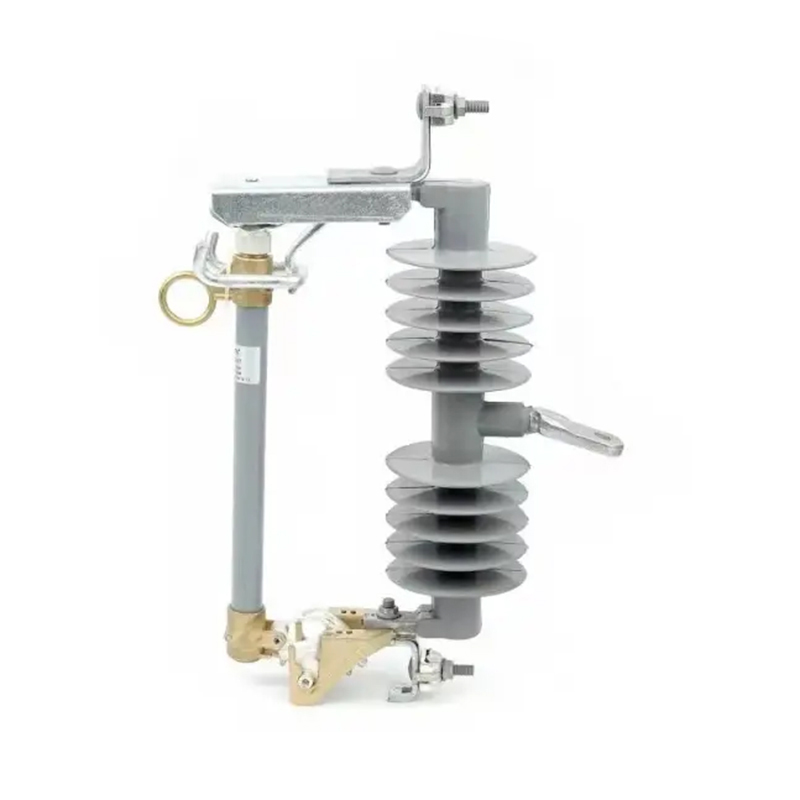
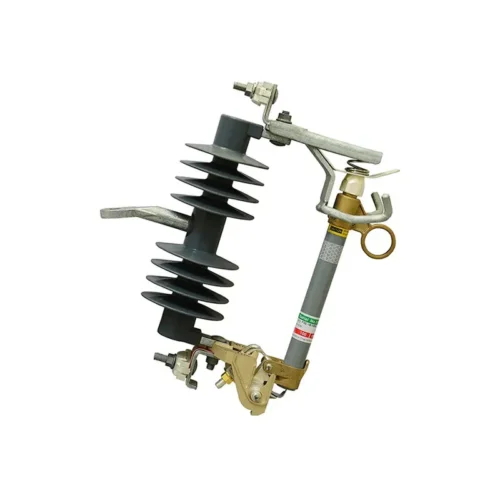
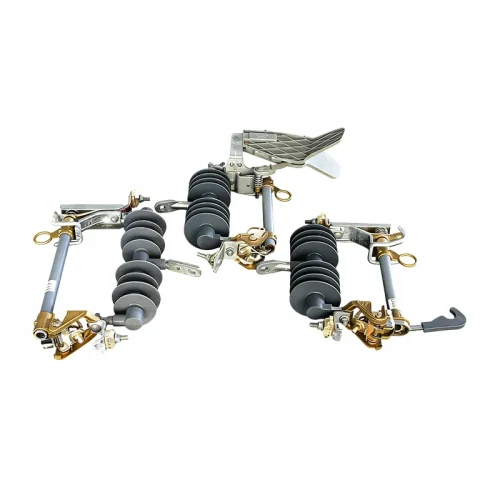
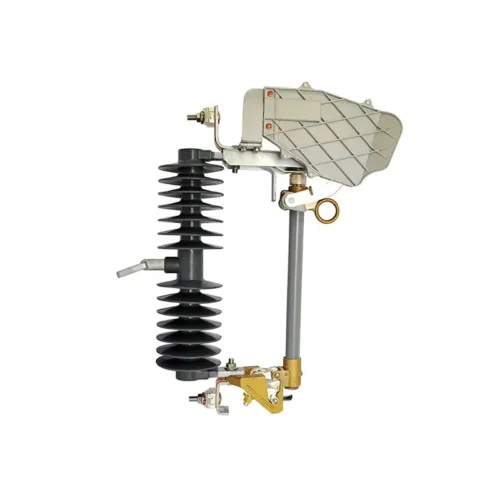
A drop out fuse is a critical protective device in overhead distribution systems, combining a fuse link with a spring-loaded mechanism that visibly disconnects the circuit when a fault occurs. The component that anchors this assembly to the crossarm or pole is the mounting insulator a piece of hardware designed to withstand high mechanical stress, severe weather, and continuous electrical tracking. Selecting the correct insulator is not just about fitting the bracket; it is about ensuring the fuse operates reliably without flashover or mechanical failure in the field.
The Role of the Insulator in a Drop Out Fuse Setup
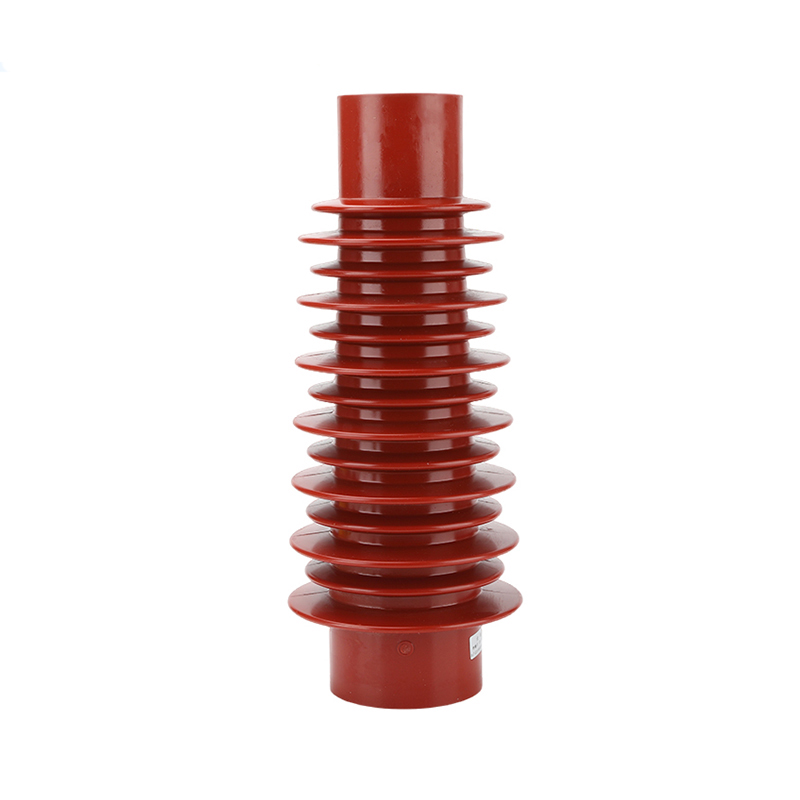
When you look at a pole-mounted drop out fuse, the insulator is the solid base that separates the energized fuse holder from the grounded structure. It performs three specific jobs that directly impact system uptime.
First, it provides electrical isolation. The insulator must prevent leakage current from finding a path to ground across its surface, even when polluted by salt spray, industrial dust, or heavy rain. This is measured by creepage distance the longer the path along the insulator's surface, the better the performance in contaminated environments.
Second, it serves as a mechanical anchor. A drop out fuse assembly, particularly a larger one rated for 100A or 200A, carries significant weight. More importantly, when the fuse operates and the holder swings downward, it exerts a sudden dynamic shock on the mounting point. A flimsy or poorly cured insulator will crack under this repeated impact, leading to misalignment and potential phase-to-phase contact.
Third, it maintains operational alignment. For the fuse holder to drop out completely and provide that visible isolation gap, the hinge and latch contacts must sit perfectly level. If the mounting insulator warps under UV exposure or thermal cycling, the fuse tube may hang at a slight angle, increasing the risk of it failing to drop open during a minor overcurrent.
Material Choices: Porcelain vs. Polymer
The question of which insulator typically boils down to a comparison between two established materials: wet-process porcelain and silicone polymer (often with a fiberglass core).
Porcelain Insulators
Porcelain has been the utility standard for good reason. It offers strong compressive performance and, most importantly, zero UV degradation a glazed porcelain insulator on a drop out fuse holds up identically after two decades in full sunlight. The drawbacks are weight and brittleness. The added mass strains crossarms and complicates tight-space installs. A hard knock from a branch or a tool can leave a hairline crack that later invites flashover when wet.
Polymer (Silicone Rubber) Insulators
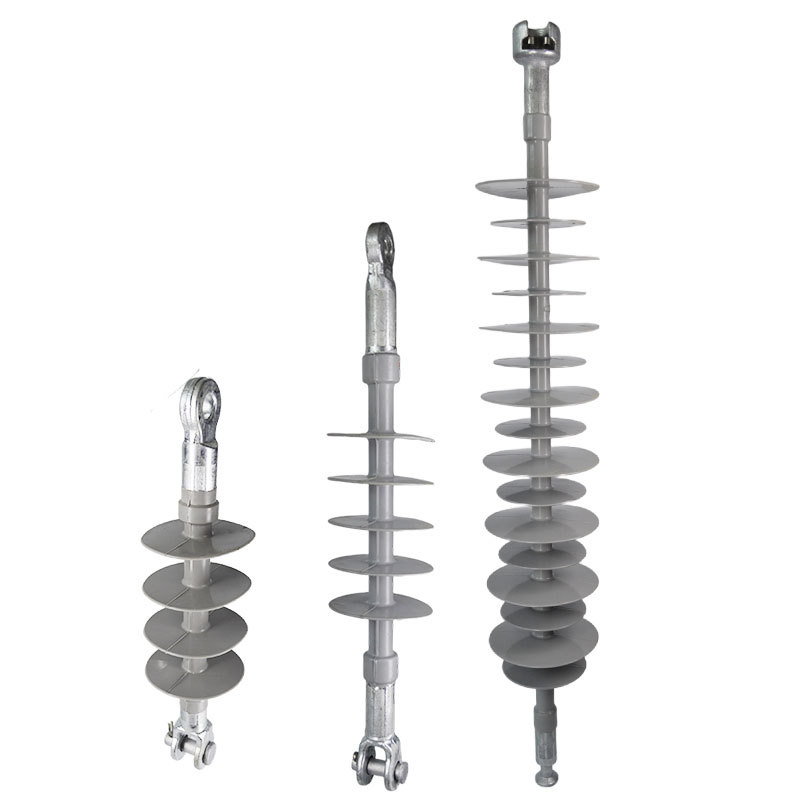
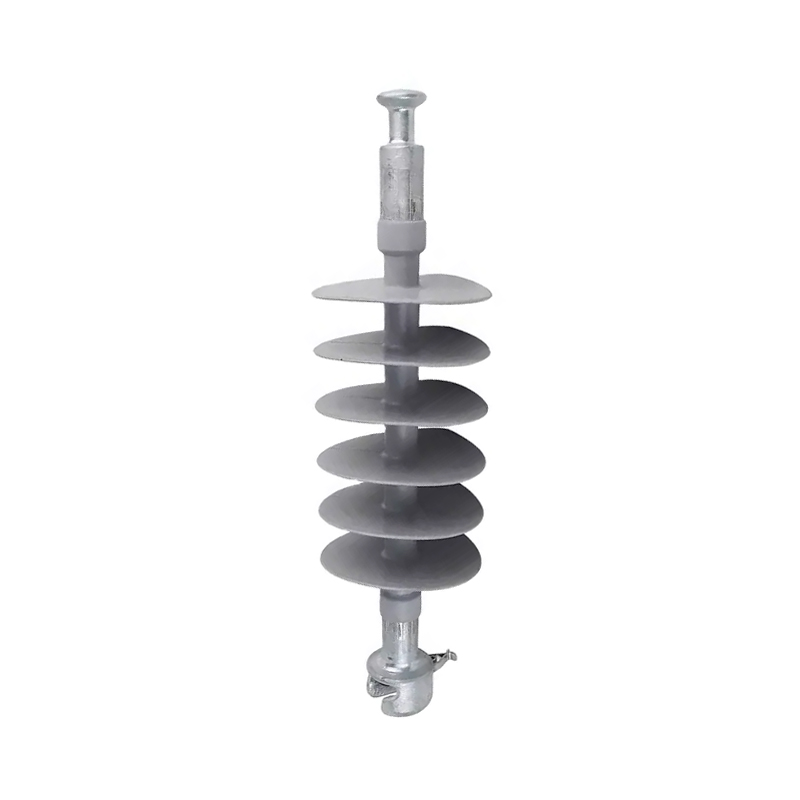
Silicone rubber insulators have gained market traction because they are light and shatterproof easier for bucket crews to handle. The real advantage is hydrophobicity: silicone sheds water in beads, preventing the conductive film that forms on dirty porcelain. This means lower leakage currents and fewer nuisance trips in salty or polluted air. The catch? Polymer must be formulated to beat UV cracking and tracking. Modern high-temperature vulcanized silicone mostly solves this, but quality differs by maker.
Common Mounting Configurations and Applications
Your choice of insulator is often dictated by the physical configuration of the drop out fuse itself. Understanding these variations helps avoid ordering the wrong part number.
- Single Insulator Post (Trunnion Mount): This is the most common type for distribution lines (11kV to 33kV). The fuse base is bolted directly onto a single sturdy insulator. This configuration is ideal for straight crossarm mounting where space is at a premium.
- Double Insulator (Bridge Mount): In this setup, the fuse is suspended between two insulators. This provides superior mechanical stability and is often preferred for higher voltage applications (above 33kV) or in areas with high wind loading. The extra insulation distance also improves safety during live-line maintenance using hot sticks.
- Fuse Base with Integrated Insulator: Some designs mold the mounting bracket and insulator as a single unit. These are common in newer, compact installations. The benefit is a reduction in metal-to-metal connections, minimizing corrosion points.
Practical Considerations for Buyers and Stockists
If you are purchasing a drop out fuse for a specific project or restocking inventory, focusing solely on the fuse rating and ignoring the insulator is a common mistake. Here is what you should verify before finalizing a purchase order:
1. Creepage Distance and Pollution Class
Reliability hinges on this specification. Standard fuses handle "Light" pollution only. Salt fog near the coast or de-icing chemicals on highways demand "Heavy" or "Very Heavy" class insulators meaning a longer body or wider sheds. Put a standard drop out fuse by the ocean, and tracking failure becomes a matter of when, not if.
2. Bracket Compatibility (The Hidden Cost)
Mounting footprints vary widely between drop out fuse insulators. Some have a flat slotted base for crossarm brackets; others use a round shank for clamps. Confirm the center-to-center bolt spacing before ordering. If replacing an old fuse, measuring the existing insulator base prevents the need for field-fabricated adapter plates, saving both time and money.
3. Conductor Termination Direction
The insulator controls whether the fuse sits parallel or perpendicular to the crossarm. Choosing the wrong layout forces sharp bends in the incoming conductor, stressing the cable and creating a messy install. Align the insulator with the wire's natural approach path.
Ensuring Long Service Life
After mounting the correct insulator, routine observation keeps it performing. Porcelain needs little more than a crack inspection. Polymer types should be checked for surface chalking or shed splitting. A well-made silicone insulator on a drop out fuse can last 30 years, though severe corona can cause surface etching. Keeping tree branches clear of the contacts reduces partial discharge and extends the life of the entire unit.
The mounting insulator is the foundation of a solid drop out fuse installation. Whether you select the proven strength of porcelain or the lightweight handling of polymer silicone, aligning the unit with the site's pollution and stress levels is essential for preventing unplanned outages.