+86 15657752999

0102030405
Drop‑Out Fuse: Types, Specs & Practical Selection Guide
2026-11-02
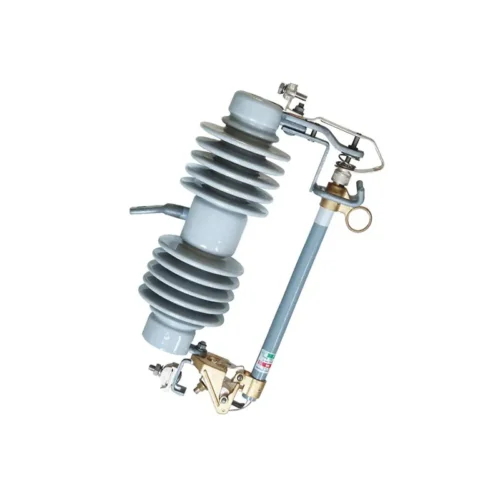
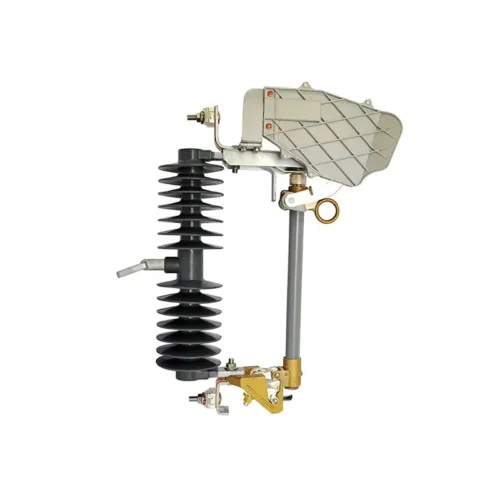
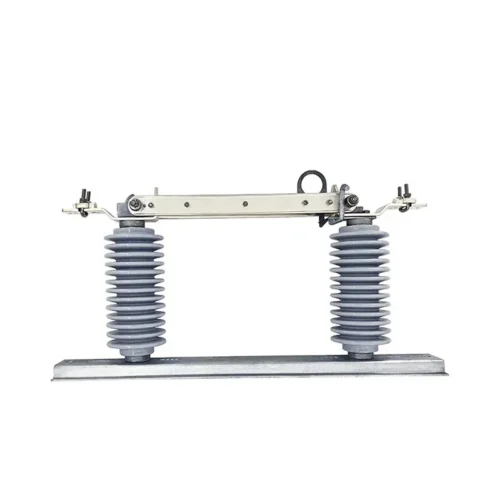
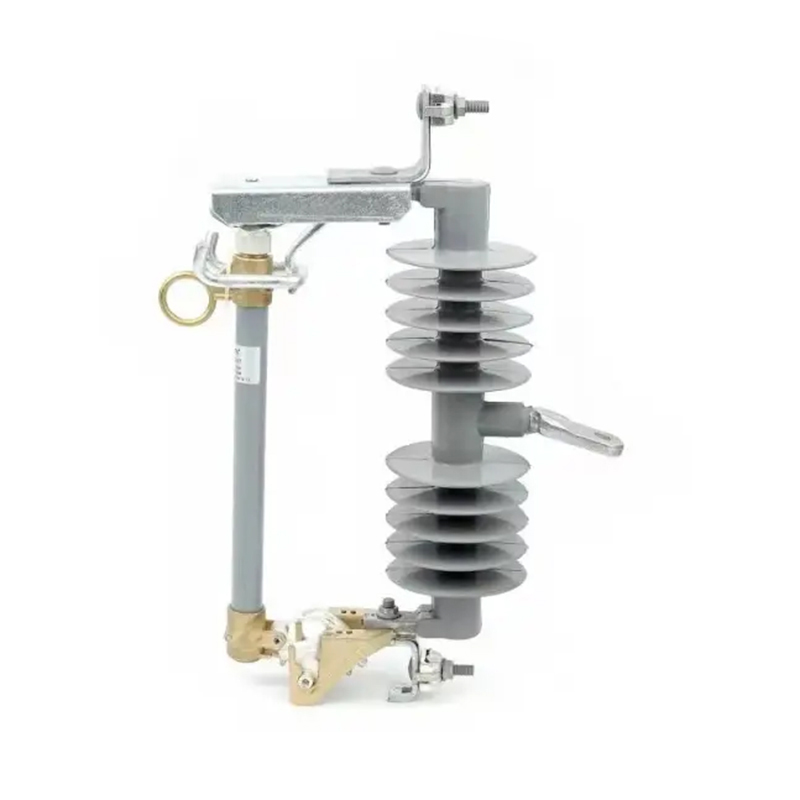
A drop-out fuse—also called an expulsion drop out fuse or HT drop out fuse—is a mainstream pole-mounted overcurrent device for medium-voltage overhead distribution. Engineers encounter 11kV variants for lower-voltage feeders and higher-voltage models up to 38kV. Its gravity-dropping fuse-tube design looks simple, but proper selection requires understanding operating principles, material options, technical parameters, and environmental constraints. This article offers practical guidance referencing the IEC 60282-2 compliant FSC-18-2 drop-out fuse cutout.
How an Expulsion Drop‑Out Fuse Works
Most ht drop out fuse and drop out fuse 11kv units belong to the expulsion‑type design. Installed at overhead branch points or transformer high‑voltage sides, they deliver fault interruption plus visible isolation indication.
Under normal operation, the internal fuse link keeps the fiberglass fuse tube held tight between upper and lower contacts. When short‑circuit or overload current melts the fuse link, an electric arc forms inside the arc‑extinguishing housing. The inner liner decomposes under high temperature and generates high‑pressure gas, which blasts and quenches the arc at current zero. Without tension support, the fuse tube swings downwards by gravity. Field technicians can identify the faulty phase from ground level.
This passive mechanism needs no external power supply. Operators can also manually open or close the device via insulating hot sticks. After fault tripping, only the fuse link needs replacing instead of the whole assembly.
Key Specifications & Material Reference (FSC‑18‑2)
Though drop out fuse 11kv covers lower‑class systems, the FSC‑18‑2 targets 24‑27 kV distribution networks and works within the 11‑38 kV application scope. Rated current options include 100 A, 200 A and 300 A for 50 / 60 Hz grids, with 8 kA breaking current.
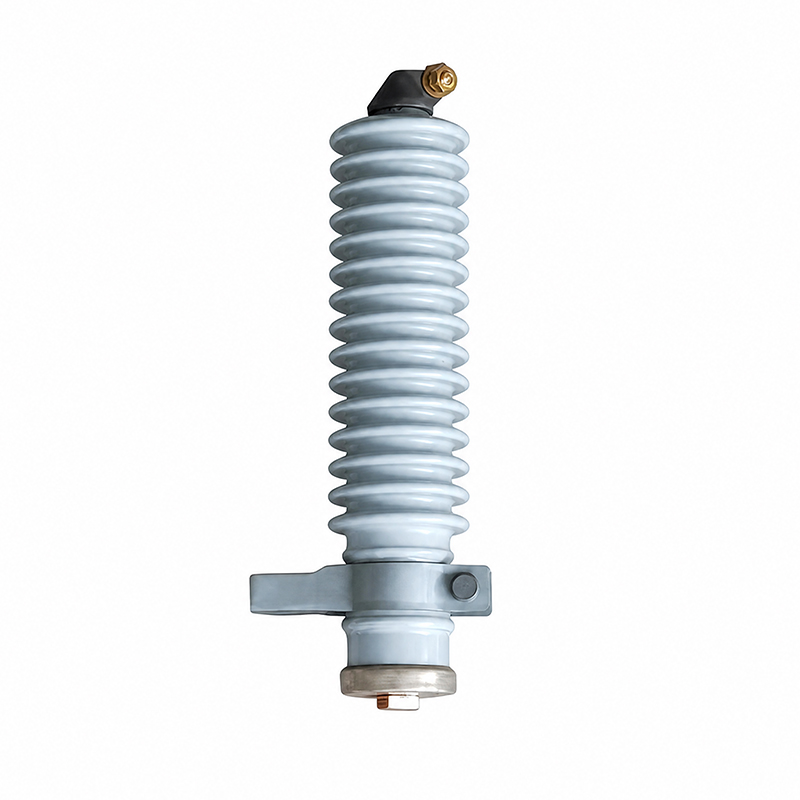
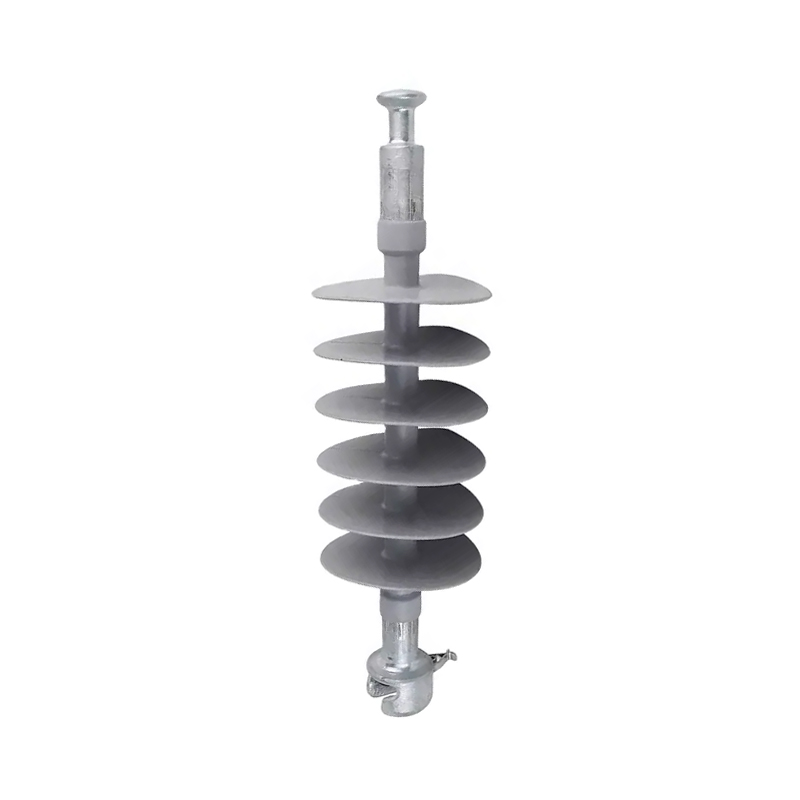
- Insulator choices: Porcelain or polymer insulators are available. Polymer types offer better anti‑pollution hydrophobic performance; porcelain delivers higher mechanical strength. This model provides 520 mm creepage distance suitable for pollution level II outdoor conditions.
- Conductive components: Brass (60‑62 % copper content), silver‑plated or tin‑plated copper are adopted to keep low contact resistance for long‑term outdoor service. The fuse tube is constructed from fiberglass for reliable arc‑extinguishing performance.
- Withstand ratings: 50 kV one‑minute power‑frequency withstand to earth; 150 kV lightning impulse withstand to earth.
Mounting brackets, arc‑shortening rods and arc‑extinguishing chambers are optional spare parts; fuse links are supplied separately.
Typical Application & Protection Boundaries
Drop‑out fuses protect distribution transformers, overhead cables, capacitor banks and overhead branch lines. Drop out fuse 11kv models fit 11kV rural feeders, while higher‑voltage ht drop out fuse variants serve 24‑27kV lines.
It is critical to understand its functional limits. An expulsion drop out fuse focuses mainly on fault‑section isolation rather than ultra‑precision equipment protection. When sizing fuse links, avoid two common mistakes: over‑rated links may fail to clear internal transformer faults promptly; under‑rated links trigger nuisance blowing caused by transformer magnetizing inrush.
For large‑capacity transformers or projects requiring strict protection coordination, drop‑out fuses should cooperate with additional backup protective devices instead of acting as the sole protection solution.
Overlooked Site Service‑Condition Limits
Datasheet parameters are defined for standard working environments. The FSC‑18‑2 is validated for altitude ≤ 1000 m and maximum ambient temperature of 40 ℃ under pollution level II.
- Altitude derating: Above 1000 m, thinner air reduces insulation strength and arc‑quenching capacity. Derating assessment is necessary for mountainous installation for both drop out fuse 11kv and 27kV models.
- Pollution matching: If site pollution exceeds level II, polymer insulator alone cannot guarantee safe operation. Re‑evaluate creepage distance according to actual contamination grades.
- Installation space: Sufficient pole‑mount clearance must be reserved for hot‑stick operation: tube dropping, fuse‑link replacement and re‑closing. Obstacles such as cross‑arms increase on‑site maintenance difficulty.
Conclusion
Drop‑out fuses including drop out fuse 11kv, expulsion drop out fuse and ht drop out fuse provide cost‑effective, passive over‑current protection with clear visual disconnection for overhead distribution. When evaluating units such as the FSC‑18‑2, engineers need to review not only voltage, current and breaking capacity, but also insulation material, altitude derating and pollution‑grade matching. Matching device specifications against real‑world site conditions determines long‑term outdoor reliability.
Frequently Asked Questions
Can drop‑out fuses be used in coastal salt‑fog environments?
Yes, but standard pollution class II versions may not be enough. Coastal sites with heavy salt contamination require customised higher creepage distance or special anti‑salt formulation polymer insulators to slow down surface leakage current.
What maintenance schedule is recommended for outdoor expulsion drop out fuses?
Visual inspection every 12 months is generally advised. Check insulator surface contamination, contact oxidation and fuse tube integrity. More frequent inspections are required for heavily polluted or lightning‑prone areas.
Is it acceptable to mix different brands of fuse links with the cutout body?
Not recommended. Fuse link time‑current curves vary between manufacturers. Mismatched links may cause unexpected coordination failure or delayed fault clearing, even if the nominal ampere rating looks the same.
Can drop‑out fuses work alongside automatic reclosers on the same feeder?
They can be paired, but protection coordination must be carefully calculated. The operating sequence and clearing time must be set properly to avoid unwanted overlapping tripping during temporary faults.