+86 15657752999


0102030405
Electrical Insulators: Types, Applications & Selection Guide
2026-09-23
Insulator technology is indispensable in today's electrical sector, providing protection, reliability, and operational efficiency for countless infrastructure projects. Without electrical insulators, the safe movement and use of electricity would be impossible, as they prevent unwanted currents, safeguard equipment, and enable the stable functioning of systems ranging from high-voltage transmission lines to local substations. As industries continue to upgrade and expand their networks, the importance of choosing the right insulator for each application becomes increasingly vital, influencing both safety and performance outcomes.
But what exactly are insulators and how are they used in the electrical sector? Let's explore the main types, real-world uses, and key considerations for selecting the optimum solution for your power systems.
Main Types of Electrical Insulators and Their Properties
Electrical insulators are materials specifically designed to inhibit the flow of electric current. They form the barrier between electrically charged parts, ensuring both controlled conduction and operator safety. Today, the three most common types are porcelain, polymer, and glass insulators:
- Porcelain insulators are crafted from ceramic materials and have been used for decades, valued for their excellent resistance to weathering and mechanical stress. These units perform well under high voltages and are particularly suited for outdoor environments given their durability.
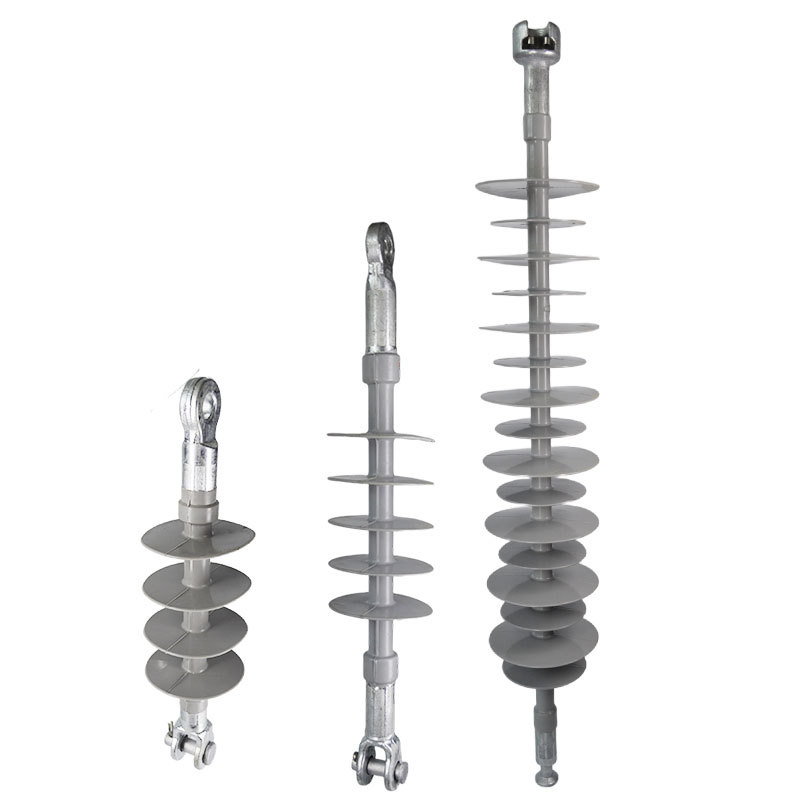
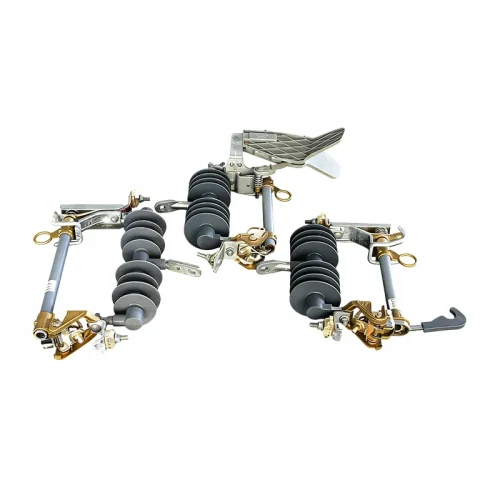
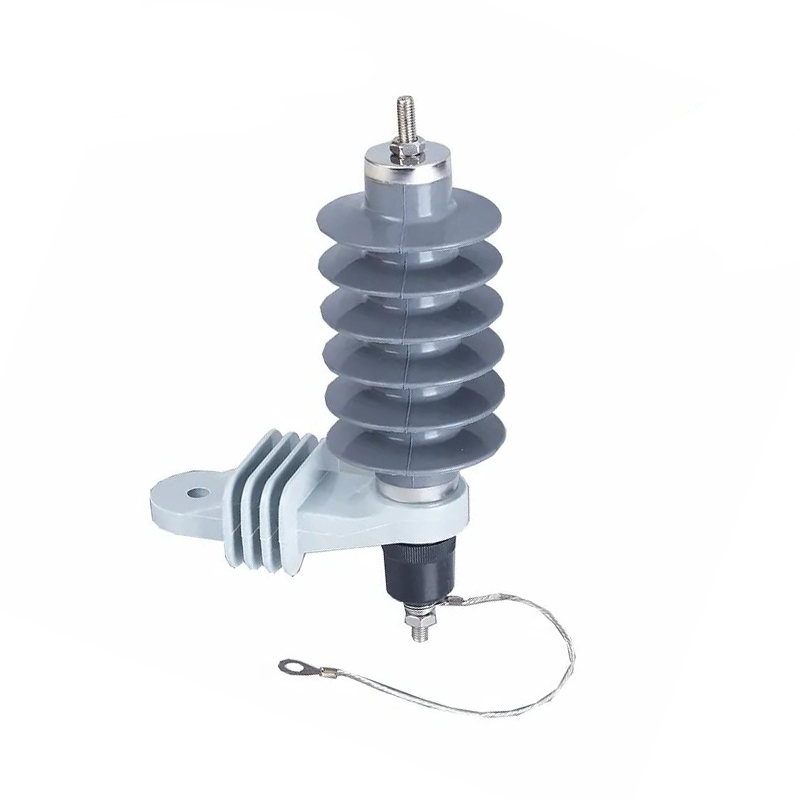
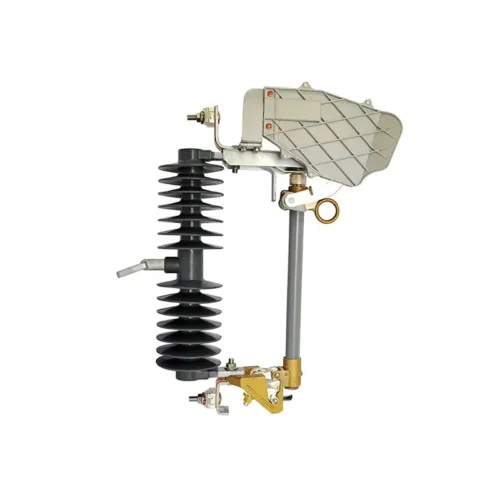
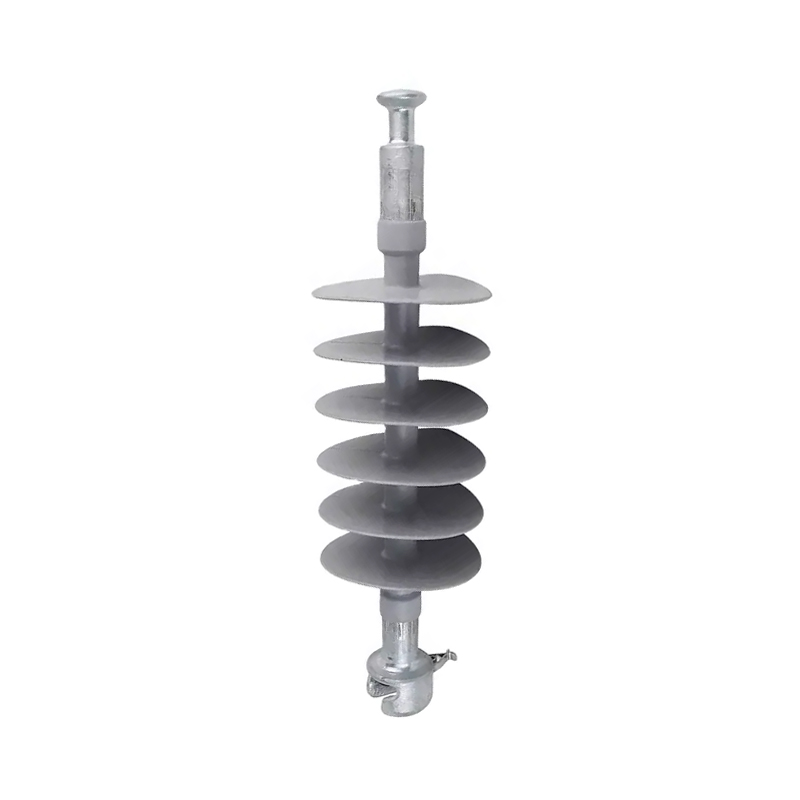
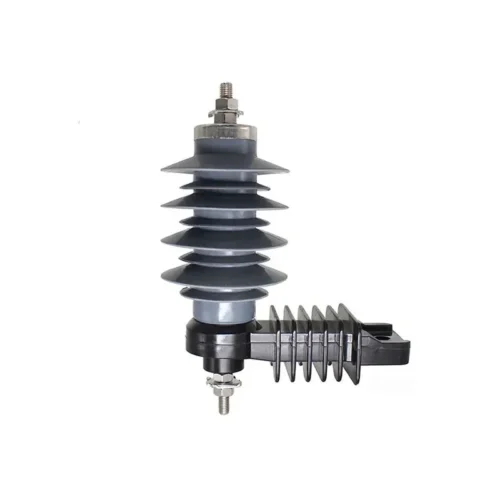
- Polymer insulators have gained popularity thanks to their lightweight design, superior hydrophobicity, and flexible properties. As they are less prone to surface pollution and easier to install, polymer insulators are often selected for modern overhead transmission and distribution networks.
- Glass insulators, though not as common today, still offer high dielectric strength and good visual inspection capabilities since damage and contamination are easily spotted. They are sometimes used in specialized settings where these features are valuable.
Each of these types comes with distinct advantages and limitations, making the choice of insulator material a key factor in system design and performance.
Transmission Line Insulator Applications
Insulator solutions are integral for transmission lines carrying electricity over vast distances. In these contexts, the insulator's function is to support and isolate conductors, ensuring no leakage or unwanted grounding occurs. Porcelain and polymer insulators are most frequently deployed along overhead lines, as their robust mechanical properties guarantee reliability during strong winds, storms, or heavy mechanical loads. Polymer insulators, in particular, have revolutionized the field by enabling lighter installations and reducing maintenance costs.
Moreover, transmission line insulators must withstand not only electrical stresses but also environmental challenges like pollution, salt fog, ice, and UV rays. Selecting and installing the correct insulator type ensures energy is transmitted with minimal loss and protects both equipment and personnel during routine inspections.
Substation Insulator Applications
Substations act as the control centers for electrical grids, demanding advanced safety protocols and specialized equipment. Here, insulator choices are central to system integrity. Insulators are deployed to separate live parts from grounded structures and other equipment, preventing accidental shocks and operational malfunctions. They are also essential in isolating switchgear, transformers, and busbars, where high voltages and fluctuating loads are common.
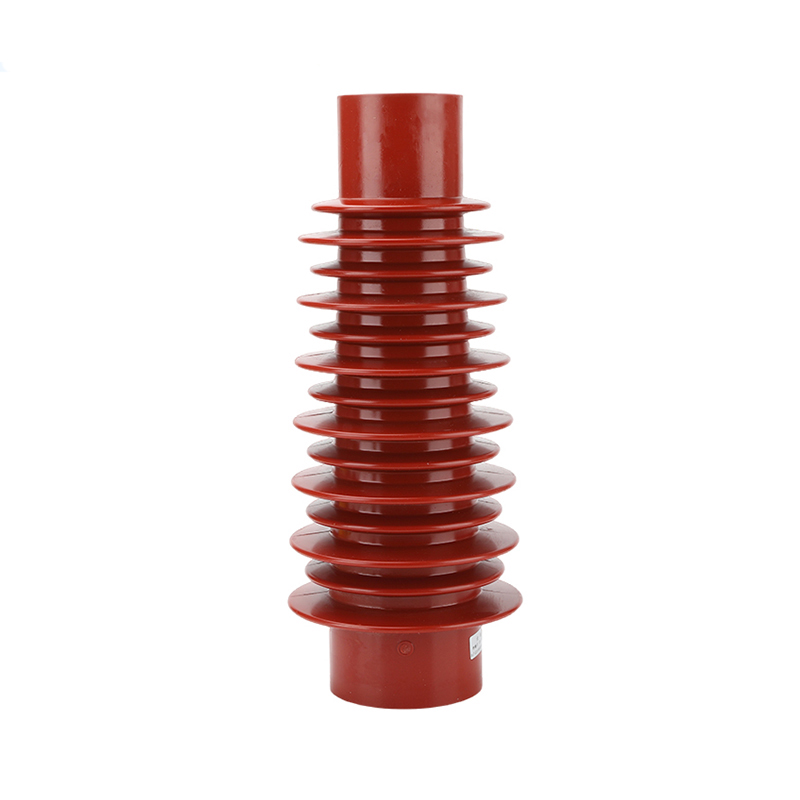
Porcelain insulators are traditionally favored for substations due to their resistance against surges and their robustness in polluted or humid environments. Polymer insulators, with their improved resistance to tracking and erosion, are quickly becoming the standard for new installations, especially where maintenance accessibility is limited.
How to Select the Right Insulator for Each Application
Choosing the correct insulator for your electrical project involves careful evaluation of technical and environmental parameters. Key factors include:
- Voltage Rating: High-voltage applications require insulators with greater dielectric strength and spacing.
- Mechanical Load: Insulators must handle physical stress from wind, tension, and vibration.
- Installation Environment: Consider pollution, humidity, temperature variations, and UV exposure.
- Maintenance Requirements: Polymer insulators typically require less frequent cleaning, while porcelain types endure more rigorous conditions.
- Longevity and Reliability: Selecting durable materials minimizes downtime and replacement costs.
Understanding these variables and how they influence insulator performance will help engineers and buyers optimize their systems for lasting efficiency and safety. Consultation with manufacturers and referencing industry standards can also aid the selection process.
FAQ
Where are insulators used in transmission lines?
Transmission line insulators support and isolate conductors from towers and poles, preventing current leakage to the ground while withstanding mechanical loads from wind, ice, and conductor tension.
Do polymer insulators last longer than porcelain?
Polymer insulators typically have a service life of 20–30 years, comparable to porcelain. However, they require less maintenance due to their self-cleaning hydrophobic surface, which can reduce lifecycle costs.
Can insulators be used in coastal or highly polluted areas?
Yes. Polymer insulators are particularly well-suited for coastal and polluted environments due to their hydrophobic surface that repels water and contaminants, reducing the risk of flashover.
How do glass insulators indicate damage?
Glass insulators have a self-shattering characteristic—when damaged by electrical stress or impact, the glass disc shatters completely, making the fault immediately visible from the ground during visual inspection.
In summary, insulators are the foundation of safe, reliable electrical systems. Their ability to prevent electrical faults, protect infrastructure, and enable efficient power flow is unparalleled. By understanding the key types, proper applications, and thoughtful selection criteria, you can ensure your electrical project's success and long-term security.