 +86 15657752999

0102030405
Fuse Cut Out: Installation, Maintenance & Safety
2026-10-14
The fuse cut out is an important part of electrical distribution systems for equipment safeguard and operational safety. Its applications either in overhead lines, substations or industrial enterprises is making it an important tool for protection from overloads and short circuits achieved through cutting off power in case of a malfunction. This article will describe different types of fuse cut outs, their installation procedures and maintenance process, safety rules, troubleshooting tips, and answers to frequently asked questions in order to help you achieve reliability of your electrical distribution systems.
Understanding Fuse Cut Outs and Their Uses
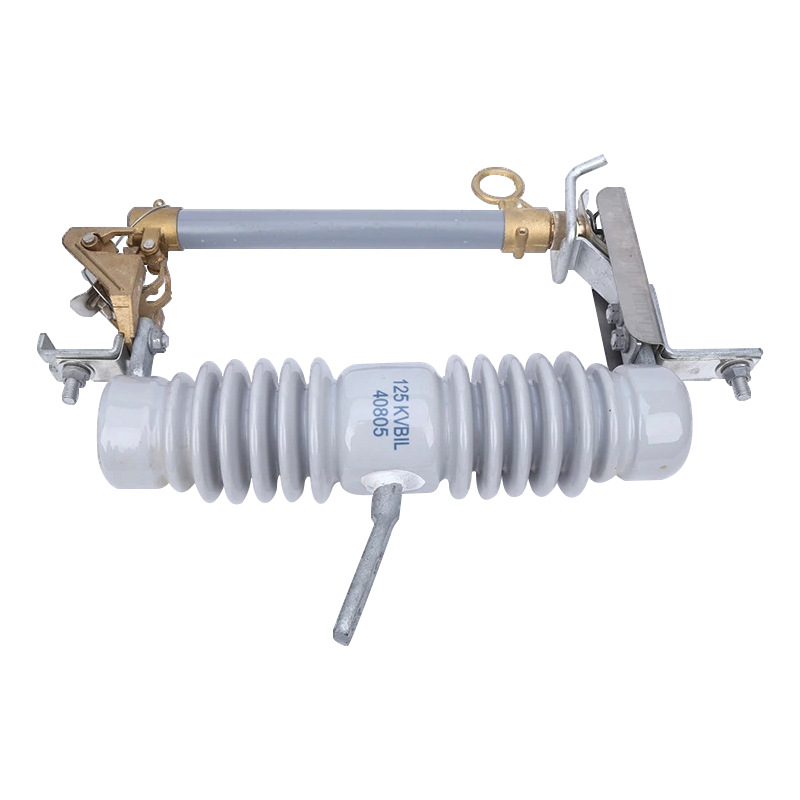
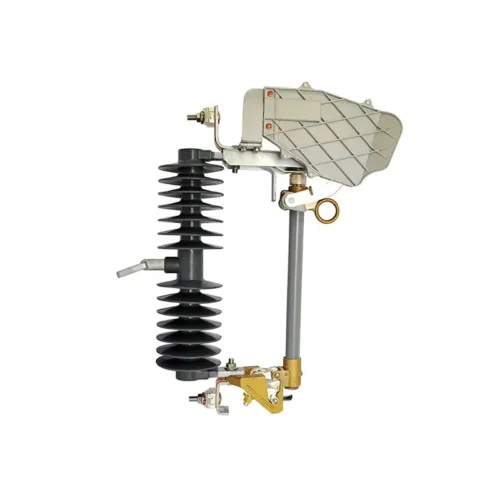
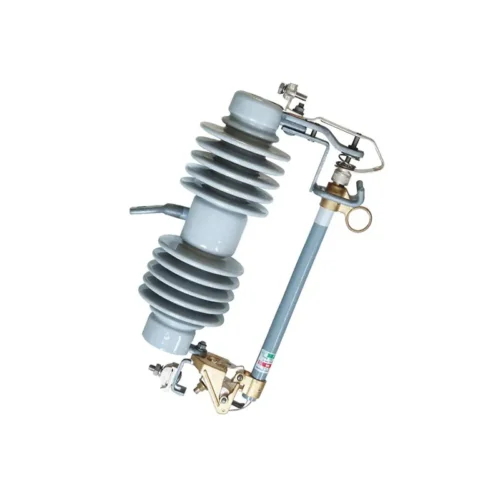
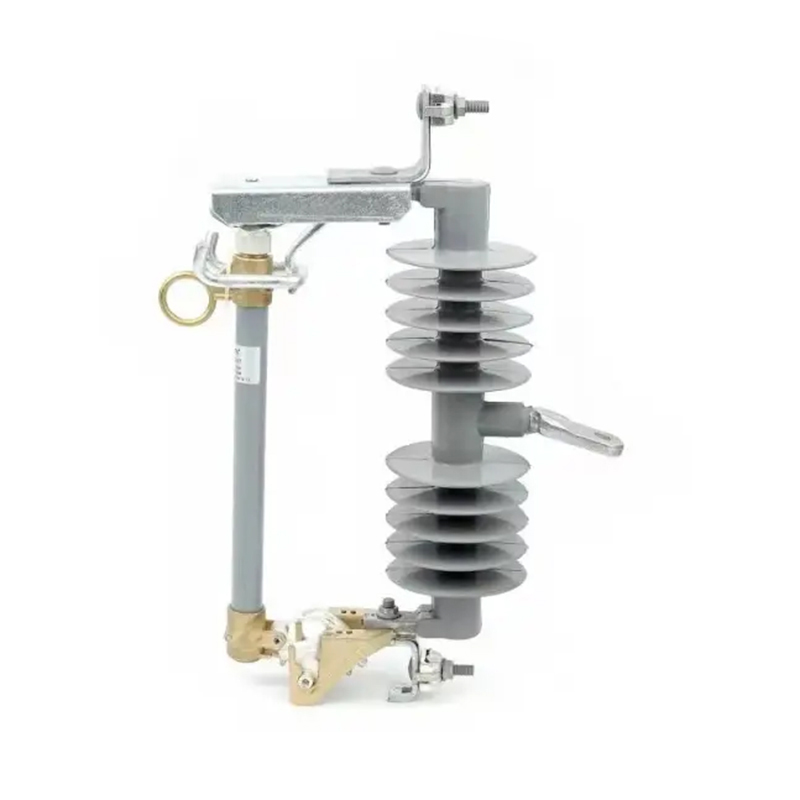
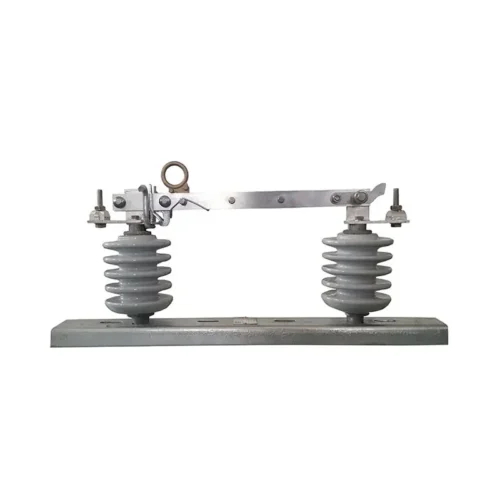
A cutout fuse is a switchable device with a fuse that deforms in case of the overcurrent and breaks the circuit. It serves to prevent damage to equipment, mitigate fire hazards, and enable quick fault isolation. Its types include the fuse cutout switch (which is operated manually) and the fuse cutout box (providing protection against environmental factors).
Installing a Fuse Cut Out
Correct installation is essential for safety and optimal performance:
First of all, choose a fuse cutout whose rating corresponds to the necessary voltage and current values in your expert system. Install the cutout on a solid construction element and make sure that the connections are good and adapted to current flow. If you fail to do this, you may injure yourself when working with electricity so please use safety equipment and insulated working tools. After mounting of the device, place in the right fuse element and check the connections one more time.
Routine Maintenance for Fuse Cut Outs
Regular maintenance leads to fewer breakdowns, and leads to a longer lifespan of the device. Inspect the fuse cut outs regularly: The fuse cut outs should be checked for corrosion, damage, and contamination. Respective actions should be carried out. Inspect the fuse elements for signs of wear and damage. In case of outdoor models, ensure the enclosure is sealed against moisture. Maintain records of all inspection results.
Essential Safety Practices
Safety is paramount when working around any electrical component:
Prior to commencing work, isolate any source of power by utilizing lockout-tagout protocols. Be dressed appropriately in PPE that include insulated gloves and eyewear for eye protection, and personal protective gear suitable for the job. Also ensure the working area is clean and dry, as well as using insulated tools. Before contacting conductors, make sure to use a tester to confirm that the circuit has been disconnected. Whenever possible, work with a helper to provide supervision.
Troubleshooting Common Faults
There could be a variety of problems affecting fuse cut outs. If a fault occurs and the circuit remains open, a blown fuse must be replaced. In case of overheating or discoloration at terminals, connections should be tightened and load verified. Any fuse components that may be experiencing wear and tear or malfunctioning should be replaced. If fallout results in insulator contamination, all surfaces should be cleaned and checked for any cracks. If there are signs of physical damage, that part needs to be replaced immediately.
FAQs About Fuse Cut Outs
How the fuse cut out is installed?
To fit the appliance in your requirements, fit it, connect it to the circuit as per requirement which is identified by the compliance, insert the fuse and ensure that the machinery functions correctly.
Which safety measures should be taken into account?
Make sure that you isolate power, and wear PPE and that you verify that a circuit is de-energized before handling equipment.
What are the signs of a damaged fuse cut out?
Some of the indicators are: frequent tripping, burnt joints and/or loose connections, cracks on the body, and detection of voltage during servicing activities.
What is the average lifespan of fuse cut outs?
With proper maintenance, usually between 10 and 20 years, but environmental factors may decrease longevity.
Available options today feature a modern smart fuse cut-out with remote monitoring and alert features for better reliability and efficiency in maintenance.
Fuse cut outs play an important role in guaranteeing electrical safety and protection. It is crucial that the correct unit is chosen, appropriate installation and maintenance practices are followed, necessary safety measures are observed, and any failures are promptly resolved in order to maintain the proper functioning of the electrical systems.