+86 15657752999


0102030405
Fuse Cut Out: Structure, Working Principle, and Applications
2026-08-10
When it comes to the field of electrical power systems, everything revolves around safety and reliability. One important element to take into account is the Fuse Cut Out. Even though it may not usually be given as much importance, the device is very important for the protection of electrical systems against overloading and short circuits. In the following article, we will analyze the construction, working principle, and application of the Fuse Cut Out, as well as help those interested in learning about its significance in current power systems.
What Is a Fuse Cut Out?
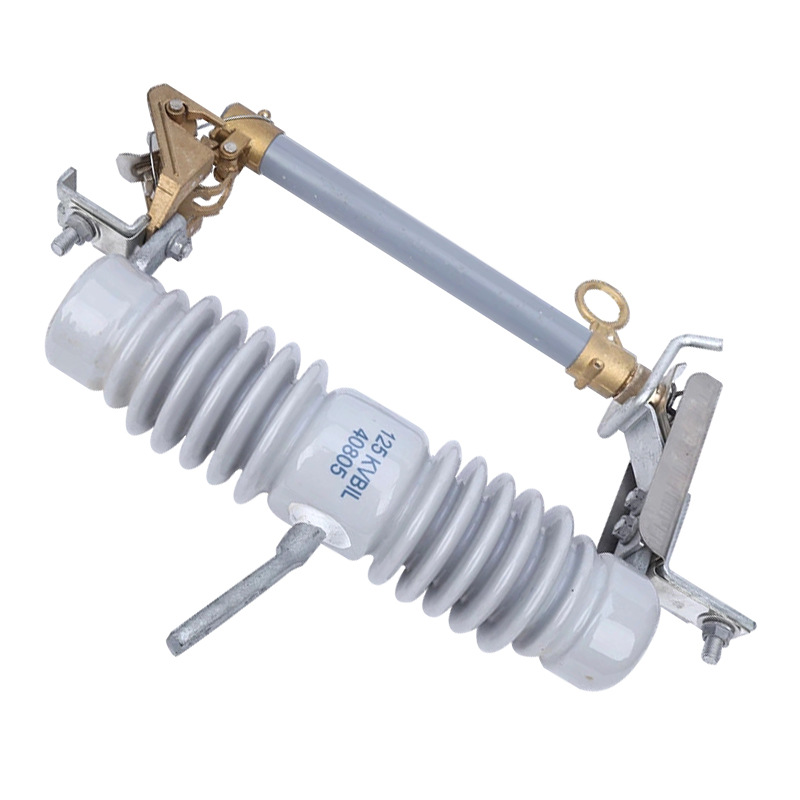
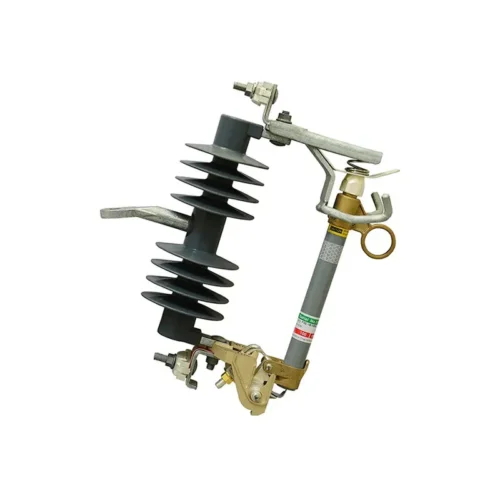
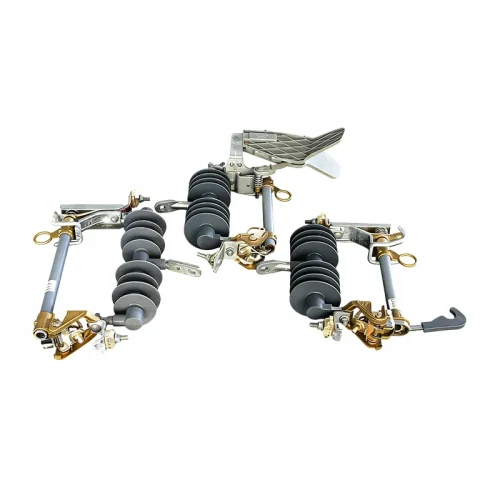
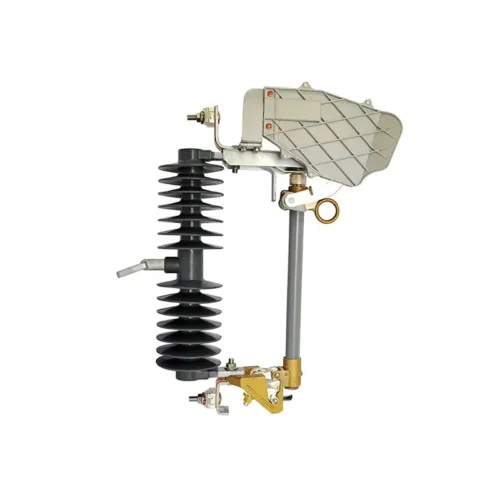
A fuse cut out is a type of electric safety device used mainly in high-voltage distribution systems. Its job is to disconnect the electrical supply when there is a short circuit or overload. This ensures that the electrical circuit continues to function properly and safely during the fault, which could cause damage to the electrical apparatus. Fuse cutouts usually are used in overhead line systems and play an important role in the management of secondary networks.
Structure and Main Components
The structure of a fuse cut-out is quite elementary but very efficient. Some of the key components are:
- Fuse Element: The core of the cutout is termed the fuse element, made of material that conducts electricity and melts under excessive amount of current, thus interrupting the circuit.
- Providing insulation: It forms a shield from any environmental influences and protects the fuse, thus guaranteeing the safety of the employees.
- Working Principle: It is frequently a dropout mechanism making sure that the fuse drops out by itself without application of any mechanical interference.
- Connection Terminals: For easy installation and connection to the power lines.
How It Works: The Drop-Out Mechanism
An understanding of the working of a Fuse Cut Out is important. When there is an overload condition or a fault in the electrical circuit, the excess current passes through the fuse element. Once the current rises beyond its rated capacity, the fuse element melts, disconnecting the electricity supply. The dropout mechanism then removes the fuse from operational requirements by either falling downwards into a safe position or being locked out, depending on the design. This ensures the circuit remains safe, and the equipment upstream is protected.
Typical Applications in Power Systems
In power systems, Fuse Cut Outs serve in multitude applications. Some of their most common applications are:
- Distribution lines overhead: Majorly utilized in rural and urban overhead power distribution system for safeguarding purposes against faults.
- Transformers: They protect transformers from overloads and ensure energy distribution systems operate efficiently.
- Substations: Fuse cutouts are frequently used at substations where voltage regulation is important.
- Renewable Energy Systems: As the use of solar power and wind power is increasing, Fuse Cut Outs started gaining popularity for the safeguarding of converters and inverters in such systems.
Frequently Asked Questions (FAQs)
What is the lifespan of a Fuse Cut Out? The longevity of fuse cutouts may differ, depending on the work conditions and how often faults occur. Proper maintenance will ensure a longer lifespan.
Can Fuse Cut Outs be reset? Usually, Fuse Cut Outs are made in such a way that they must be changed instead of being reset because once the fuse element is broken, it cannot go back to its previous state.
Are there different types of Fuse Cut Outs available? Indeed, the various types can include thermal fuse cut-outs, electric fuse cut-outs, etc., and they serve different purposes and applications.
To summarize, Fuse Cut Out is significant for the safety and reliability in the power distribution system. Its easy design, effective method of protection, and availability of multiple applications make it exceptionally useful in electrical engineering. It is good to understand the working principle of this device and its applications to enhance safety measures and functions of the power systems.