+86 15657752999


0102030405
Fuse Cutout with Lightning Arrester: A Practical Overview
2026-04-01
If you work with overhead power distribution, you have likely seen a fuse cutout with a lightning arrester mounted on a pole near a transformer. This common combination protects equipment from two different threats: overcurrents and voltage surges. The fuse cutout handles short circuits and overloads by physically opening the circuit, while the lightning arrester diverts high-voltage spikes often from lightning strikes safely to ground. Together, they offer a simple, reliable protection solution trusted in utility and industrial applications for decades.
What Is a Fuse Cutout?
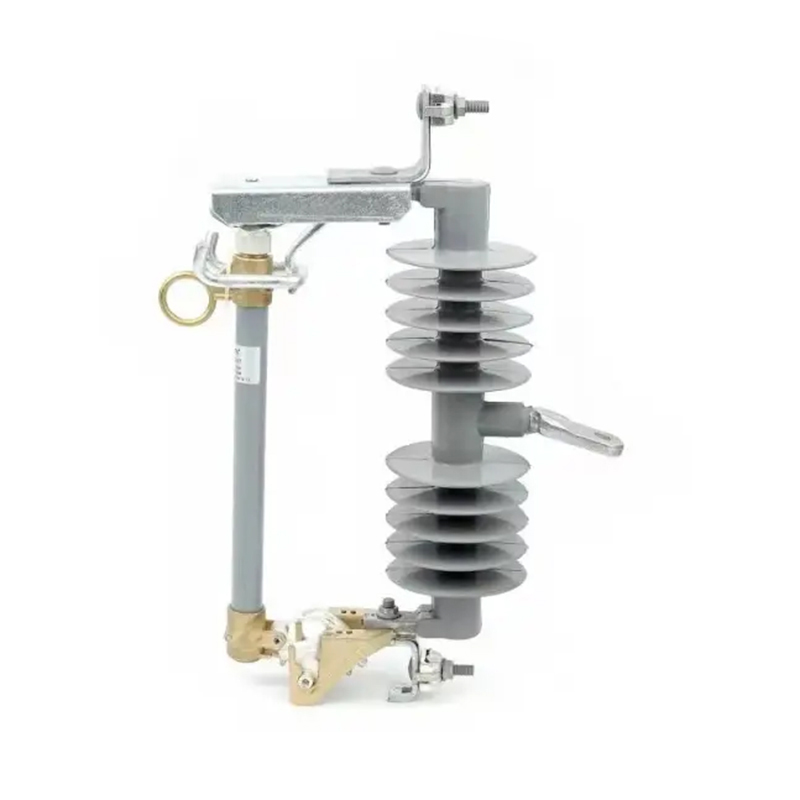
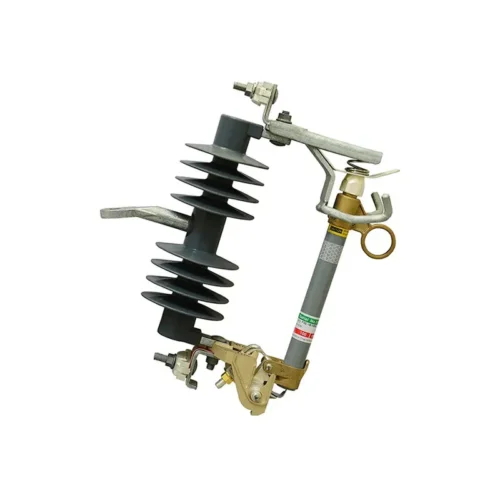
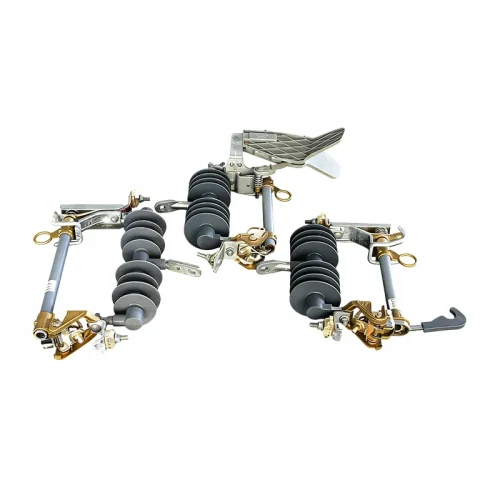
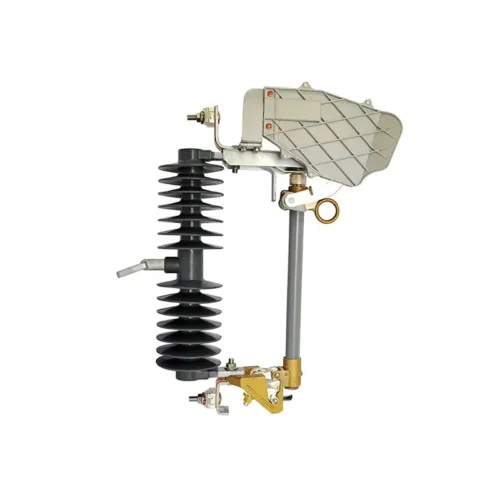
A fuse cutout is an overcurrent protection device for overhead lines. It consists of an insulating body usually porcelain or polymer that holds a fuse holder with a replaceable fuse link inside. When a fault occurs, the fuse link melts and the fuse holder swings open, dropping to a visible hanging position. This gives line crews an immediate visual indication of which device has operated.
The fuse cutout is valued for its straightforward design and dependable performance. It is commonly installed on the primary side of distribution transformers, on branch lines, and at other points where quickly isolating a fault helps keep the rest of the system running. Because it relies on no complex electronics, it performs well in harsh outdoor environments where reliability matters most.
What Does the Lightning Arrester Do?
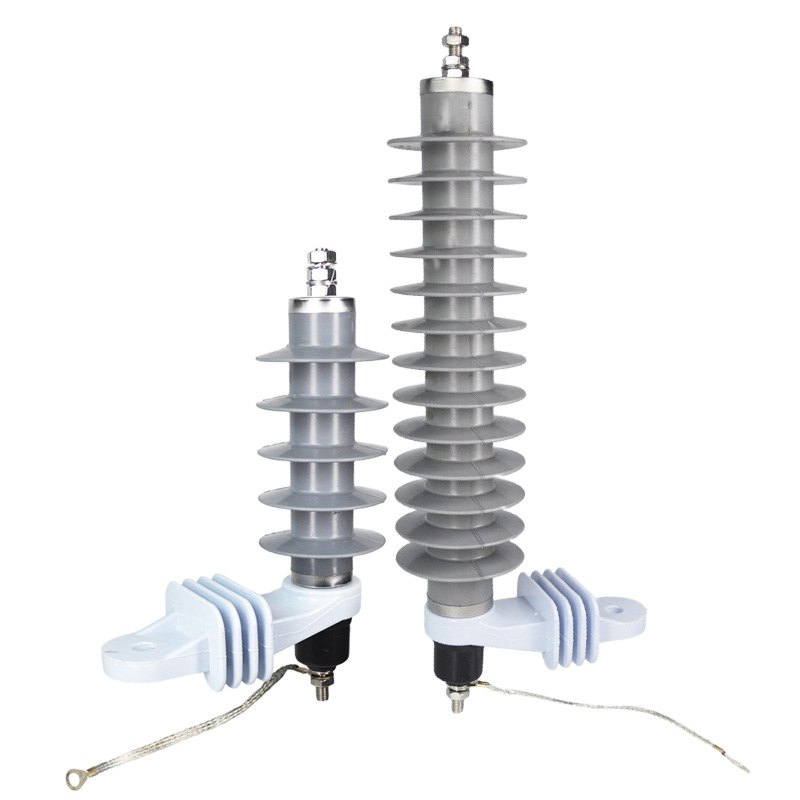
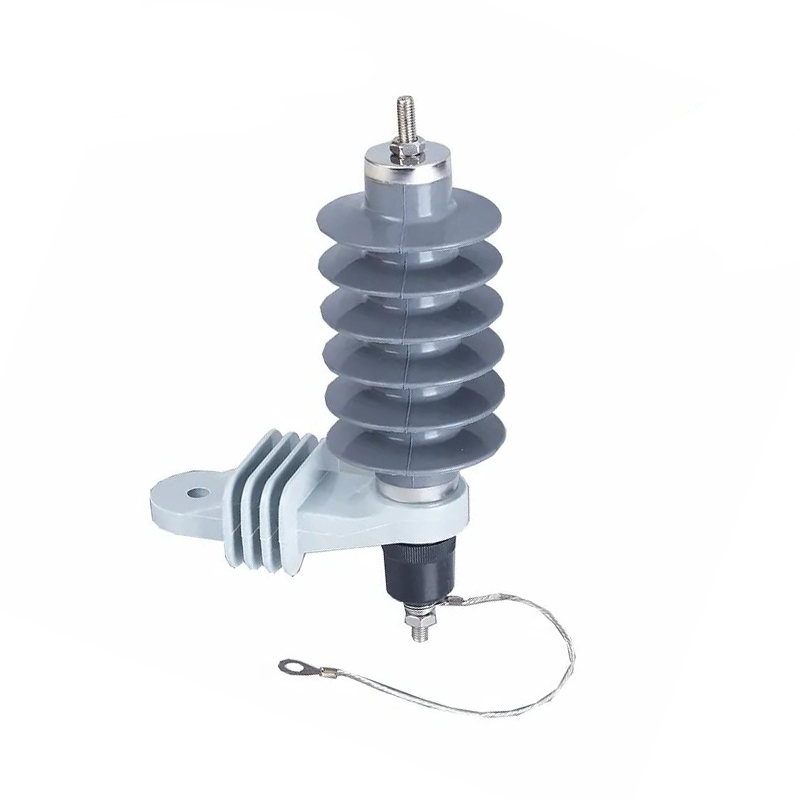
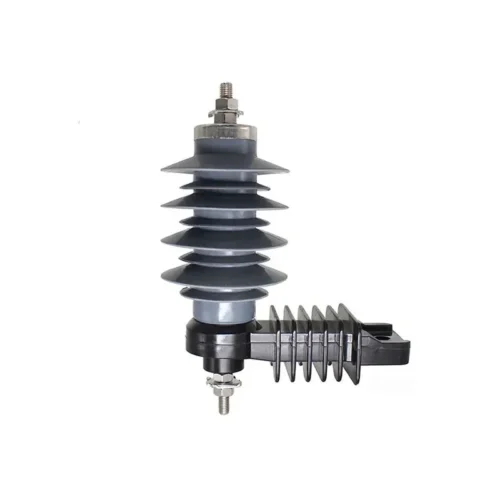
The lightning arrester works alongside the fuse cutout to address a different threat. While the fuse cutout responds to sustained overcurrents, the arrester reacts to brief, high-voltage events. When a lightning strike or switching surge sends a voltage spike down the line, the arrester conducts momentarily, sending the excess energy to ground. Once the surge passes, it returns to its normal state.
Without a lightning arrester, even a nearby strike can cause insulation failure, winding damage, or complete equipment failure. Mounting an arrester adjacent to the fuse cutout adds surge protection exactly where it is needed typically at the transformer or a critical tap point.
Why Use a Fuse Cutout with a Lightning Arrester?
Putting these two devices together on the same pole or transformer mount makes practical sense. It combines overcurrent protection and surge protection into one compact location, which simplifies installation and reduces the number of components to manage. Ensures that the transformer or other protected equipment has both forms of protection at the same point.
For utility crews and electrical contractors, this setup is familiar and easy to maintain. When a fuse cutout operates, the visible drop tells them exactly where to look. The nearby lightning arrester continues to guard against surges, helping to prevent secondary damage after a fault has been cleared.
Key Benefits
Visible Fault Indication
When the fuse link blows, the fuse holder drops down, creating a clear visual marker. This allows crews to locate the fault quickly without testing every device along the line.
Cost-Effective Protection
Compared to reclosers or circuit breakers, the combination of a fuse cutout and lightning arrester is an affordable option. Components are widely available and installation is well understood.
Localized Isolation
Because the fuse cutout is installed at specific points such as transformer primaries or branch taps a fault only affects the section immediately downstream. This limits outage areas and keeps the rest of the network operational.
Built for Outdoor Use
Both devices are designed to withstand sun, rain, temperature swings, and other environmental challenges. They require minimal maintenance and perform reliably over many years.
Where This Combination Is Used
You will find a fuse cutout with a lightning arrester in a variety of settings:
●Utility distribution systems: Protecting pole-mounted transformers and lateral lines
●Industrial facilities: Serving as primary protection for incoming power feeds
●Renewable energy sites: Safeguarding step-up transformers in solar farms and wind installations
●Rural and remote locations: Providing reliable protection where maintenance access may be limited
How to Choose the Right Components
Selecting the right fuse cutout and lightning arrester starts with understanding your system’s voltage and fault current levels. The fuse cutout must be rated for the line voltage and capable of interrupting the available fault current at the installation point. Fuse links should be chosen based on the transformer size or the load being protected, with attention to time-current characteristics that allow for startup inrush without nuisance operation.
For the lightning arrester, key factors include the maximum continuous operating voltage and the discharge voltage rating. In areas with frequent lightning activity, a lower discharge voltage offers tighter protection. Important to ensure that the mounting configuration works with your existing pole hardware, especially if you are using a shared bracket.
Installation and Maintenance Tips
Proper installation ensures long-term reliability. The fuse cutout should be mounted at an angle that allows the fuse holder to drop freely when it operates. The lightning arrester requires a short, direct path to ground using properly sized grounding conductors.
Routine maintenance is straightforward. Inspect the fuse cutout for corrosion, tracking on the insulator, or mechanical damage. Make sure the fuse holder moves freely and that the fuse link is properly seated. For the lightning arrester, check for cracks in the housing or signs of flashover, and verify that the ground connection remains secure.
Common Questions
Does the fuse cutout protect against lightning?
No. The fuse cutout responds only to overcurrent conditions. Lightning protection is provided by the arrester.
Can I replace the lightning arrester without replacing the fuse cutout?
Yes. The two devices are separate components and can be replaced independently.
How do I know when a fuse cutout has operated?
The fuse holder swings down to a hanging position, providing a clear visual indication. Some models also accept blown-fuse indicators for easier spotting from the ground.
Is a lightning arrester always necessary with a fuse cutout?
Not always, but it is strongly recommended. Without an arrester, transformers and other equipment remain vulnerable to voltage surges that can cause gradual insulation breakdown or sudden failure.
Summarize
A fuse cutout with a lightning arrester is a time-tested combination that delivers dependable protection for overhead distribution systems. The fuse cutout handles overcurrent events with a simple, visible operation, while the lightning arrester protects against the hidden threat of voltage surges. Together, they help reduce downtime, protect valuable equipment, and keep electrical systems running safely. Whether you are specifying components for a new installation or maintaining an existing network, understanding how these two devices work together helps you make informed decisions that support long-term reliability.