+86 15657752999


0102030405
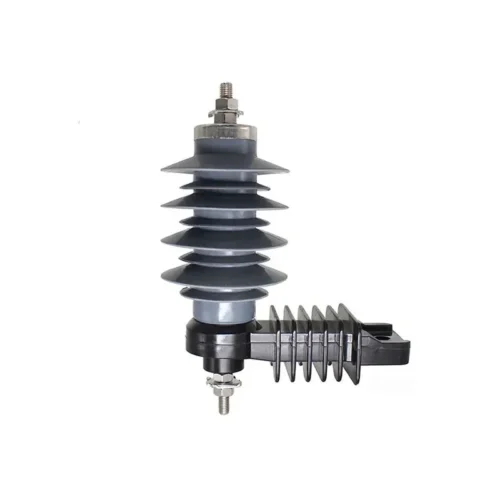
High Voltage Drop Out Fuse for Power Distribution
2026-09-30
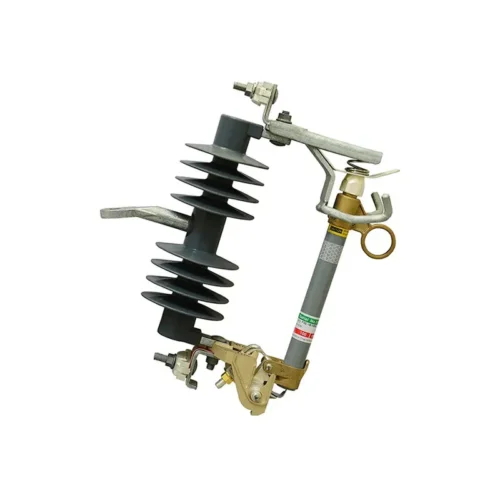
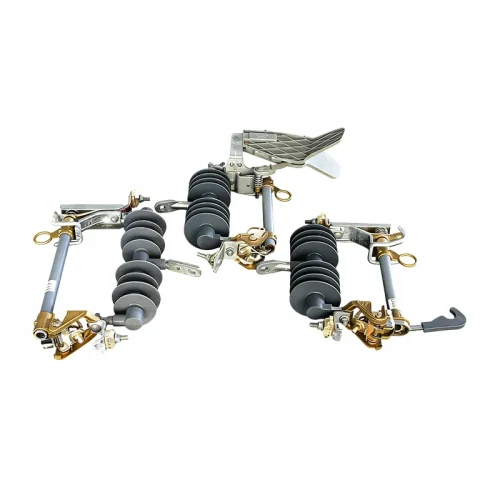
Drop Out Fuse is a critical protection device in high voltage power distribution networks, offering both reliable fault isolation and easy maintenance identification. This article introduces the essentials of high voltage drop out fuses, including their working principle, applications, selection advice, and installation tips to assist both engineers and buyers in making informed decisions.
Understanding High Voltage Drop Out Fuse
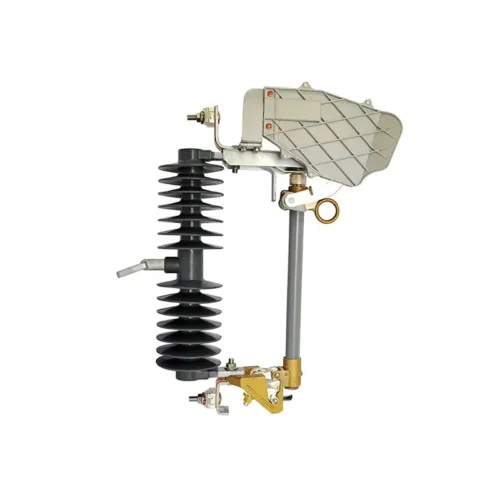
A drop out fuse is designed to protect overhead lines and transformers. When overcurrent occurs, the fuse melts, causing the tube to pivot (“drop out”) and disconnect the circuit. This visual signal makes maintenance straightforward. Commonly used at 11 kV and 33 kV voltage levels, these devices are favored for their simplicity, robustness, and effectiveness in system protection.
Working Principle & Applications
The fuse element inside a drop out fuse responds to excessive current by heating up and melting, resulting in an open circuit. The drop out mechanism ensures instant isolation, preventing damage from faults such as short circuits. Typical applications include:
- Protection of overhead lines
- Safeguarding distribution transformers
- Isolating faulty branch circuits in substations
Especially in transformer protection, a well-selected drop out fuse disconnects equipment quickly, minimizing risks and system downtime.
Types & Selection Guide for Drop Out Fuses
Drop out fuses vary by voltage rating and capacity, with the 11 kV drop out fuse and 33 kV drop out fuse as popular choices. Selecting the right fuse requires attention to voltage and current ratings, breaking capacity, and environmental resilience. Only fuses certified to national standards should be used, and compatibility with transformer requirements is essential for effective protection.
Benefits of Drop Out Fuses in Power Distribution Systems
Key advantages include:
- High reliability and quick response to faults
- Visual indication for swift maintenance
- Cost efficiency compared to circuit breakers
- Arc extinction features that protect equipment and personnel
These qualities make drop out fuses ideal for both urban and rural power distribution.
Installation Tips
Correct installation ensures performance and safety:
- Mount fuse cutouts securely and align tubes for proper drop action
- Maintain safe clearances to prevent accidental contact
- Use quality connectors and materials rated for outdoor exposure
- Train personnel on handling and replacement procedures
Routine inspections and keeping accurate maintenance records further enhance network reliability.
FAQ: High Voltage Drop Out Fuse
Q1: How does a drop out fuse protect a transformer?
It disconnects the transformer from the network during faults, reducing risk and preventing equipment failure.
Q2: What factors should be considered when choosing a drop out fuse?
Voltage and current ratings, breaking capacity, compliance with standards, and environmental durability.
Q3: Can drop out fuses be used in smart grid systems?
Yes, integrating drop out fuses with monitoring sensors allows real-time fault detection and maintenance tracking.
In summary, high voltage drop out fuses are proven devices for securing power distribution systems. By understanding their operation, applications, and selection principles, utilities and buyers can optimize protection and simplify maintenance. Whether used in transformer circuits, overhead lines, or modern grids, drop out fuses deliver reliable, cost-effective fault isolation that supports safer, more efficient electrical infrastructure.