+86 15657752999


0102030405
How Does A Lightning Arrester Work?
2026-03-19
Lightning is a powerful natural force that can cause significant damage to buildings, electrical systems, and even human lives. This is where a lightning arrester plays a crucial role. Designed to protect electrical equipment and structures from high voltage surges caused by lightning strikes, it is an indispensable safety device in residential, commercial, and industrial setups. But how does it work? In this article, we will delve into the working principles of a lightning arrester, explore its benefits, and address some common questions related to this critical safety tool.
What Is a Lightning Arrester?
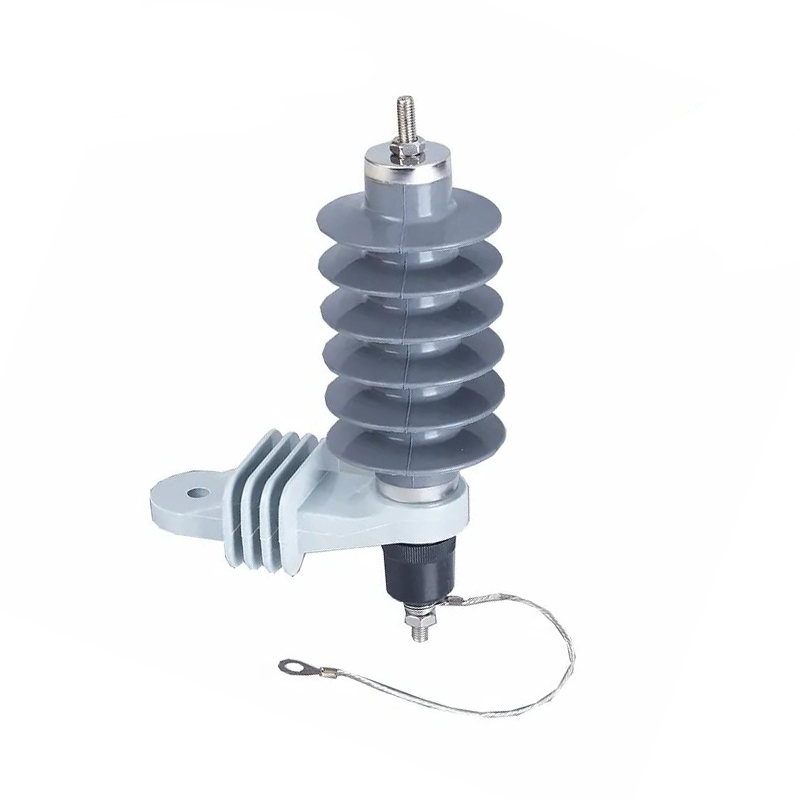
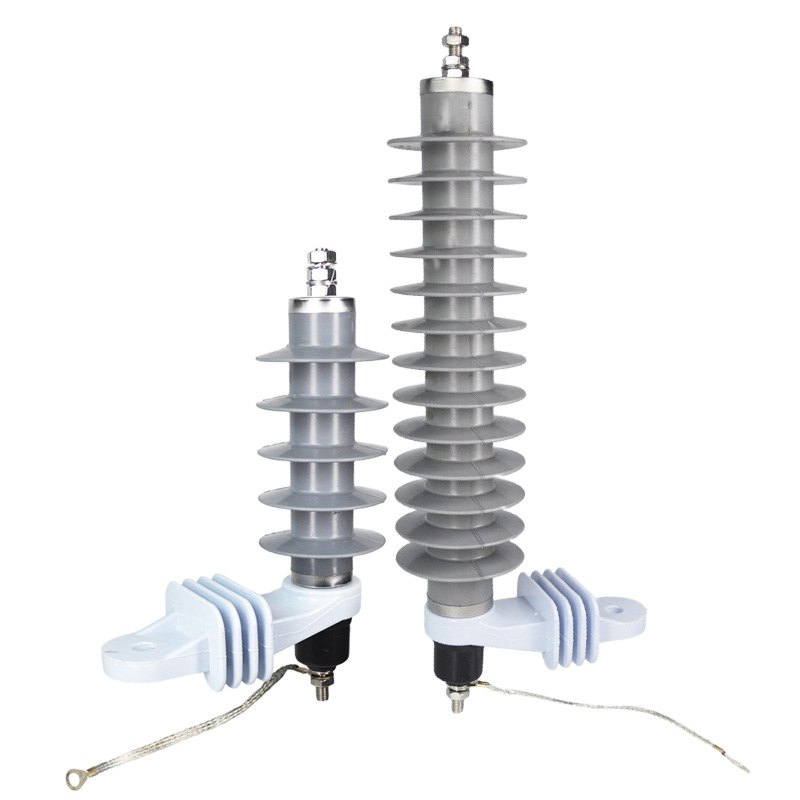
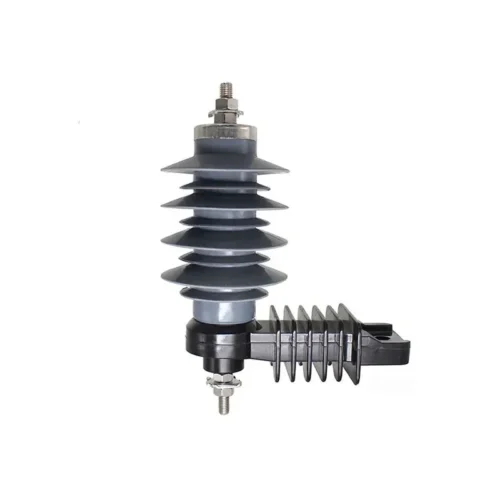
A lightning arrester, also referred to as a surge arrester, is a device that protects electrical equipment from lightning-induced voltage spikes. It is typically installed on electrical power systems and telecommunications lines, acting as a barrier against potentially damaging surges. By diverting the high voltage to the ground, it prevents the excessive current from reaching and damaging connected equipment.
How Does a Lightning Arrester Work?
The basic working principle of a lightning arrester involves providing a low-resistance path for high-voltage lightning or surge currents to flow to the ground, thereby protecting the main equipment. Here's a step-by-step breakdown:
- When lightning strikes or a surge originates, the voltage in the power system spikes rapidly.
- The lightning arrester detects this high voltage. Under normal conditions, the arrester remains inactive and does not interfere with the power system.
- At the moment the voltage exceeds a certain threshold, the arrester becomes active. Its internal structure, often made of a gapless varistor, a zinc oxide (ZnO) material, conducts the surge safely to the ground.
- After the high voltage subsides, the arrester immediately reverts to its inactive state, allowing the system to function normally without interruption.
Modern designs, such as the polymer lightning arrester, provide improved performance and durability compared to older ceramic-based models. Polymer arresters are lightweight, weather-resistant, and can handle extreme environmental conditions.
Benefits of Installing a Lightning Arrester
Why is installing a lightning arrester so important? Here are the key benefits:
- Protection of Electrical Equipment: It safeguards critical assets, such as transformers, switchgear, and other sensitive components, from damage caused by voltage surges.
- Prevention of Downtime: By protecting equipment from surges, the arrester reduces operational interruptions and enhances system reliability.
- Cost Savings: Avoiding damage to high-cost devices and reducing repair or replacement expenses make lightning arresters a worthwhile investment.
- Safety: Preventing electrical fires and reducing the risk of injury to personnel ensures a safe environment.
FAQ: Common Questions About Lightning Arresters
1. What is the working principle of a lightning arrester?
The working principle of a lightning arrester is based on providing a low-resistance path for high voltage surges to flow to the ground. It activates only when there is a high voltage surge, protecting the electrical system by diverting the excess energy away.
2. Can a lightning arrester prevent damage?
Yes, a lightning arrester prevents damage by limiting the transmission of high voltage to electrical equipment during a lightning strike or power surge. It redirects the excess energy to the ground and protects connected devices.
3. How do I know if my lightning arrester is working?
To ensure your lightning arrester is functioning, conduct routine inspections and maintenance checks. Many modern systems are equipped with indicators that show their operational status. If you suspect an issue, consult a professional to test or replace the arrester if necessary.
4. Can lightning strike with an arrester?
Yes, lightning can still strike the area where an arrester is installed. However, the arrester's job is to mitigate and safely discharge the high voltage surge caused by the strike, preventing damage to the protected equipment.
Key Factors to Consider When Selecting a Lightning Arrester
When purchasing a lightning arrester, it’s important to consider the following factors:
- Voltage Capacity: Ensure the arrester is suitable for the voltage level of your system.
- Material: Choose between polymer and ceramic models depending on environmental conditions and durability requirements.
- Brand Reputation: Reliable brands often offer better performance, quality assurance, and support.
- Compliance with Standards: Make sure the product adheres to international safety and quality standards, such as IEC or ANSI guidelines.
By carefully considering these factors, you can optimize the performance and lifespan of your lightning protection system.
Conclusion
A lightning arrester is a vital component of any electrical protection system, ensuring safety, reliability, and cost efficiency in the face of unpredictable lightning strikes and surges. Its ability to divert excessive voltage to the ground safeguards equipment and prevents damage, ensuring the continued operation of your electrical systems. By understanding how a lightning arrester works and addressing its associated concerns, you can make informed decisions about installation, maintenance, and selection.