+86 15657752999


0102030405
How Insulators Work: Simple Breakdown
2026-07-27
In today's world, It is important to know the basics of insulators, especially as the use of electrical tools and systems grows. No matter if you are into DIY or are interested in safety of electricity, this article will provide you with easily comprehensible information about the working of insulators, principles of insulators and types of insulators being used for various purposes from everyday activities to strong voltage projects.
What Is an Insulator?
An insulator can be referred to as a substance that does not allow the flow of electricity. Conductors, on the other hand, allow electricity to flow freely through them. The function of insulators is vital in preventing any accidental circuity from happening which means less energy loss and safe usage of electrical devices. Insulating materials can include rubber, glass, ceramics, and some types of plastic which enable atoms to stay in a tight formation without allowing for energetic electrons to move around freely.
How Insulators Stop Electrical Current
By forming a barrier against conductivity, insulators provide protection against accident contact between electrical installations. This helps to ensure that there is no unintentional contact, thus eliminating the risk of shock and fire. When a voltage is applied on an insulator, the electrons remain attached to the atoms from which they come from, thus preventing flow of current.
Key Properties of Insulating Materials
Several key properties define the effectiveness of insulating materials:
1. High dielectric strength: This property reflects the material's capacity to handle electrical fields without turning conductive.
2. Low thermal conductivity: Good insulators do not conduct heat, which helps prevent energy loss in electrical systems.
3. Chemical stability: Insulators must resist damage from environmental factors such as moisture and heat over time.
4. Mechanical strength: Insulating materials should survive physical stress without cracking or breaking when used in outdoor applications.
Common Types of Insulators
Numerous kinds of insulators exist, which are designed for particular applications. Here are some of the widely-used ones:
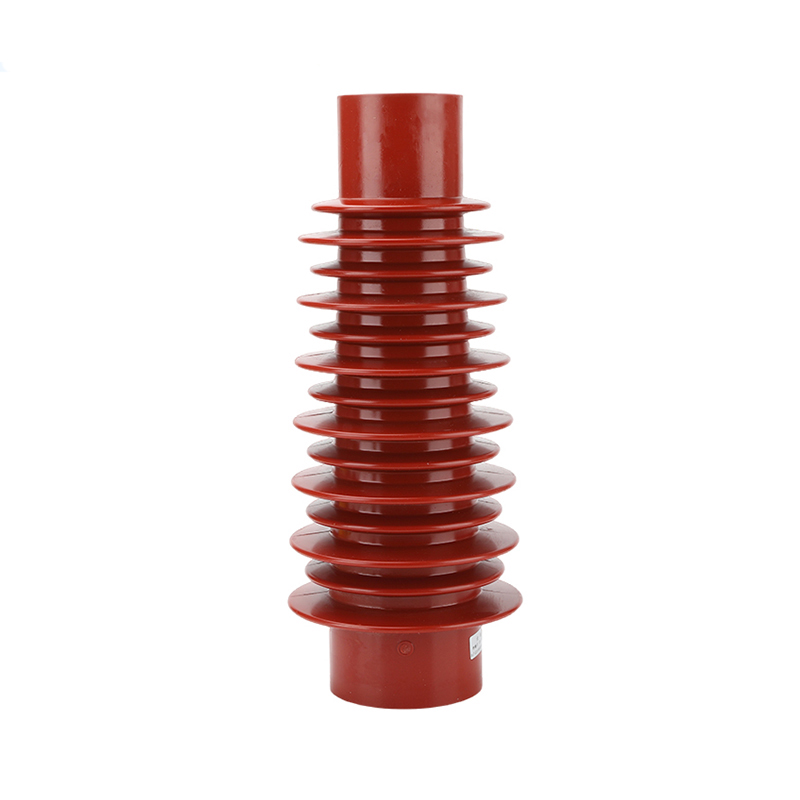
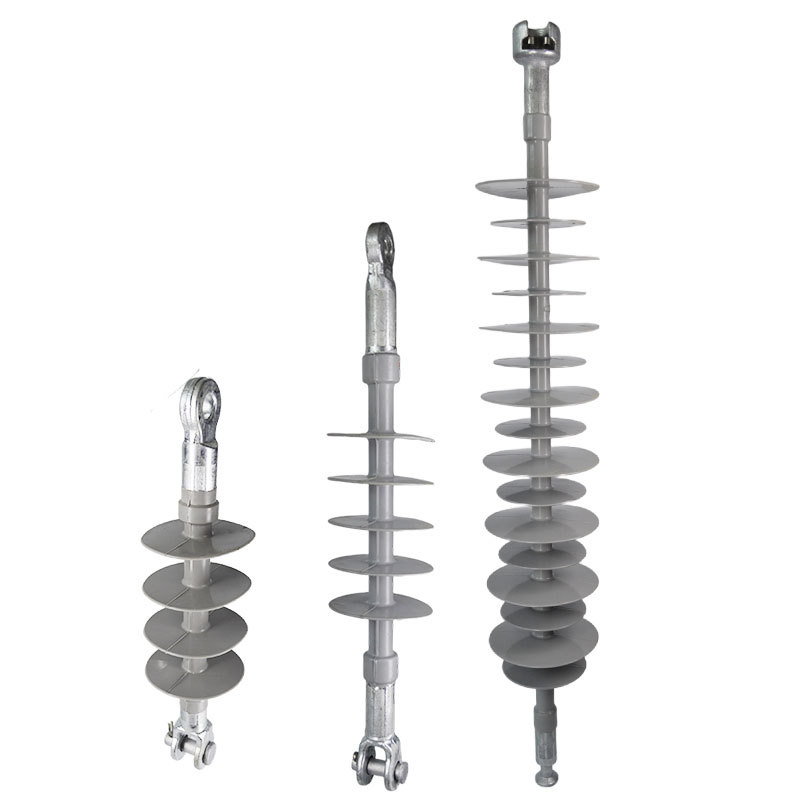
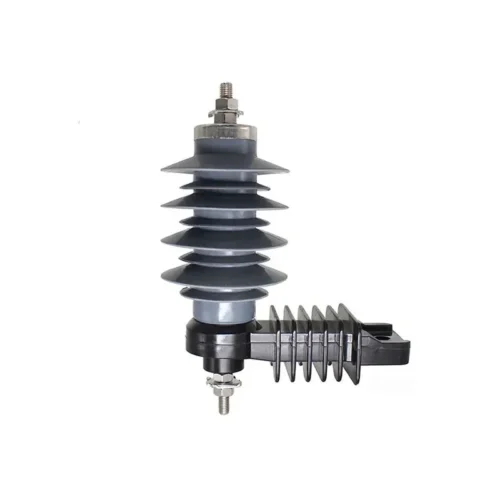
1. Electrical insulators: Usually created from substances such as glass or ceramic, these isolators are utilized in supporting and distancing electrical conductors.
2. Porcelain insulators: Porcelain insulators are a variety of electrical insulator which is recognized for its durability and high dielectric strength, which makes it useful for transmission of electricity outside.
3. Rubber insulators: Rubber insulators are commonly used in household devices and wires to provide superior protection from electric shocks and abrasion.
4. Plastic insulators: Plastics are lightweight materials, made into shapes used in items such as plugs and switches found in homes.
FAQs About Insulators
What is an insulator? An insulator refers to a substance that inhibits the passage of electric current and gives the safety and efficacy of electromagnetic systems.
How do insulators stop electrical current? Insulators are materials that act as barriers to make sure that electrons cannot flow freely, for which reason electrical currents cannot traverse them.
What are the key properties of insulating materials? Among the significant characteristics are high dielectric strength, low thermal conductivity, resistance to chemicals, and mechanical solidity
What are common types of insulators? Some of the most common types of insulators include ceramic electrical insulators, outdoor porcelain insulators, rubber insulators for household appliances and plastic insulators for different devices.
It is very important for someone who deals with electricity or any electrical systems to learn about insulators. Since the insulator is able to stop the flow of electric current, it helps users protect them from potential harm as well as save from inefficiency of the electrical devices. The technological advancements will ensure that insulators become even more significant, therefore it is necessary to learn how insulators help in preserving safety and efficiency. Knowing what an insulator does will help you know more about the effects the insulator has.