
 +86 15657752999


0102030405
How the Modern Lightning Arrester Stops Surges Before They Wreck Your Equipment
2025-11-14

Think about the last time you heard a clap of thunder. That awesome, raw power you hear and see? For a utility engineer or facility manager, that sound is a reminder of one thing: the millions of volts and joules of energy threatening to fry your expensive assets.
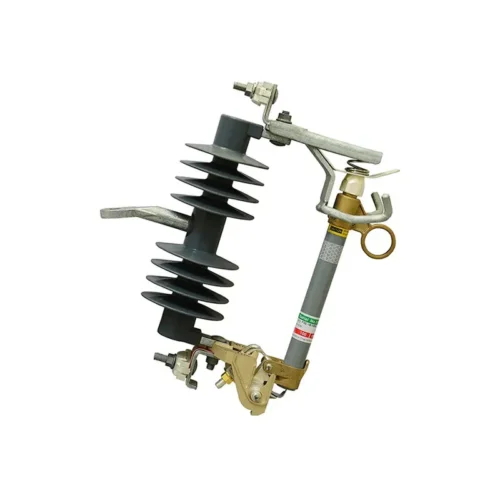
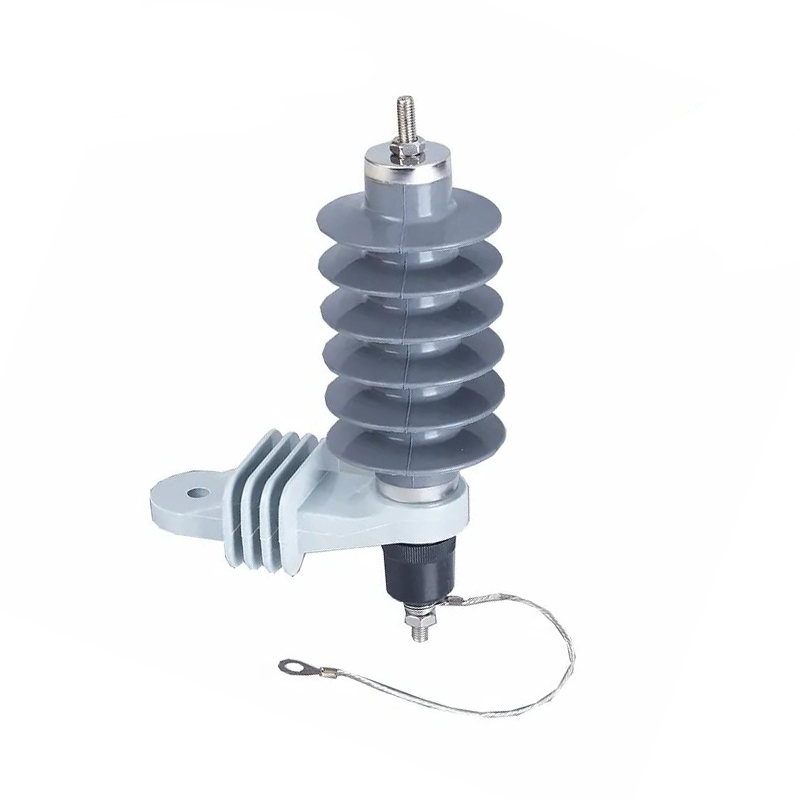
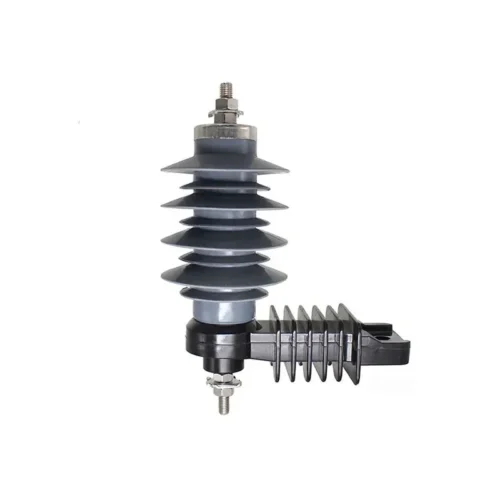
But on the poles and in the substations, there’s a **silent guardian** standing watch. It’s not the fuse cut-out you might spot; it’s something even more fundamental: the Lightning Arrester. And modern arresters are engineering marvels that do far more than just handle direct lightning strikes.
It’s Not About Attracting Lightning. It’s About Control.
A common misconception is that Lightning Arresters act like lightning rods, drawing strikes toward them. In reality, they are **sophisticated overvoltage protection devices**. Their job is to provide a high-impedance path under normal conditions (essentially ignoring the standard grid voltage) and then, in a microsecond, become an **extremely low-impedance path** the moment a dangerous voltage surge appears.
This surge could be from:
- A direct lightning strike to the line or a nearby object.
- Switching surges from utility operations, like turning capacitor banks on or off.
- Internal network faults.
When this happens, the arrester instantly diverts the massive surge current safely to the ground, "**clamping**" the voltage to a safe level for the equipment it's protecting. Then, just as quickly, it resets to its normal state, all without any moving parts.
Why Your Choice of Surge Arrester Matters More Than You Think
Installing any arrester might check a box, but installing the right one is a decision that impacts your bottom line. The consequences of a substandard Lightning Arrester are **severe**:
Catastrophic Failure:
A transformer hit by an unmitigated surge doesn't just trip offline; it can **explode, leak oil, and require a costly, time-consuming replacement**. Downtime can run for days or weeks.
Cascading Damage:
One surge can travel through your network, damaging not just the primary transformer but also connected switches, meters, and sensitive control systems.
False Sense of Security:
An arrester that doesn't meet the specific energy absorption (kJ) rating for your location might not fail immediately, but it can **degrade over time**, offering no protection when the big one finally hits.
How to Look for in a Modern Surge Arrester
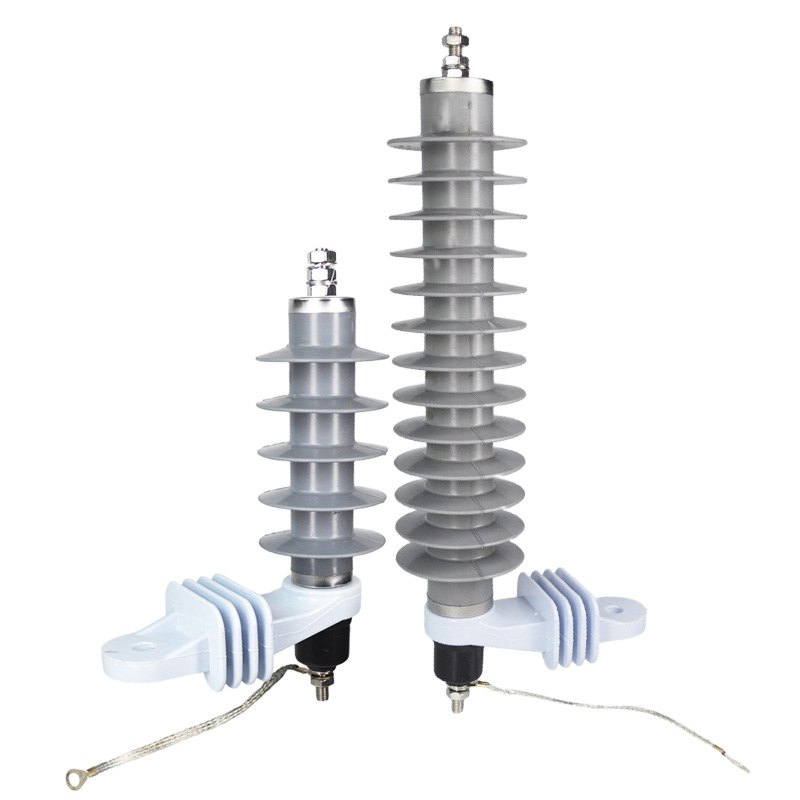
The technology has moved far beyond simple gapped rods. Today's high-performance Lightning Arresters are typically **metal-oxide varistor (MOV) based**, and you should be evaluating your supplier on:
- Energy Absorption Capacity (kJ): Can it absorb the massive energy of a direct strike near your line?
- Durability and Sealing: Is it completely sealed to prevent **moisture ingress**, the number one cause of premature failure?
- Low Residual Voltage: For a given current, how well does it clamp the voltage? Lower is better, as it means more protection for your equipment.
At Jiangxi Taikong Power Technology Co., Ltd, we don't just sell components; we sell **peace of mind**. Our range of Station Class, Intermediate Class, and Distribution Class Lightning Arresters are engineered for one purpose: to be the **most reliable link** in your chain of protection. We use superior materials and rigorous testing protocols to ensure that when a surge hits, our arrester performs flawlessly, saving you from the staggering cost of equipment failure.
Don't wait for the storm to reveal a weak point in your defense.
Protect your critical infrastructure with arresters built to last. Explore our technical specifications and see the difference for yourself.