+86 15657752999


0102030405
How to Choose a 10kV Surge Arrester: A Practical Guide
2026-08-05
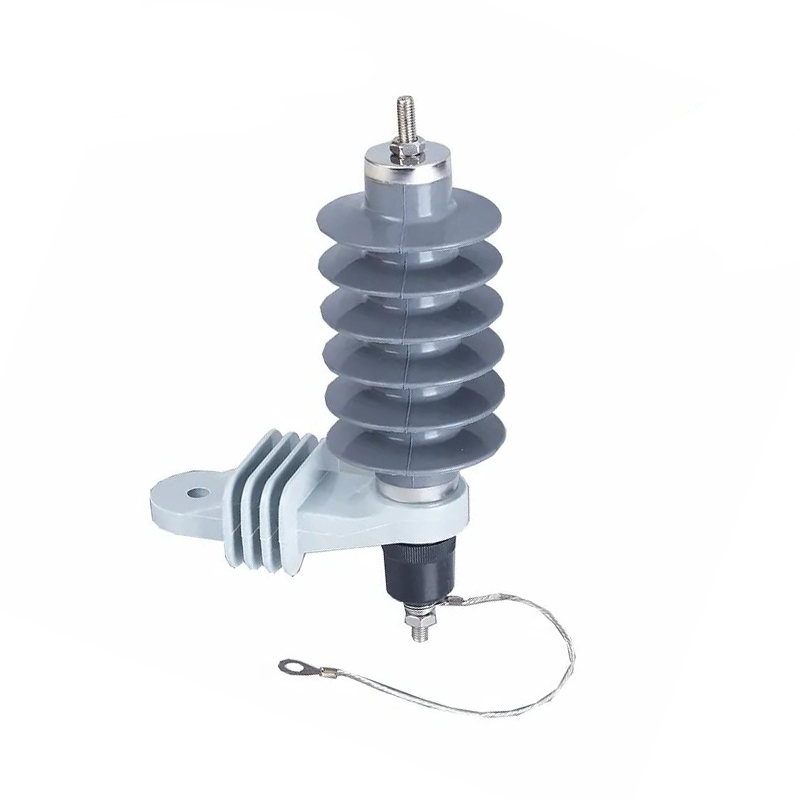
In electrical systems, ensuring the protection of critical equipment from overvoltage events such as lightning strikes and switching surges is paramount. A 10kV surge arrester, also known as a 10kV lightning arrester or 10kV overvoltage protector, is designed specifically to provide this crucial protection. This comprehensive guide will help you understand how to choose the right 10kV surge arrester for your specific needs, covering essential parameters, types, and applications.
What Is a 10kV Surge Arrester?
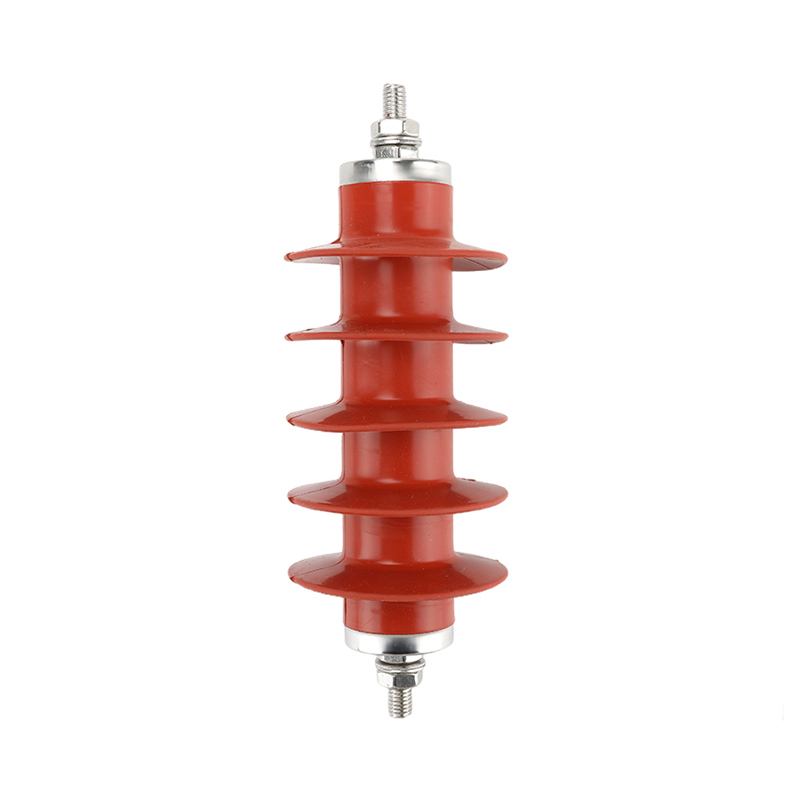
A 10kV surge arrester is an essential protective device used to safeguard electrical power systems from high-voltage transients caused by lightning strikes or system switching operations. These devices work by diverting excessive voltage to the ground, preventing damage to connected equipment, and ensuring stability and operational reliability in high-voltage networks.
Often installed in substations, transformers, and distribution networks, 10kV surge arresters are a vital component of power system safety, particularly in areas prone to electrical storms or frequent voltage fluctuations.
Key Technical Parameters to Consider
When selecting a 10kV surge arrester, understanding its technical parameters is crucial to ensure maximum protection and operational efficiency. Below are key factors to consider:
1. Rated Voltage (Uc): This is the maximum continuous voltage the arrester can withstand under normal conditions. For most applications, a 10kV rating is suitable for medium-voltage systems.
2. Energy Absorption Capacity: Measured in joules, this indicates the arrester's ability to handle energy during voltage spikes. A higher capacity means greater protection, especially in high-surge environments.
3. TOV Withstand: Temporary Overvoltage (TOV) is the brief overvoltage condition that the arrester must endure without sustaining damage or failure.
4. Discharge Current: This parameter indicates the amount of current the arrester can safely conduct during a surge. Typical values range from 5kA to 20kA, depending on the application.
5. Environmental Durability: For outdoor applications, consider arresters with high resistance to UV exposure, moisture, pollution, and other environmental factors.
Types of 10kV Surge Arresters
10kV surge arresters come in several types, each designed for different applications and performance requirements. Understanding these types will help in selecting the most appropriate product:
1. Silicon Carbide (SiC) Surge Arresters: These are traditional types of arresters that were widely used before metal oxide technology. While effective, they tend to have higher leakage currents compared to modern options.
2. Metal Oxide Surge Arresters (MOA): These are the most commonly used arresters today due to their superior performance. With no gap structure, MOA arresters offer excellent energy absorption capabilities and lower leakage currents.
3. Line Discharge Class (Heavy-Duty): Designed for high-discharge applications, these arresters are used in heavily loaded power distribution systems where frequent surges are expected.
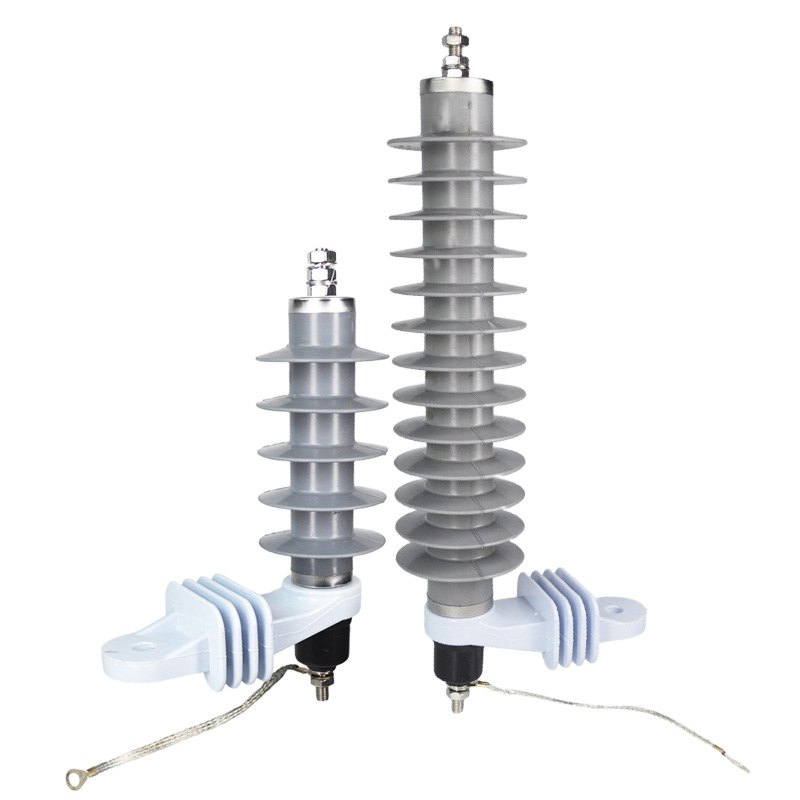
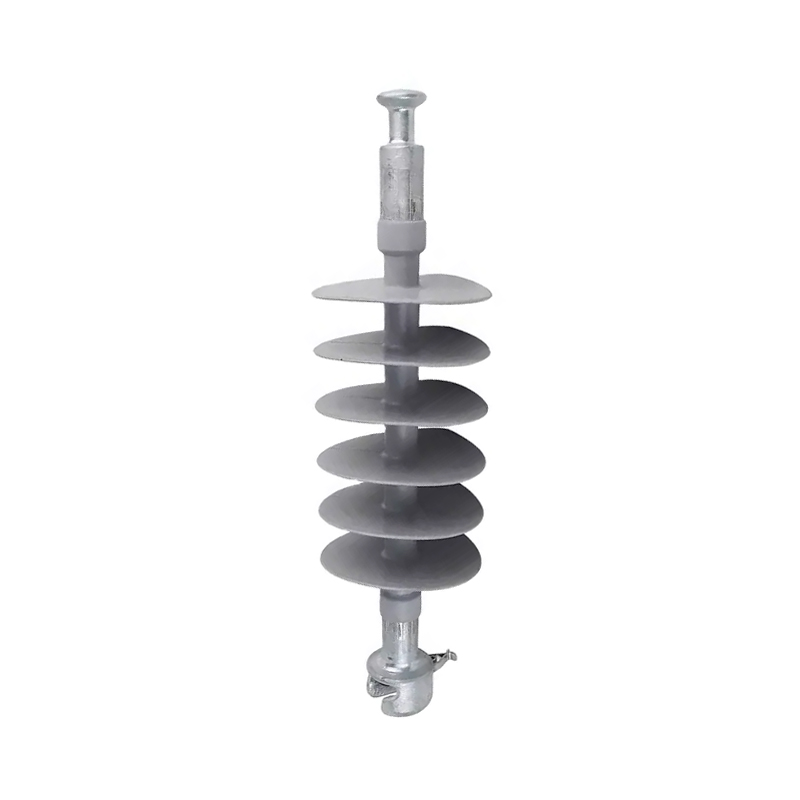
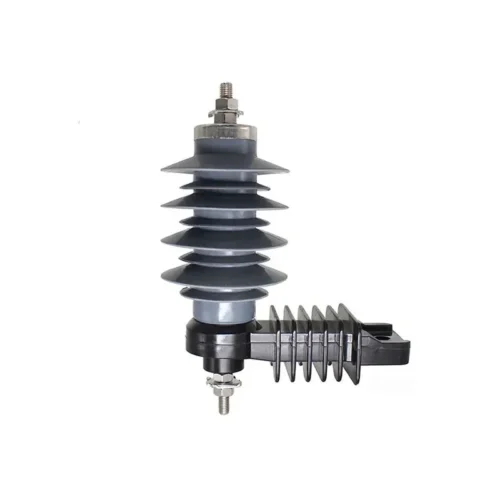
4. Polymer-Housed Arresters: Lightweight and resistant to environmental factors such as corrosion and contamination, polymer-housed surge arresters are ideal for outdoor installations.
Application-Specific Selection
The selection of a 10kV surge arrester depends heavily on where and how it will be used. Below are some factors to take into account:
1. Substation Protection: Substations are prone to high surges due to lightning and switching operations, making heavy-duty metal oxide arresters the best choice.
2. Distribution Networks: In medium-voltage distribution systems, polymer-housed 10kV lightning arresters are favored because of their lightweight design and resistance to harsh outdoor environments.
3. Renewable Energy Systems: These systems, like wind and solar farms, often operate under prolonged exposure to weather extremes. Choose surge arresters with strong environmental resistance and a high TOV withstand capability.
4. Industrial Applications: Factories and industrial facilities with sensitive equipment or large electrical loads could benefit from metal oxide surge arresters capable of high energy absorption.
Frequently Asked Questions
What is the role of a 10kV surge arrester in a power system?
Its primary role is to protect electrical equipment by redirecting transient overvoltage to the ground. This prevents damage caused by lightning strikes or switching surges.
How do I know if my current surge arrester needs replacement?
Signs of deterioration include visible cracks, burning marks, increased leakage current, or failure to protect during a surge event. Regular inspections are crucial to ensure functionality.
Can a 10kV surge arrester work under extreme weather conditions?
Yes, provided you select a model specifically designed for outdoor use, such as polymer-housed surge arresters, which are resistant to moisture, UV rays, and contamination.
In conclusion, choosing the right 10kV surge arrester involves analyzing your system’s specific needs, understanding the technical parameters, and matching the appropriate arrester type with your application. By making an informed decision, you'll ensure that your electrical systems are well-protected from potentially damaging overvoltage events, thereby extending their lifespan and maintaining optimal performance. Be sure to consult with experts and consider certified, reliable products from reputable manufacturers to achieve the best results.