+86 15657752999


0102030405
How to Choose Durable Polymer Insulator?
2026-06-29
Selecting the proper components for electric power transmission and distribution systems is critical to the efficiency and safety of these systems. One of the most important components of an electric power system is the polymer insulator, which is engineered to handle multiple environmental conditions and provide both durability and reliability. How do you know which type of polymer insulator to use? We’ll look at the critical factors to consider when selecting a polymer insulator to ensure your systems use durable products.
Understanding Polymer Insulators
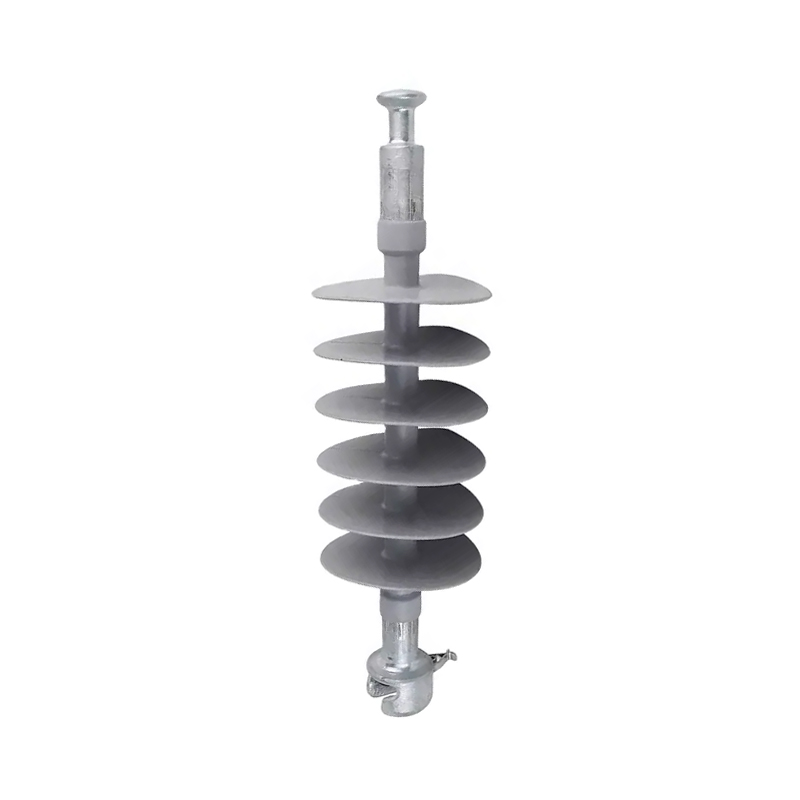
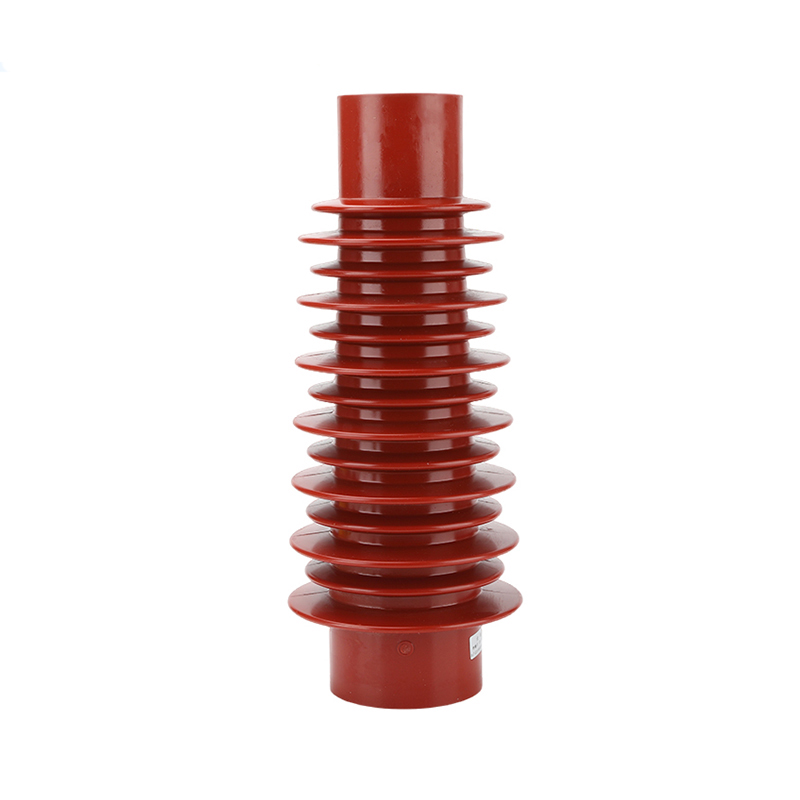
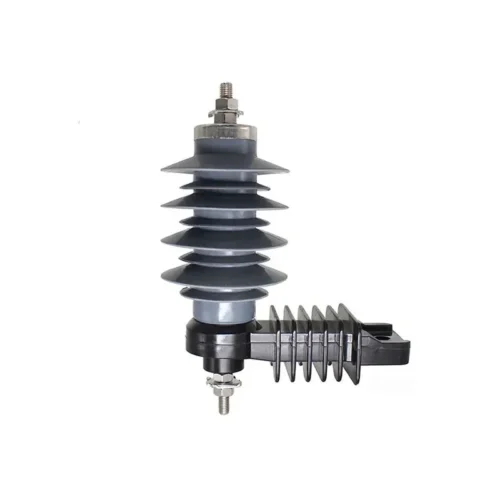
Polymer insulators are a type of electrical insulating material made out of organic materials that provide an intrinsically high strength-to-weight ratio. Polymer insulation does not suffer from the shortcomings of typical ceramic or glass insulations because they do not break and function well during extreme weather events. Polymer insulators are typically used in applications such as overhead transmission or distribution lines and various substation applications, including the use of 11kV rated polymer insulators.
Factors to Consider When Choosing Polymer Insulators
1. Environmental factors: The initial consideration is the environment where the insulator is to be installed. Many factors affect the performance of an insulator, such as excessive humidity, extremes in temperature, pollution, and exposure to chemicals. Insulators in areas that contain high amounts of salt spray or industrial pollution may require insulators manufactured from special polymers that provide better resistance to degradation (that is excess deterioration) than insulators manufactured from other materials.
2. The Electrical strength of an insulating material indicates its ability to withstand normal operating voltages. To ensure that a polymer insulator can achieve this, it must be selected to be rated at a greater voltage than what your system will produce as a results of an unusual spike in temperature. Knowing the required operating voltage will assist in selecting the correct insulating mounting fixture.
3. Mechanical strength: Consider what the electrical insulator is going to face in terms of mechanical loadings (wind, ice, etc.). Have these loads already been factored into your analysis of what it will take for your insulator to be functional and meet its longevity expectations? If not, evaluate the mechanical strength of your insulator, including these loadings.
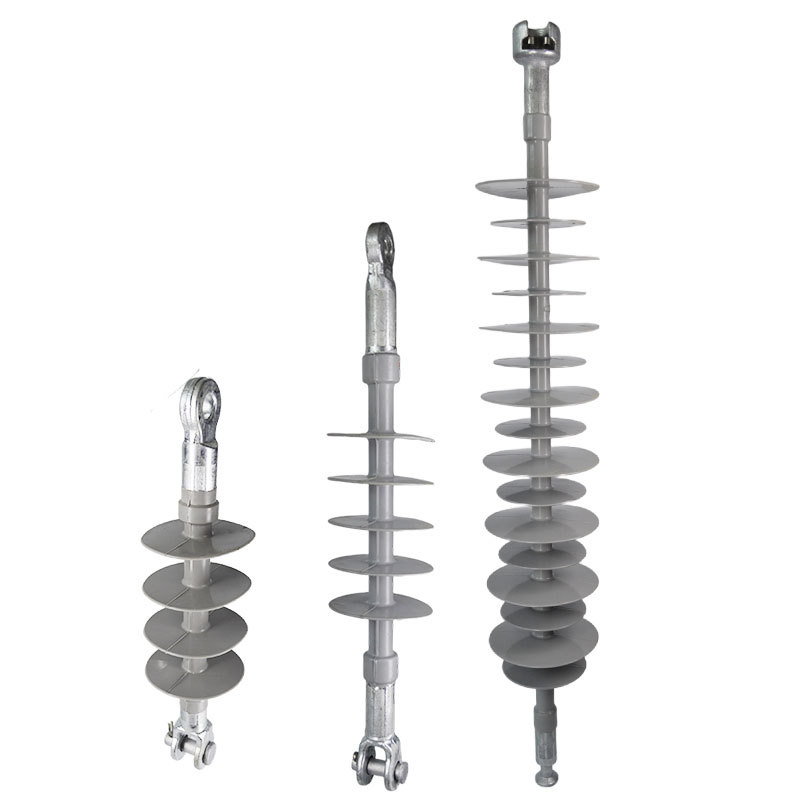
4. Design and dimension of polymer insulators have a great effect on the overall operation of the insulator. Be sure that the dimensions of the insulator match the specifications of your system. There are many different styles of design available, including suspension type and pin type, and selecting the correct design will help to improve the reliability of your system.
What to Look for in Quality Polymer Insulators
Prioritizing quality should always be your first consideration when purchasing polymer insulators. Below are examples of what constitutes quality polymer insulators:
- Look for recognized safety and performance standards certification marks, which will prove that manufacturer complies to those standards.
- Search for history of durability and efficiency for manufacturers you plan on buying from.
- Look at the warranty, as longer warranties usually indicate that the manufacturer is confident in the quality of the product being sold.
FAQs about Polymer Insulators
How long do polymer insulators last? Insulators made from polymers will normally be built for an operational period of about 25 -30 years under suitable conditions; their lifetime may be compromised due to environmental influences (such as pollution) and maintenance practices.
What are the 4 types of insulators? The four primary types of insulators are:
1. Suspension Insulators - used in high voltage power lines.
2. Pin Insulators - attached directly to the pole.
3. Strain Insulators - used in tension applications.
4. Polymers used for electrical insulation are produced in many design configurations; therefore, all types of environments can accept their use for insulation purposes.
To summarize, it is important to consider many different aspects when selecting a long-lasting polymer insulator; such as conditions in the environment where the insulator will be used, electrical and mechanical factors affecting the insulator's use, and finally indicators of quality for the insulator itself. Focusing on these factors will help you choose an insulator that will provide a long life for your electrical system and perform its function consistently. This information will help you select an insulator that meets your needs and will improve the reliability of the installations that you are working on.