+86 15657752999


0102030405
How to Choose the Right Drop Out Fuse for Your Transformer
2026-06-10
Choosing the correct dropout fuse for your transformer will help ensure that your system is both reliable and performs well. Determining what your application requires as well as the proper voltage and fuse rating is an essential component to providing a long-lasting, safe electrical system. Additionally, this guide will cover various aspects that can help you select a dropout fuse, including a comparison of voltage ratings and sizing requirements. Also included will be common questions you may encounter in selecting the appropriate dropout fuse for your system.
Understanding Drop Out Fuses
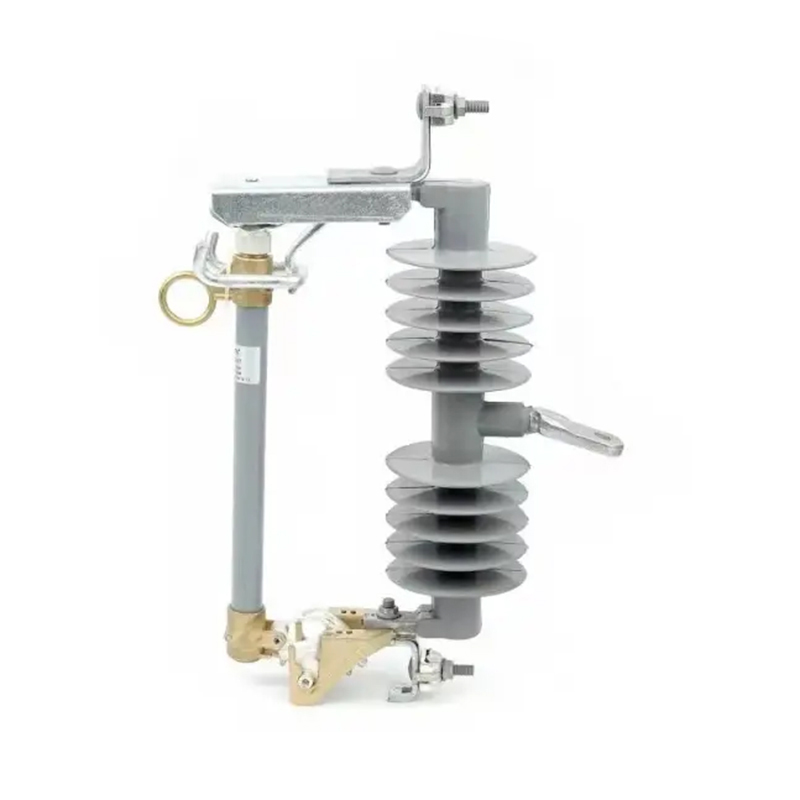
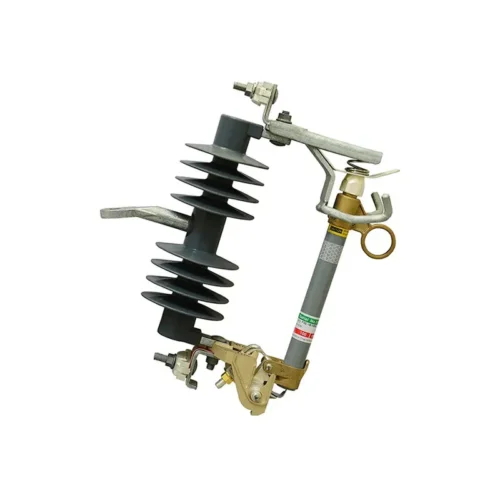
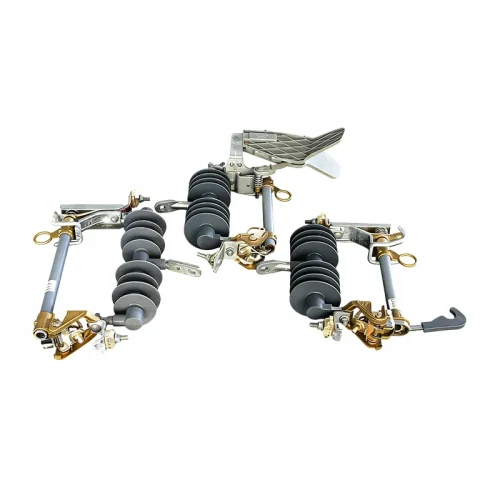
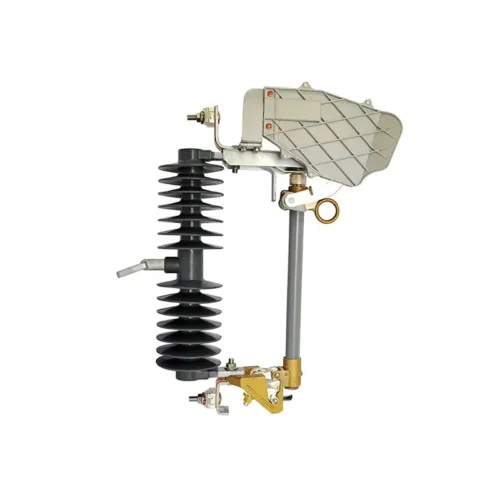
An important part of electrical distribution systems is the drop-out fuse, which protects the transformer from overloads and fault currents. When a fault occurs, the fuse will automatically drop out or disconnect, helping to prevent damage & assure the system’s quick recovery. You’ll want to know what type of fuse to use for each Transformer you have in order to maintain operational integrity.
Key Considerations for Choosing a Drop Out Fuse
When choosing a dropout fuse there are numerous things to consider. The most important is the voltage rating. Make sure that you select a fuse that will work with the voltage of your transformer (11kV to 33kV). Each rating gives different types and levels of protection for the transformer, and if you use a fuse rated at a lower voltage than your transformer, you will experience multiple unanticipated failures.
Evaluating the size of fuses installed on transformers is also very important. Consult a fuse sizing chart to determine the correct size fuse for each transformer. You need to select a fuse that will fit the specific rated continuous and fault current load of your transformer and can protect against overload. An improperly sized fuse will create inefficiency and a potential safety hazard.
11kV vs 33kV Drop Out Fuse: Which One Do You Need?
The type of dropout fuse required will depend on usage, transformer specs. An 11kV fuse is suitable for lower distribution voltages; however, a 33kV fuse would be more appropriate for higher voltages (industrial applications/utilities). You should ensure that your distribution voltage matches the voltage rating of the fuse to protect and perform optimally.
Drop Out Fuse Selection Checklist for Linemen
Selecting a drop-out fuse is often aided by having a selection checklist for linemen & maintenance personnel to streamline possible choices. Below are some important selection criteria:
- Determine the voltage rating needed (11kV or 33kV).
- Assess the continuous load and fault current ratings for sizing.
- Consider environmental conditions that may affect fuse operation.
- Verify compatibility with existing equipment and standards.
- Review manufacturer specifications and warranty information.
How to Choose the Right Fuse Size for Your Transformer
When selecting the correct fuse size for a transformer, you must do more than just match the number(s). You should also have a basic understanding of how the fuse will be used in its intended use. A common way to do this is to look at a drop-out fuse sizing chart that has been designed for your application. The chart usually provides information on various factors including load type, transformer size and previous fault data. All of these variables can help you determine the correct fuse size that will provide you with both safety and efficiency for your system.
FAQs
Here are some frequently asked questions about drop out fuses:
What happens if I choose the wrong fuse size?
Choosing a fuse that is not appropriate in size could cause it to not adequately protect the transformer from overload situations or to blow extremely frequently when the transformer is under normal operation; both will result in excessive loss of service to the equipment and/or the company due to poor logistical planning.
Please write a general sentence that summarizes the key information above.
Can I use a drop out fuse with any transformer brand?
You can typically use a dropout fuse with a variety of transformer manufacturers as long as the voltage rating, the size, and the compatibility requirements of both devices are satisfied (see the manufacturer's guidelines for your specific equipment for how to do this).
Can environmental factors affect fuse performance?
Definitely! The performance of a fuse can also be affected by environmental conditions, including temperature, humidity, and closeness to corrosive materials. Make certain you select fuses that are appropriate for the conditions under which you are going to install them.
To conclude, when selecting a dropout fuse that will be used with your transformer, you need to consider the following: voltage ratings; size according to the type of load it will be used under and any factors related to the environment where the transformer is installed. Use the sizing charts and a check list to assure you have made an acceptable choice in protecting your electrical system from unexpected failures; thereby reducing the number of risks and increasing the reliability of your electrical systems. Also remember that having good information when making your selection will help ensure that you are providing a safe product for the life of your transformer.