+86 15657752999


0102030405
How to Install a Lightning Arrester on a Building
2026-04-13
To install a properly configured lightning arrester, you need basic knowledge of how it works and why it matters. A nearby lightning strike creates a surge that can damage electrical and mechanical systems, cause costly repairs, and threaten occupant safety. A properly configured lightning arrester redirects the high voltage into the ground, protecting both the facility and its occupants. This guide covers how to install a lightning arrester, why it is necessary, how it works, and the different types: Electric, Polymer, and Gapless Lightning Arresters.
Definition of Lightning Arrester:
A lightning arrester protects a facility’s electrical system from damage caused by voltage surges from lightning strikes. It provides a safe, low-resistance path that directs the lightning strike into the ground. This keeps the electrical and mechanical equipment inside the structure safe from potential damage.
Why Are Lightning Arresters Needed?
Lightning arresters are critical for protecting equipment, wiring, and appliances from electrical surges caused by lightning strikes. Without proper protection, a single strike can lead to power outages, fire hazards, injuries, and major property losses. Surge protection is especially important in regions with frequent thunderstorms. Lightning arresters help prevent building damage and potential injuries from lightning strikes and the surges they produce. Specialized types, such as Gapless Lightning Arresters, are used across different industries and have proven effective in various applications.
What Is the Function of a Lightning Arrester?
Lightning systems are vulnerable to damage from the very high-voltage electrical surge produced when lightning strikes. Using a lightning arrester allows the high-voltage electrical surge to be directed to the ground through a direct path to the ground, thereby avoiding routing the high-voltage electrical surge somewhere else in the lightning system. An arrester safeguards critical electrical parts wherever located and provides protection when subjected to the voltage of several lightning strikes.
How to Install Lightning Arresters in Your Structure
To properly install a lightning arrester requires both an experienced professional and a well-organized plan. Below are the steps to follow for the installation of lightning arresters in your structure:
- Identify which lightning arrester is necessary: There are many types available depending on the application. Common ones include Polymer Lightning Arresters and Gapless Lightning Arresters, selected based on the user's environment and electrical system conditions.
- Consider location for installation: The lightning arrester should be placed at the highest point of the structure (roof or chimney) to intercept lightning strikes before they reach lower areas. Proper grounding is also critical.
- Install the grounding system: The performance of the lightning arrester depends on the grounding system. The installation requires connecting an earth rod to the arrester using a conductive wire, such as copper or aluminum.
- Connect the arrester to the electrical system: This connection should be made at the main electrical panel or other high-risk locations within the electrical system.
- Inspect and verify connections: Once the connections are complete, ensure compliance with applicable local electrical codes and verify that the arrester is securely mounted. If uncertain, consult a licensed electrician for a professional assessment.
Types of Lightning Arresters
Understanding the differences among the various lightning arresters will help you identify which style of arrester is suitable for your application:
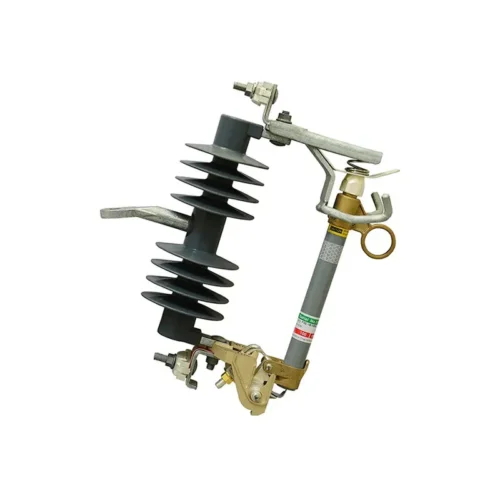
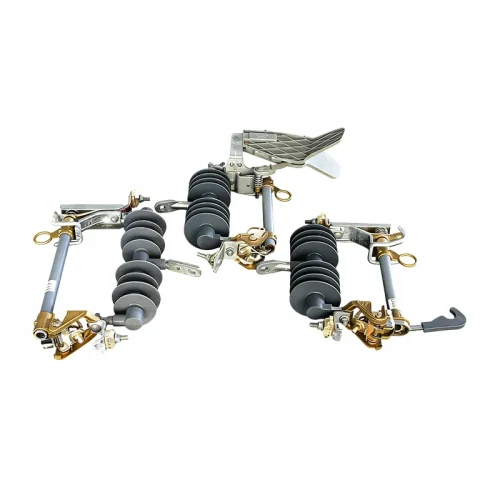
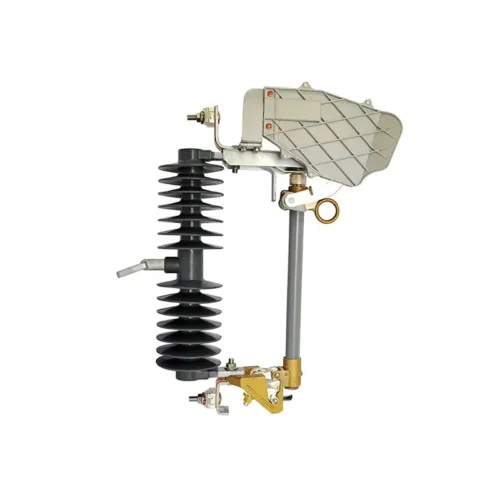
1. Electric lightning arresters: Electric lightning arresters are used in residential and commercial buildings and have a long history of acceptable service performing as intended and effectively controlling high voltage surge events.
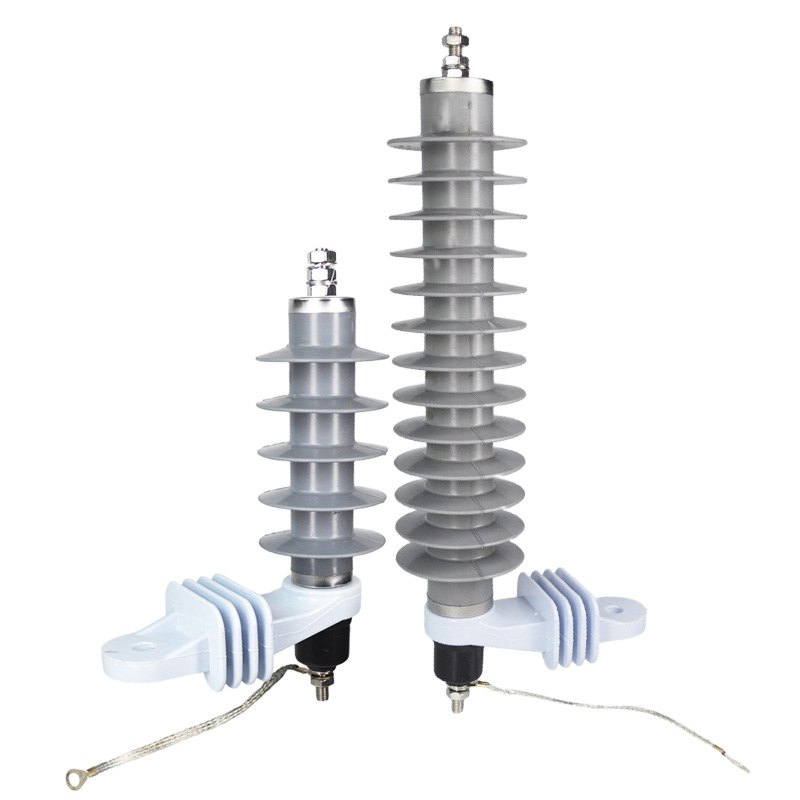
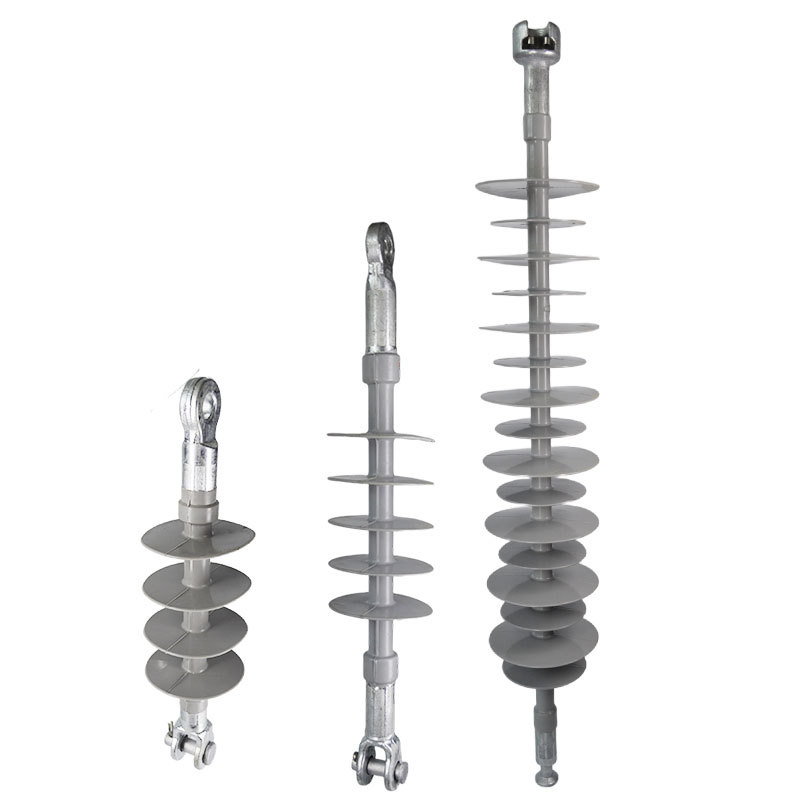
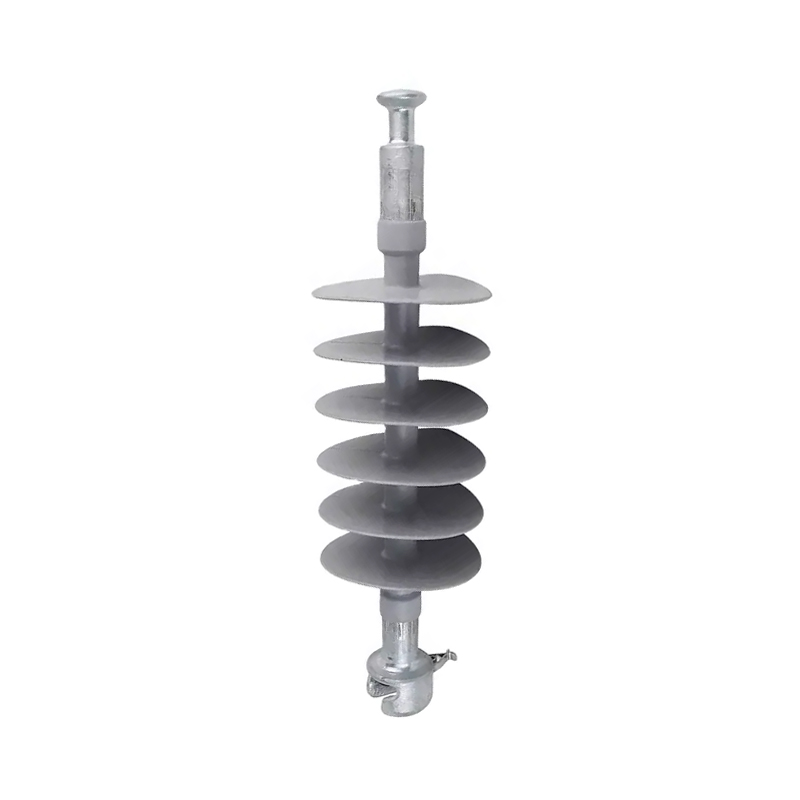
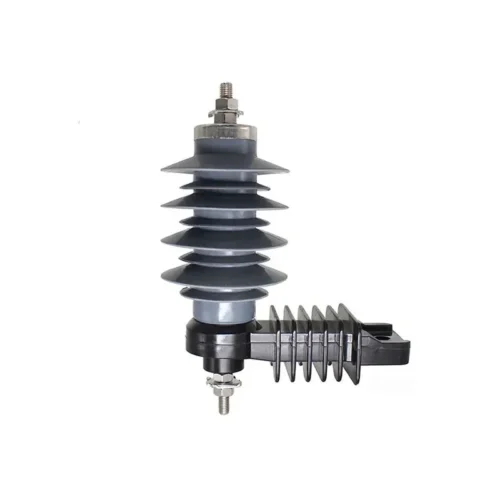
2. Polymer lightning arresters: Polymer lightning arresters offer advantages of weight and longevity; they perform well in extreme climates and protect structures from lightning damage.
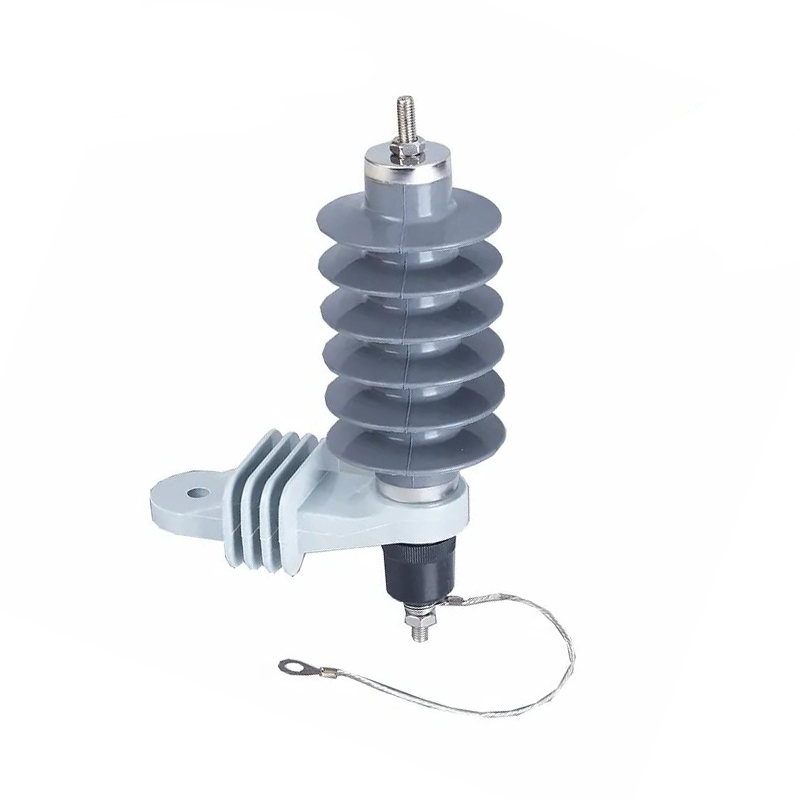
3. Gapless lightning arresters: Gapless lightning arresters utilize advanced technology that eliminates the opportunity for sparking while the unit is being utilized. The result is increased safety and reduced maintenance requirements.
Frequently Asked Questions About Lightning Arresters
What else are lightning arresters called?
Lightning arresters are most often referred to as surge arresters, as their primary function is to reduce surge current due to a lightning strike.
How often should you check your lightning arrester?
Every year, you should inspect your lightning arrester for its functionality. It is best to check it annually to ensure proper operation and to identify any potential issues before they escalate.
Does the lightning arrester provide total protection?
Installing a lightning arrester greatly reduces the risk of damage, but it does not guarantee complete protection for your electrical system or building. For the most comprehensive protection, pair a lightning arrester with surge protectors and ensure proper grounding.
Benefits of Installing a Lightning Arrester
Major benefits of having a lightning arrester include:
- Protection for electrical systems and sensitive electronic equipment.
- Enhanced safety for building occupants.
- Reduced chances of fire and electrical outages during or after thunderstorms.
- Long-term savings from lowering or eliminating the need for costly repairs or replacements of electrical systems.
Summarize
Installing a lightning arrester is the first essential step in protecting your home or building and its occupants from lightning damage. The type you choose such as Electric, Polymer, or Gapless Lightning Arresters should fit your property's specific needs. It is highly recommended to consult a qualified electrician for proper selection and installation. When correctly installed and maintained, a lightning arrester creates a safer environment for your property and occupants, even during major thunderstorms or severe weather.