 +86 15657752999

0102030405
How to Operate a Ring Main Unit?
2026-04-08
The Ring Main Unit (RMU) is a key component in power distribution systems, helping deliver reliable electricity while maintaining network stability. As advanced switching equipment becomes more common in industries and utilities, understanding how an RMU operates is essential. This article covers RMU operation, typical components, working principles, and answers common questions to help you better understand this important electrical device.
Understanding the Function of the Ring Main Unit (RMU)
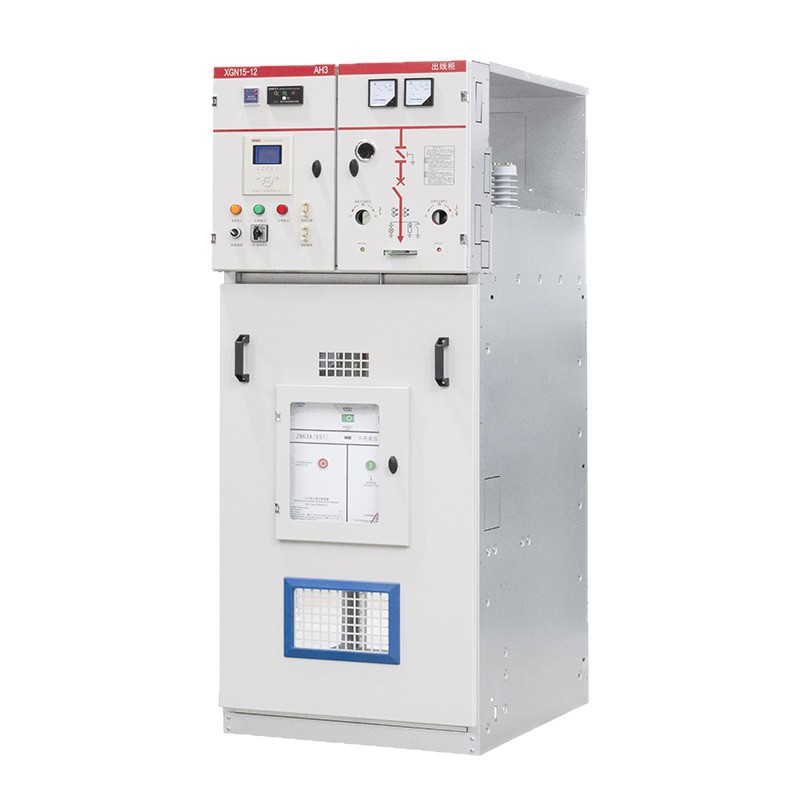
The Ring Main Unit is electrical switchgear that connects, protects, and isolates transformers and other downstream equipment in an electrical distribution system using a ring network. An RMU is designed for medium voltage distribution systems and is typically compact and very reliable. The RMU uses flexible switching capabilities to maintain a continuous flow of electricity to the electrical distribution system without the chance of interruption to the distribution system while repairs/maintenance are being completed.
The RMU is typically located at a substation or a manufacturing facility, and it will provide an efficient way to control power flowing to a facility.
Step-by-Step Guide to Operating a Ring Main Unit
In order to properly operate an RMU, it is important to first understand the overall layout of the RMU, follow standard safety protocols, and then pay close attention during the operation of the switching functions that occur with the RMU. Here is a simplified checklist for operating an RMU:
- Familiarize yourself with the equipment: Before operating the RMU, review the technical documents to understand the function of each of the components within the RMU such as circuit breakers, isolators, and earth-switch equipment.
- Conduct initial safety checks: Inspect the RMU for visible signs of damage or wear prior to operating the RMU. Switch off electricity and check voltage rating before using PPE.
- Perform switching operations: Choose the appropriate switch, such as a load breaker, when performing a switching operation and use the appropriate instruction from the RMU control panel.
- Monitor the system: Keep an eye on the various indications and alarms on the RMU. You may find that one of the advantages of many modern RMUs is remote monitoring.
Why is SF6 Used in RMUs?
One of the reasons that a Ring Main Unit usually uses SF6 Insulation Systems is that SF6 has excellent dielectric (non-conducting) properties. SF6 has the ability to withstand high voltage levels and is very efficient in quenching an electric arc during a switching operation. Because SF6 is also classified as a potent greenhouse gas, a number of manufacturers are currently researching other eco-friendly alternatives such as solid insulation or vacuum technology.
RMU vs. Switchgear: Key Differences
Knowing the difference between RMUs and other switchgear equipment will make choosing the best fit for your application much easier:
Switchgear: All electrical devices that switch, protect and isolate power system equipment, such as circuit breakers, isolators, and panels, are referred to collectively as switchgear.
Ring Main Unit: An RMU is a specific type of switchgear designed to work with a ring distribution network. RMUs combine all of the necessary switching components into one compact unit versus traditional switchgear, which uses many more combinations of parts or larger amounts of space to achieve the same function as an RMU for use at urban substations and/or industrial facilities where there is limited real estate available.
Benefits of Using Metered RMUs
In addition to providing a complete solution for switching, metered Ring Main Units offer the added feature of measuring and record-keeping of power consumption data. This capability provides a significant benefit to the user by providing the ability to track the efficiency at which energy is used, allow for determination of areas that may be using too much energy, and reduce operational costs. This is especially beneficial to those industries looking to maximize their use of energy while also transitioning to smart grid implementations.
Maintaining and Troubleshooting Your RMU
Regular scheduled maintenance is critical for maximizing your RMU’s lifespan and dependability. Listed below are some of the best practices for maintenance of RMUs:
- Schedule routine confirmation to ensure that gas levels (for gas RMUs), all control circuits, and external connections are checked as scheduled.
- Investigate any tripped circuit. Address any issues according to the troubleshooting guidelines immediately to restore service.
- Keep records of maintenance and operational changes to be able to analyze the performance of the equipment over an extended period of time.
- If troubleshooting is unsuccessful, contact your RMU manufacturer’s representative, or a qualified contractor to address the issue with you.
Frequently Asked Questions (FAQ)
What does the RMU do?
The RMU allows for the continuous distribution of medium voltage electricity and provides for isolation of faults, protection of the system, and flexible operation of the switching devices.
What is SF6 and why is it used in RMUs?
SF6 is a gas that provides outstanding insulating characteristics, possesses a high dielectric strength, and effectively quenches arcing during switching. These characteristics make SF6 the ideal insulation medium for RMUs operating in medium voltage switching.
What is the difference between switchgear and RMUs?
Switchgear encompasses many different types of electrical equipment designed for the purpose of electrical switching and protecting distribution systems, whereas RMUs are a specific type of compact switchgear that are used for ring networks.
Summarize
Efficient Ring Main Unit operation depends on understanding its components, functions, and safety requirements. The Ring Main Unit offers reliable medium voltage distribution with a compact design and flexible operation. By addressing common questions and following a regular maintenance plan, users can ensure maximum performance and a long service life. Whether using standard, high voltage (HV), or metered RMUs, proper model selection and ongoing maintenance will greatly enhance the reliability and efficiency of your electrical distribution system.