 +86 15657752999

0102030405
How to Select the Right Surge Arrester: A Buyer's Guide
2026-10-28
It is essential to protect electrical devices from voltage surges at all levels of operation, from houses to industries. Due to the occurrence of lightning, switching processes, or other kinds of interference, the machines can cause losses in the case of failure. This article simplifies the selection of a surge arrester, outlining essential factors for maximum protection and effectiveness of the operation.
What Is a Surge Arrester and Why Do You Need One?
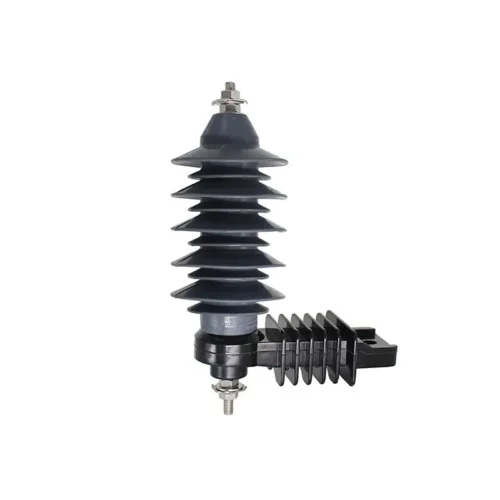
Surge Arresters are devices used for electrical protection that intercepts the abnormal voltage and passes them safely to the ground. In this way, it protects the background and avoids the damages made by surge voltages in electrical devices. No matter if you have industrial devices, a solar panel, or home electric appliances, the surge arresters will help you to get the insurance needed.
Key Factors to Consider When Choosing a Surge Arrester
Before purchasing, review these crucial factors:
Voltage Rating: Verify that the voltage rating of the arrester matches the maximum continuous service voltage of the system to ensure that protection is adequate.
Energy Absorption: Surge protection systems need to handle higher energy levels for high-energy sites such as factories and open-air installations.
Installation Type: Select either the indoor or outdoor design and make sure to verify whether it can be used with either single-phase or three-phase systems and also AC or DC circuit alternative.
Response Time: Decreased response time provides higher security of sensitive devices. Search for up-to-date arresters that work in the nanosecond range.
Maintenance: Properly functioning surge arresters are not complex devices, requiring little maintenance; however, regular observation after storms or surges is necessary to ensure their efficiency and effective operation.
Types of Surge Arresters and Their Best Use Cases
Several primary types exist:
Metal Oxide Surge Arresters (MOSA): Most commonly found at electric substations and industrial complexes, MOSA (based on MOV technology) reduces surges instantaneously, providing excellent efficiency and longevity.
AC Surge Arresters: AC surge arresters, which have been made specifically for homes and commercial establishments, can reach general line voltages. They can provide protection for panels, home appliances, and office machinery.
DC Surge Arresters: It is crucial for solar installation, battery systems, and electric vehicle charging systems. It is advisable to take DC-rated switches for direct current applications.
Hybrid Models: Solar+Storage systems and intricate manufacturing facilities are the best examples of hybrid AC and DC circuits.
Matching Surge Arrester Ratings to Your System
Selection requires connecting the device to the voltage, the expected surge values, and the risk assessment of exposure.
Voltage: The surge arrester's MCOV must be higher than the system's maximum steady-state voltage.
Discharge Current: Take note of the devices capable of accommodating their specified surge levels (normally expressed in kA). Devices meant for higher degrees of susceptibility will require higher ratings in terms of current.
Compliance: Only select arresters with certifications (like IEC or UL) for guaranteed safety and performance.
Coordination: Align your surge arrester with other protection devices (breakers, fuses) for seamless integration.
Common Selection Mistakes to Avoid
Mistakes that buyers make include differences in voltage grading and low output capacity. Indoor-rated products used in outdoor locations do not last long. Also, not coordinating with other protection tools creates unnecessary disconnections. Moreover, negligence in maintenance facilitates the failure to catch the malfunctioning devices early, especially after big power cases.
Installation and Maintenance Best Practices
Surge protection devices (SPDs) must be installed as close as possible to the entrance of the equipment and toward the distribution boards. The use of short and tightly connected wiring helps to lower the resistance effectively. Equipments in outdoor conditions should be made according to the standards of weatherproof designs. The annual check-ups should be performed as well as the replacement of the equipment as soon as it shows signals of malfunctioning or it has gone through a big surge.
FAQs for Surge Arrester Buyers
Can I use an AC surge arrester for a solar or EV charging system?
No. DC applications such as solar panels, battery systems, and EV charging require DC-rated surge arresters. Using an AC-rated device in a DC circuit may compromise protection and safety.
Is a higher kA rating always better?
Not necessarily. The discharge current rating should match the expected surge level and the sensitivity of the equipment being protected. Oversizing adds cost without extra benefit, while undersizing leaves equipment vulnerable.
How often should a surge arrester be checked or replaced?
Routine visual inspection is recommended, especially after storms or major surge events. Any unit showing signs of malfunction or having absorbed a significant surge should be replaced promptly to maintain protection.
Do I still need breakers or fuses if I install a surge arrester?
Yes. Surge arresters work alongside breakers and fuses as part of a coordinated protection scheme. Proper coordination helps avoid unnecessary disconnections and ensures seamless integration.
Surge Arresters for Specialized Applications
While DC surge arresters are vital for solar applications and EV charging sites, AC surge arresters are suitable for traditional panels and commercial buildings. Hybrid devices offer an easy solution for protecting contemporary hybrid energy systems. Correct selection of the surge arresters guarantees the perfect combination of efficiency and cost-effectiveness for every type of use.
Recognizing how to choose the proper surge protector means protecting your investments and maintaining your operational reliability. By concentrating on the voltage ratings, energy capacity, type of application, and certification you can guarantee strong and reliable surge protection over the years. Proper choice will make the electrical system powerful and lead to guaranteed tranquility in the absence of disturbances.