+86 15657752999


0102030405
How to Test a Surge Arrester?
2026-04-24
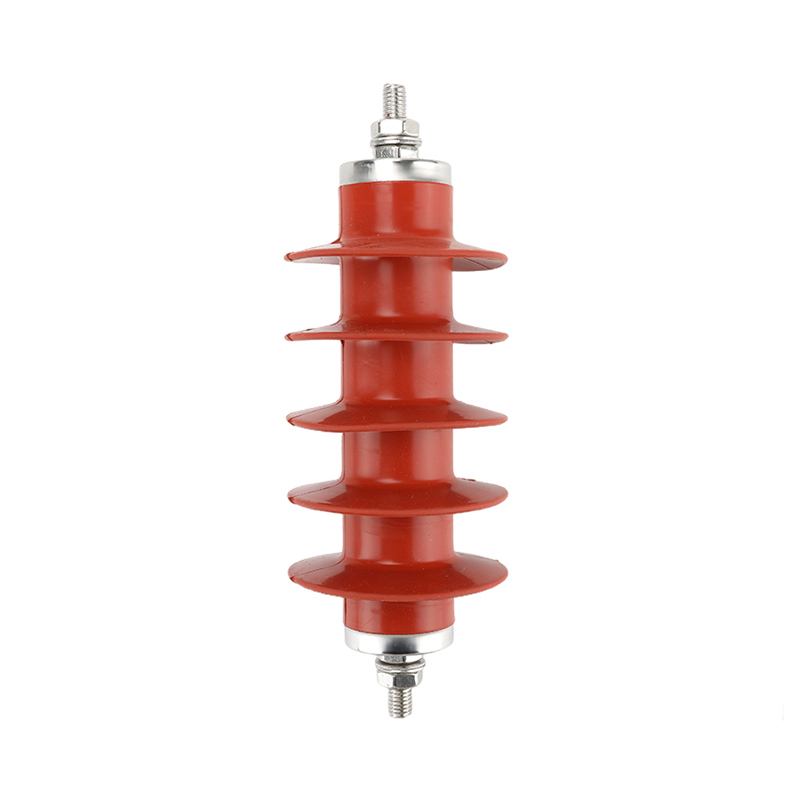
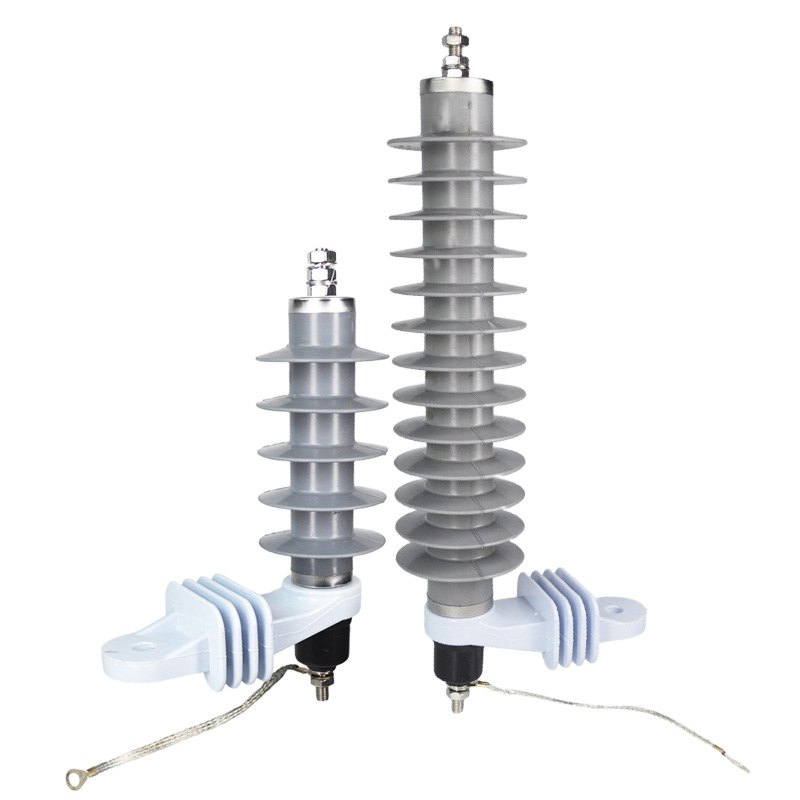
A surge arrester is a protective device that shields electrical equipment from voltage spikes by channeling excess energy safely to the ground. Think of it as a silent gatekeeper for your transformers, switchgear, and panel boards. While it sits quietly on the line most days, its internal condition changes over time due to weather, switching events, and the occasional lightning strike. Knowing how to test one helps you catch hidden wear before it turns into a costly outage.
Why a Surge Arrester Deserves a Spot on Your Checklist
You might walk past a surge arrester every day without giving it much thought. It has no moving parts, no display screen, and no audible alarm. That simplicity is part of its appeal, but it also masks a reality: the metal oxide varistor discs inside age with every surge they absorb. Moisture can seep past aging seals. Ground connections can loosen.
The test procedures described here are not about chasing perfection. They are about answering one practical question: Will this unit hold the line during the next storm or switching event? If you are responsible for uptime in a factory, a data center, or a utility substation, the answer matters.
Where You Will Actually Use This Device
Before getting into the how, it helps to understand where you are likely to encounter one. The context shapes how often and how thoroughly you test.
- Medium Voltage Switchgear: A surge arrester here protects expensive circuit breakers and buswork from internal switching transients.
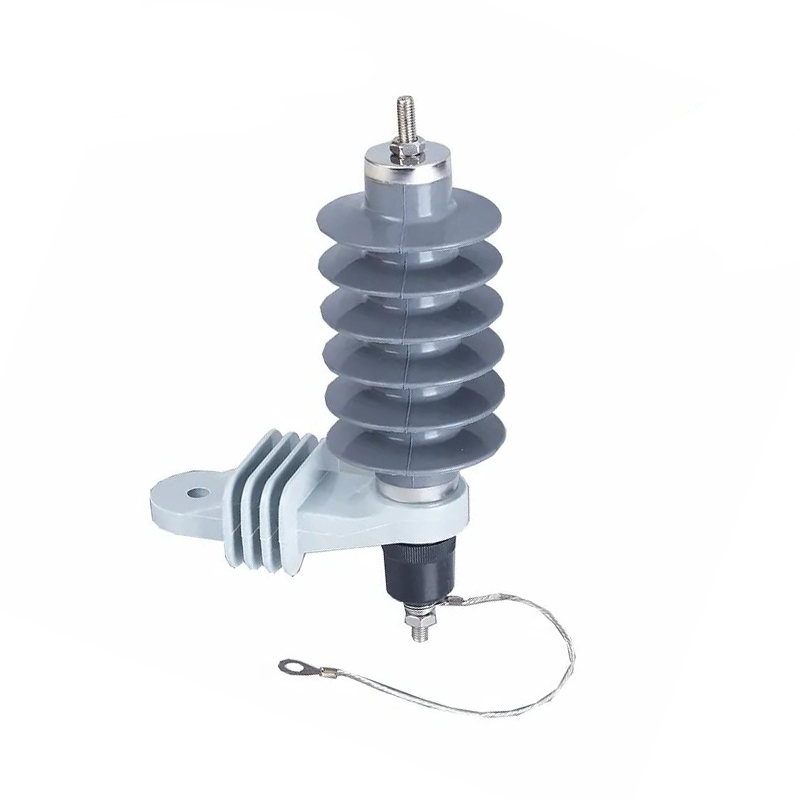
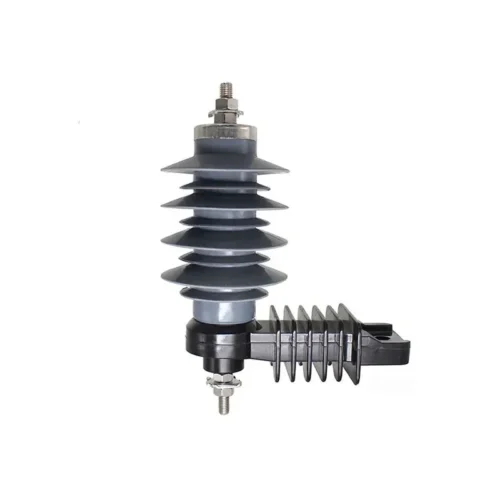
- Pole Mounted Transformers: The classic gray cylinder hanging below the primary line. It keeps residential and commercial power clean.
- Large Motor Terminals: In industrial plants, a surge arrester at the motor junction box prevents the insulation from being punched through by reflected wave spikes.
- Solar Farm Combiners: In DC photovoltaic circuits, a specialized surge arrester defends against induced lightning currents across wide panel arrays.
Practical Testing Methods That Match Real Workflows
The best test is one you can actually perform without shutting down the entire facility. The approach below balances field practicality with the diagnostic depth you need to make a replacement decision.
1. Infrared Scanning (The First Line of Inquiry)
This is the most accessible test for a live, loaded surge arrester. Using a thermal camera, scan the length of the housing and compare it to adjacent units or the ambient air. A healthy arrester will show a uniform, slightly warm profile. A unit with internal moisture or degraded blocks will often display a sharp temperature increase near the flange or a distinct band of heat. If you see a hotspot, plan for an outage window. This visual cue often saves the cost of more invasive testing.
2. The Megger Test (Insulation Resistance)
Once the equipment is isolated and grounded, connect a megohmmeter between the line terminal and the earth base. You are checking the integrity of the housing and the insulation inside. A clean, dry surge arrester should show resistance in the thousands of megohms. A reading that drifts downward or settles below the manufacturer's recommended baseline is a strong indicator of internal tracking or moisture contamination. Do this test when the unit is first installed and repeat it annually to build a trend.
3. Watts Loss Measurement (The Real Health Indicator)
If you have access to a high voltage test set, applying rated voltage and measuring the resistive component of leakage current is definitive. This is the standard test for substation class surge arrester banks. The measurement, often expressed in milliamps or watts, tells you how hard the MOV blocks are working just to stay alive. A rising trend here, even if the unit still looks new, means the material is slowly failing. This is the data you bring to a budget meeting to justify a planned changeout.
4. Visual and Mechanical Check
Do not underestimate what your eyes can tell you. Look for cracked polymer sheds, rusted mounting brackets, or a disconnected ground lead. A surge arrester with a broken ground wire is just a decoration on the pole. Give the ground connection a firm tug with a wrench. A loose clamp here creates a high-resistance path that defeats the entire purpose of the device.
Getting Consistent Results Without the Guesswork
There is no universal pass/fail number because every system voltage and manufacturer has slight variances. That is why record keeping is the secret weapon of a good maintenance program. When you test a surge arrester, write down the ambient temperature, humidity, and the exact meter reading. Over two or three cycles, the pattern emerges clearly. A stable line means keep running. A slow, steady climb means order a spare.
If you are unsure about interpreting a borderline reading, consider the cost of the protected asset. If a failed surge arrester downstream takes out a custom-wound motor or a hard-to-source transformer, the price of a new arrester is negligible insurance.
What to Do With the Information
Testing is only half the equation. The real value comes when you act on the finding. A marginal surge arrester left in service for "just one more season" is a gamble you might lose during the first summer thunderstorm. Having a spare on the shelf and a plan to swap it during a scheduled shutdown turns a potential emergency repair into a routine task.
By making these checks part of a recurring maintenance cycle, you remove the anxiety from electrical reliability. You will know that when the voltage tries to climb outside safe bounds, the surge arrester on your line side will respond exactly as intended: fast, silent, and effective.