+86 15657752999


0102030405
HV Fuse Cut Out: Function & Key Components
2026-09-04
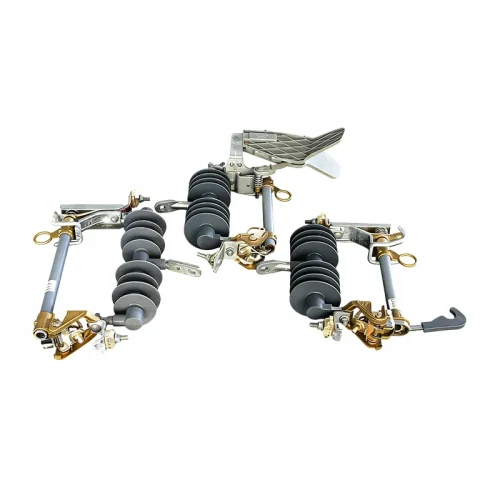
An HV Fuse Cut Out is an essential protection device for medium-voltage overhead distribution systems. It is commonly installed on utility poles to protect transformers, branch lines, capacitor banks, and other equipment from short circuits and sustained overcurrents.
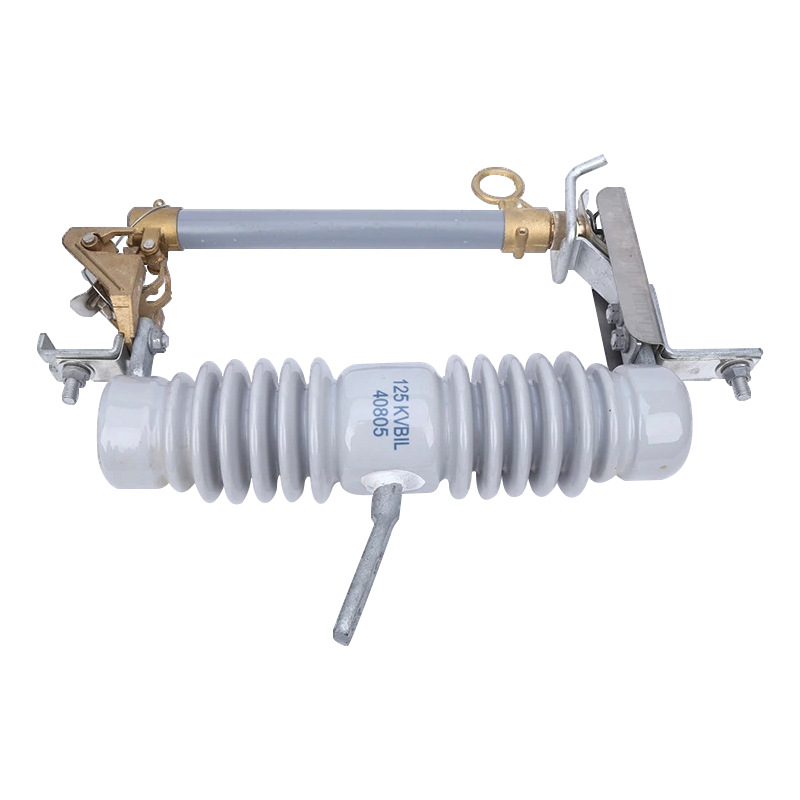
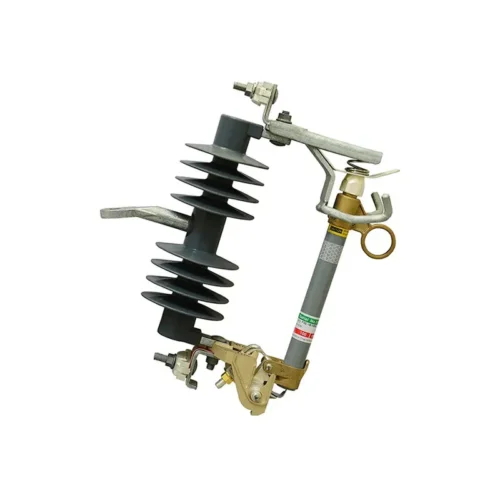
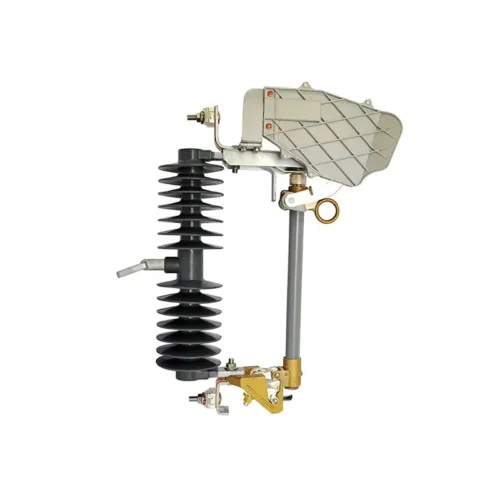
Also known as a drop out fuse or electrical cut out switch, this device combines a replaceable fuse link with a hinged fuse tube. When a fault occurs, the fuse melts and the tube drops open, creating a visible break in the circuit. This helps utilities isolate faults quickly, reduce equipment damage, and make maintenance work safer.
What Is an HV Fuse Cut Out?
An HV fuse cut out is an outdoor high-voltage fuse device used on distribution networks, typically from 10 kV to 38 kV. Under normal conditions, electricity flows through the fuse link to supply the connected transformer or feeder. If the current becomes dangerously high, the fuse link melts and disconnects the circuit.
Once the fuse operates, the fuse tube drops downward from its upper contact. This visible open position allows line crews to quickly identify the disconnected section. It is a simple, reliable, and cost-effective solution for localized fault protection.
Main Functions Explained
Overcurrent and Short-Circuit Protection
The main function of a fuse cut out is to stop fault current before it damages transformers, conductors, or connected equipment. The fuse link is designed to operate according to a specific time-current characteristic. Severe faults cause rapid operation, while some fuse links can tolerate temporary overloads or transformer inrush current.
Visible Isolation
When the fuse tube drops open, it provides a clear visual indication that the circuit has been disconnected. This is especially useful on overhead networks, where technicians need to locate a faulted transformer or branch line efficiently.
A dropped fuse tube does not replace proper electrical safety procedures. Qualified personnel must still follow local isolation, testing, grounding, and lockout/tagout requirements before beginning maintenance.
System Sectionalizing
Fuse cut outs help limit the area affected by a fault. For example, if a fault occurs on a transformer or feeder lateral, the cut out can isolate that section while the main distribution line continues supplying other customers. This improves network reliability and reduces unnecessary outages.
Key Components of an HV Fuse Cut Out
Insulator Body
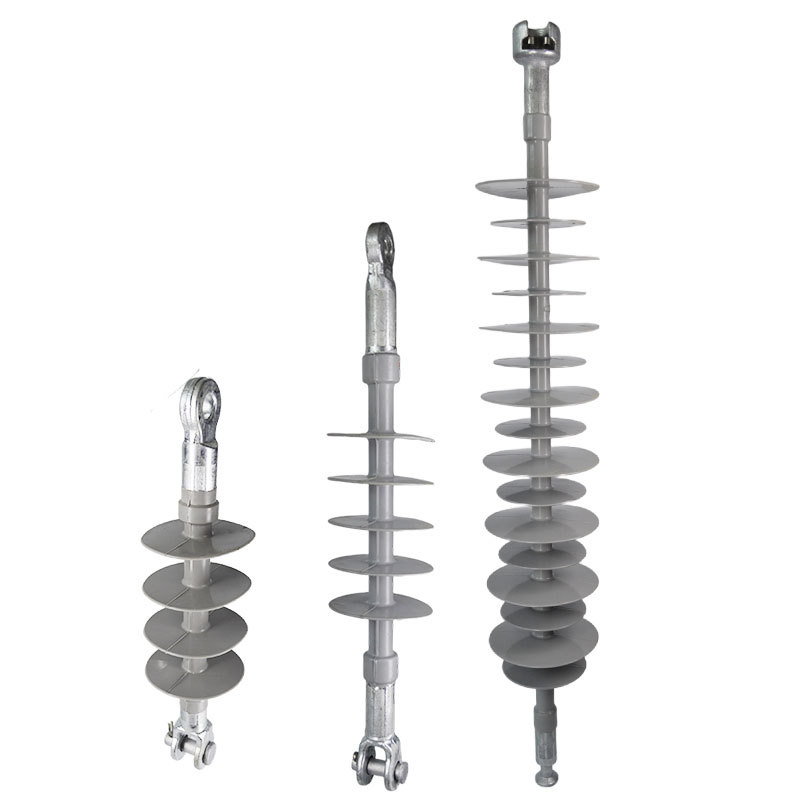
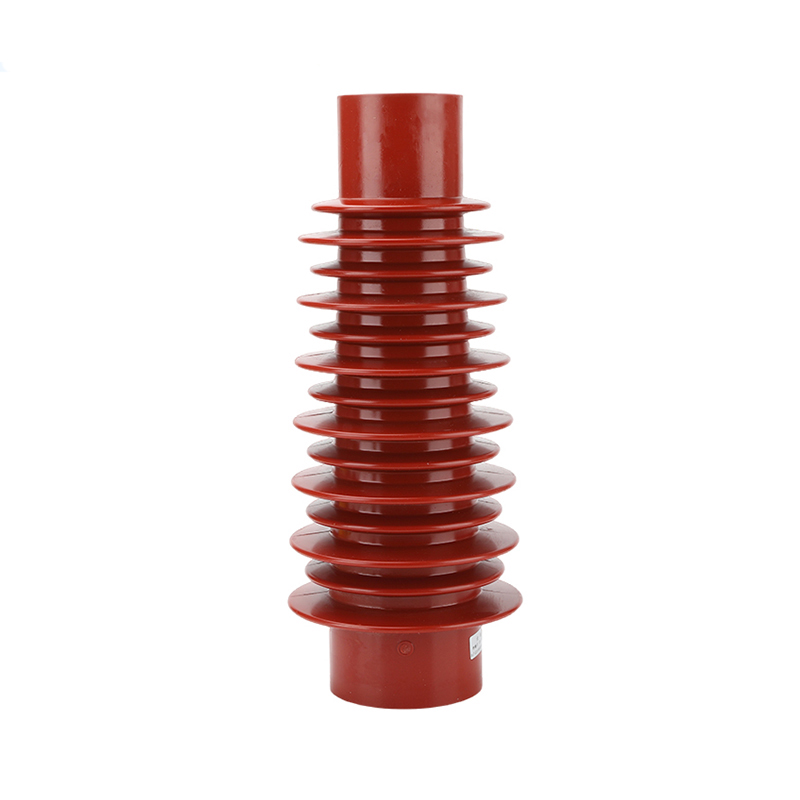
The insulator body supports energized parts and isolates them from the grounded mounting structure. Porcelain and polymer are the most common materials. Porcelain offers strong long-term performance, while polymer insulation is lightweight and often performs well in polluted, humid, or coastal areas.
Fuse Tube
The fuse tube holds the fuse link and becomes the moving part of the drop-out mechanism. It is made from arc-resistant insulating material and must withstand weather exposure, UV radiation, heat, and fault interruption stress. A cracked, burned, or damaged tube should be replaced.
Fuse Link
The fuse link is the protective element inside the tube. Its ampere rating and operating speed determine when the circuit disconnects. Fast-speed fuse links are used where rapid fault clearing is required, while slow-speed links are often selected for transformer protection because they can better tolerate energization inrush current.
Contacts and Hinge Assembly
Upper and lower contacts carry current between the line terminals and the fuse tube. The hinge assembly allows the tube to pivot down after the fuse operates. Good contact pressure and clean contact surfaces are important to prevent overheating, arcing, and premature failure.
Terminals and Mounting Bracket
Line and load terminals connect the cut out to the conductors, while the mounting bracket secures it to a pole or crossarm. Both must be compatible with the conductor size, installation arrangement, and mechanical loading requirements.
How It Protects the System
A HV Fuse Cut Out protects the system by interrupting fault current near its source. When current exceeds the fuse link’s rating for a specified time, the element melts. The fuse tube then drops open, interrupting the electrical path and creating a visible air gap.
This action helps protect transformers and downstream conductors from thermal and mechanical damage. It also reduces the fault duty placed on upstream circuit breakers and reclosers.
Standard cut outs are primarily protective devices and should not normally be opened under load unless the manufacturer specifically approves load-break operation. For planned switching, a dedicated load-break switch or approved load-break accessory may be needed.
Common Applications
HV fuse cut outs are widely used for pole-mounted transformers, transformer banks, feeder laterals, rural overhead lines, capacitor banks, and small industrial connections. An 11 kV electrical cut out switch is a common choice for networks operating at 11 kV, while other models are available for 15 kV, 24 kV, and 33 kV systems.
How to Select the Right Fuse Cut Out
Selection should be based on more than system voltage. Buyers should verify the continuous current rating, short-circuit interrupting capacity, insulation level, creepage distance, conductor compatibility, mounting style, and applicable IEC, ANSI, IEEE, or utility standards.
Fuse-link selection is equally important. An undersized fuse may operate during transformer energization, while an oversized fuse may not protect the transformer effectively. A qualified engineer should review transformer capacity, inrush current, available fault current, and upstream protection settings.
FAQ
What is an HV fuse cut out?
It is an outdoor medium-voltage device that uses a fuse link and drop-out tube to protect transformers and overhead circuits from overcurrent and short-circuit faults.
What are its main functions?
Its main functions are fault protection, circuit isolation, visible disconnection, and sectionalizing of faulted parts of the distribution network.
What happens after the fuse operates?
The fuse link melts, and the fuse tube drops open. The fault cause should be investigated before a new fuse link is installed and the circuit is re-energized.
In summary, an HV fuse cut out is a dependable and economical protection device for overhead medium-voltage systems. With the correct voltage rating, fuse link, insulation material, and installation method, it helps protect equipment, reduce outage areas, and improve operational safety.