 +86 15657752999

0102030405
Isolating Switch 101: Definition, Working Principle, and Uses
2026-10-21
Understanding Isolating Switches: The Fundamentals
A solid electric system is a must, regardless of whether it is a residential, industrial, or commercial system. One among many devices that is very crucial for the reliability and safety of electrical systems is the isolator, or the isolating switch. It is a manual device helping achieve a physical and visible separation in electrical circuits allowing safe repairs, maintenance, and upgrades. The isolator is not an automatic device and it is unlike circuit breakers.
What Does an Isolating Switch Do in an Electrical Circuit?
An isolating switch cuts the electrical path to protect personnel and equipment. By disconnecting the source from the apparatus, it prevents accidental power supply that could cause accidents or machine damage. This visible disconnection is especially critical in complex or high-voltage settings.
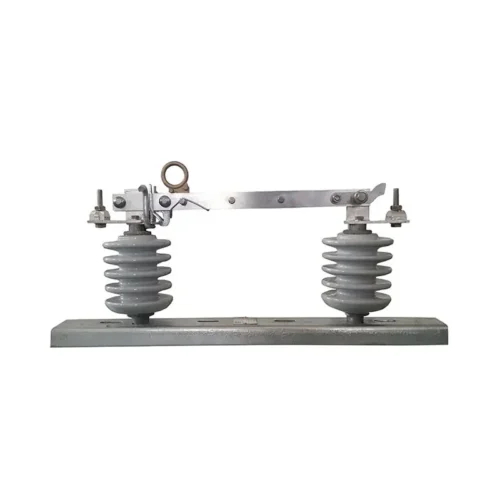
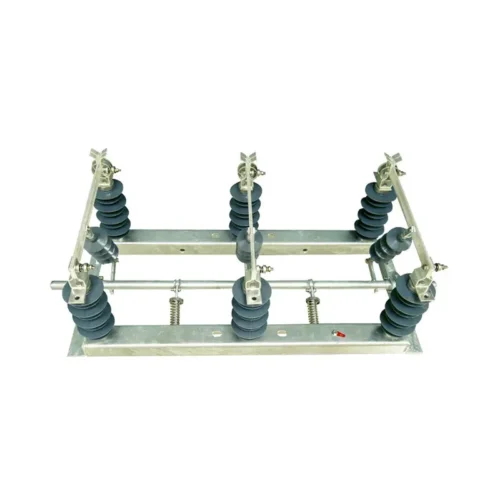
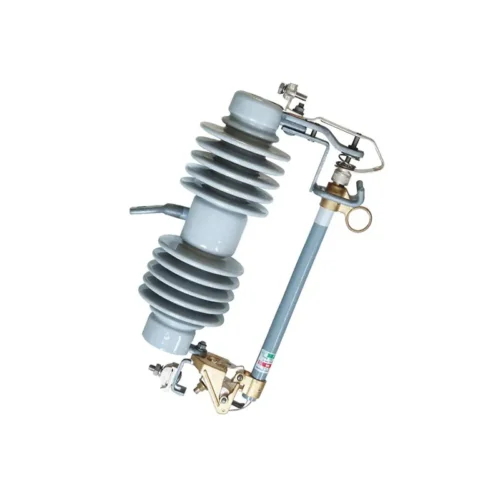
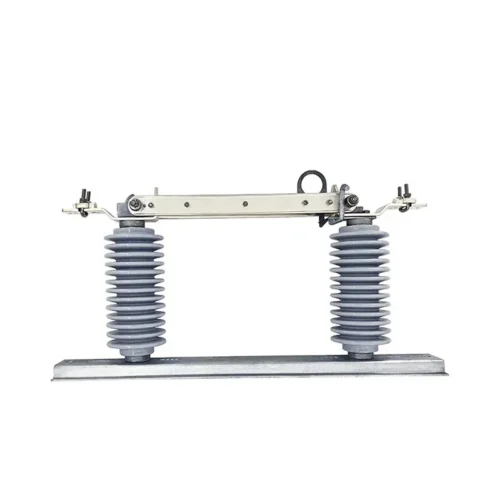
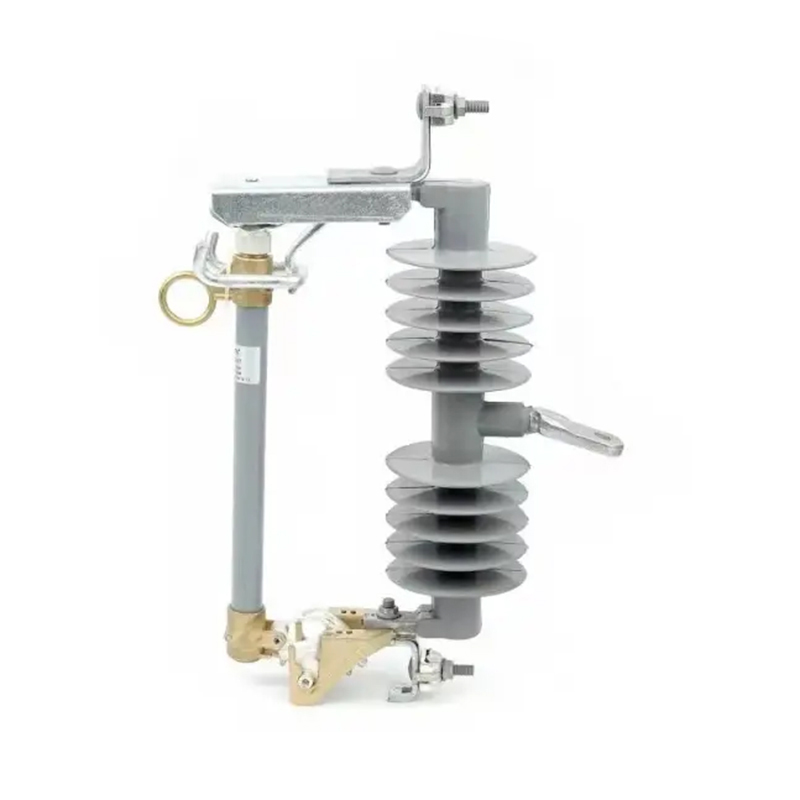
A common example is the outdoor disconnect switch—a manually operated switch used in overhead distribution systems rated up to 38kV. It can isolate or sectionalize circuits in 12kV and 36kV systems with current ratings of 400A and 630A respectively. Built with silver-plated copper contacts, porcelain or polymer insulators, and a galvanized steel base, it performs reliably even in polluted environments and meets IEC 62271-102 requirements.
Working Principle: How Does an Isolating Switch Interrupt Power?
The main operating principle of a disconnecting switch is physical separation. Here is how it usually functions:
The isolator is manually operated—once all loads are removed, the user opens the switch, moving its contacts apart. This action interrupts the electrical path, with open contacts that are often visible for guaranteed safety. Some isolating switches feature interlocks or locking mechanisms to prevent accidental or unauthorized operation.
It is essential to understand that isolators are safe devices that should never be active when the load is still live. This separates them from load-break switches or circuit breakers that are used when the circuit is live and can extinguish arc.
Where Are Isolating Switches Used? Key Applications
In a variety of situations that require safe and reliable disconnections, Isolating Switches can be found:
In power distribution networks, robust outdoor disconnect switches are installed on overhead lines or substations to divide and isolate sections as needed. In industrial plants, isolators are used for machinery and switchgear maintenance. DC isolating switches are essential in solar PV arrays and battery storage, controlling direct-current circuits for safe inspection or repair.
Telecommunication facilities, commercial properties, and residential buildings also use main isolating switches to safeguard equipment and comply with stringent electrical codes. The switch’s versatility and reliability make it suitable for everything from high-voltage substations to home distribution boards.
Key Features and Selection Criteria for Isolating Switches
Selecting the right Isolating Switch involves balancing several key parameters:
Voltage and Current Ratings: Ensure compatibility with your system. Outdoor isolating switches for 12kV and 36kV, handling 400A or 630A, are standard in many distribution systems.
Materials and Construction: Look for features such as silver-plated copper contacts (for low resistance and durability), porcelain or polymer insulators (resistance to environmental stress), and a hot-dip galvanized steel base (corrosion protection)—all crucial for outdoor and high-contamination settings.
Compliance: The best isolators comply with international standards, like IEC 62271-102, for proven safety and performance.
Environmental Suitability: Outdoor switches should be weather-resistant, while those for harsh or polluted environments must maintain reliability under stress.
Benefits and Maintenance of Isolating Switches
The main benefit of installing a proper Isolating Switch is the assurance of visible, reliable circuit disconnection during maintenance—crucial for operator safety and regulatory compliance. Their rugged design, particularly features like silver-plated contacts and advanced insulators, ensures longevity even in extreme conditions.
To maximize this reliability, regular inspection is essential: check for smooth operation, clean contacts, and undamaged insulators. For outdoor disconnect switches, verify that seals are tight and free from contamination. With minimal upkeep, these switches can last for years, providing safety across electrical infrastructures.
FAQs on Isolating Switches
Can an isolating switch be operated while the circuit is live?
No. It should only be opened after all loads are removed; unlike a circuit breaker, it cannot interrupt live load current or extinguish arcs.
What is the difference between an isolating switch and a load-break switch?
An isolator provides physical, visible separation with no load current, while a load-break switch is designed to open circuits that are still carrying current.
Are isolating switches suitable for solar or battery storage systems?
Yes. DC isolating switches are specifically used in solar PV arrays and battery storage to safely control direct-current circuits during inspection or repair.
What Should I Consider Before Installation?
Check the switch’s voltage/current rating, the operating environment, construction quality, and compliance with standards like IEC 62271-102.
Isolating Switches are vital to electrical safety and system reliability. Whether ensuring safe maintenance in a heavily polluted substation or providing protection in routine industrial upgrades, features like robust construction, international certification, and tailored voltage ratings guarantee optimal performance. Their visible and positive disconnection helps protect both people and critical equipment, making them a non-negotiable element in any modern electrical distribution network.