+86 15657752999

0102030405
Isolating Switch: Functions, Safety Tips and Buying Guide
2026-10-30
An isolating switch is an important safety element found within electrical systems. It provides safety to workers and equipment during maintenance or emergencies. The proper use of isolating switches is vital to the safeguarding of people and property. This article will look closely at isolating switches, their use, and important tips regarding safe and effective use.
What Is an Isolating Switch and How Does It Work?
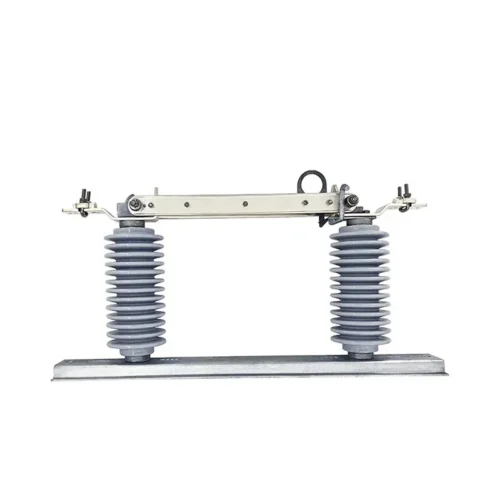
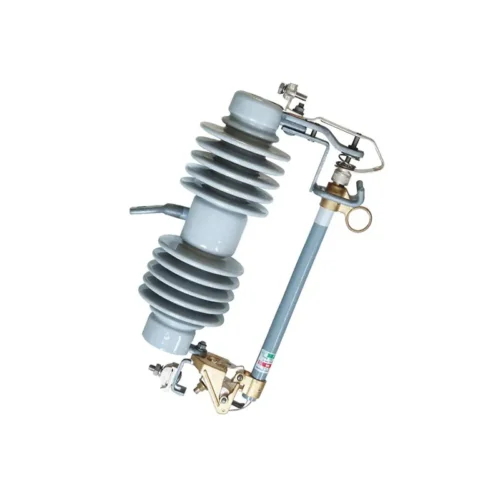
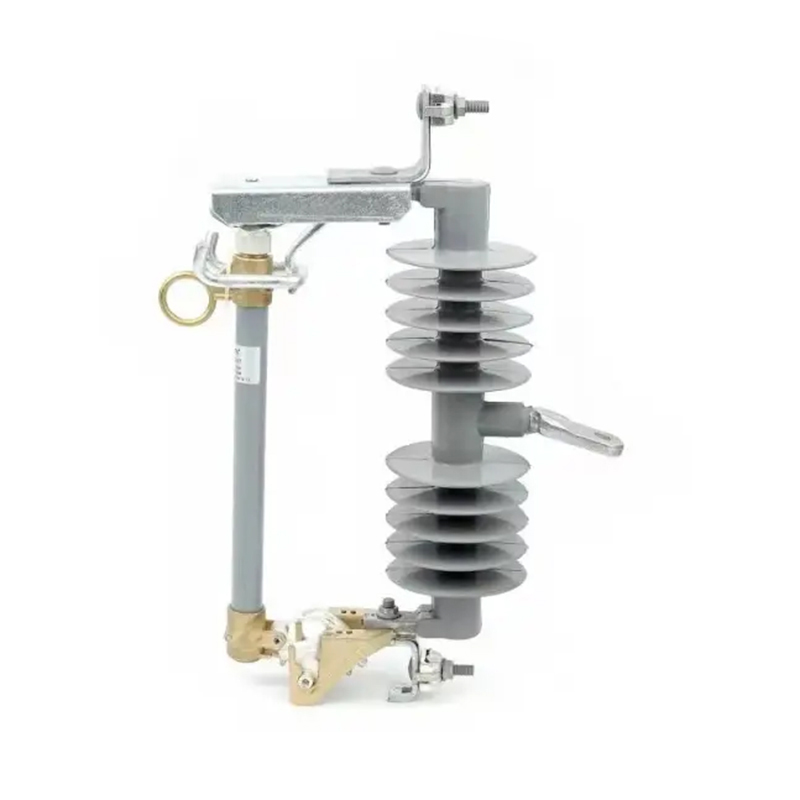
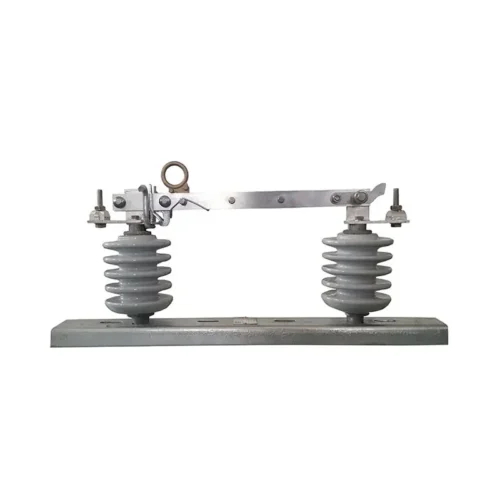
An isolating switch separates wiring circuits from the electricity supply, resulting in an open circuit at the switch. Unlike a circuit breaker, an isolating switch does not cut the current but serves the purpose of isolating part of the circuit for safety during service activities.
The isolator connects course of electric energy when it is "on" and does not allow for the normal movement of electric energy course. When isolation is "off," the isolator does not allow the circuit to be energized inadvertently. Many types of isolating switches are already equipped with special locking mechanisms that enable maintenance personnel to keep them in a position of off isolation without any chances of having the circuit energized by mistake again.
Types and Applications
Choosing the correct isolating switch depends on your system’s requirements. Common types include:
Single Pole: Used in basic residential applications to isolate single-phase power.
Double Pole: Disconnects both live and neutral wires, protecting complete circuits in homes or offices.
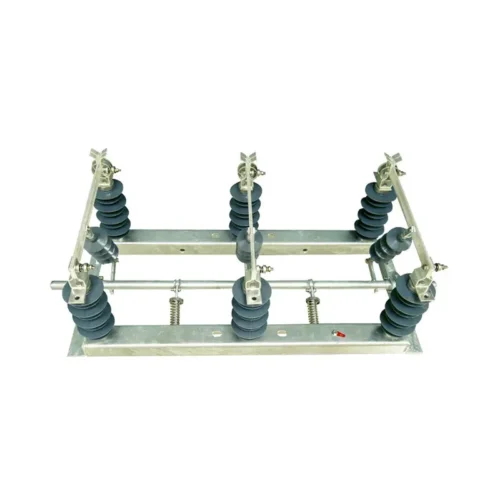
Isolating Switch 3 Phase: This type of connectors is suitable for industrial and commercial applications because it isolates all three wires of a three-phase circuit which is a requirement for high power applications.
Isolating Battery Switch: Facilitates fast disconnect in automotive, solar, and battery backup systems for safety and protection from failures.
Key Factors to Consider When Buying an Isolating Switch
For the safest and most effective solution, consider:
Voltage and Current Ratings: Select a switch rated for the maximum expected load to avoid overheating and hazards.
Number of Poles: Match the switch to your circuit’s configuration (single, double, or three-phase).
Application Environment: Indoor/outdoor, residential, or industrial, ensure the switch is designed for your setting.
Certifications: Go for switches that comply with internationally accepted safety standards which ensures reliability and compliance with regulations.
Additional Features: Decide if lock-off mechanisms or status indicators are needed for extra safety.
Safety Precautions When Operating an Isolating Switch
Following correct procedures maximizes safety and extends switch lifespan:
Verify that the circuit is de-energized: Before commencing work downstream, check zero voltage with a voltmeter.
Use lockout-tagout techniques: In workplaces with multiple users or cases of industrial operations, it is important to use locks for obstruction of accidental energization.
Keep checking consistently. Look out for signs of damage, rust or mechanical fault, and replace malfunctioning switches quickly.
Do not change when under load: Disconnecting switches are not meant to break current while still operational; you should turn off the equipment before isolating.
Common Installation and Maintenance Mistakes to Avoid
Avoid these pitfalls to ensure your isolating switch operates effectively:
Incorrect sizing: Using a switch with inadequate ratings can cause overheating and failures.
Poor grounding: Proper grounding is essential for safe operation.
Improper environmental selection: Ensure the switch matches the conditions, especially for outdoor or harsh environments.
Neglecting inspections: Regular checks catch issues early, preventing costly failures.
Frequently Asked Questions
Can an isolating switch be used to turn off equipment under normal load?
No. An isolating switch is not designed to interrupt current under load. Equipment should be switched off first, then the isolator operated to isolate the circuit for maintenance or emergencies.
What is the difference between a single-pole and a double-pole isolating switch?
A single-pole switch isolates one line and suits basic single-phase applications. A double-pole switch disconnects both live and neutral, providing fuller circuit isolation for homes or offices.
Why is lockout-tagout important when using an isolating switch?
Lockout-tagout prevents accidental re-energization, especially where multiple workers share a system. It keeps the switch securely in the off position and protects personnel during maintenance.
Do I need a 3-phase isolating switch for a commercial installation?
If the system is three-phase, yes—a 3-phase isolator disconnects all three lines, which is required for safe isolation in industrial and commercial high-power applications.
The importance of isolating switches in electrical safety is indispensable as they offer a secure means of disconnecting to perform maintenance and emergency operations. Knowing their kinds, usages, and precautions would help you pick a good option for your application. By implementing right installation and maintenance measures and choosing certified products, you guarantee safety, reliability, and compliance for all of your electrical projects.