+86 15657752999


0102030405
Lightning Arrester: Complete Guide & Selection
2026-09-18
A sound and dependable electrical infrastructure begins with strong shielding against lightning strokes and surges. In contemporary power systems, the Lightning Arrester serves as an important player in safeguarding equipment and people. This all-encompassing guide discusses everything about lightning arresters, including its definition, mode of operation, applications, types, selection parameters, and frequently asked questions by buyers or engineers. If you are a facility supervisor, an engineer, or an acquisition specialist, this article will help you get acquainted with the topic of lightning arresters so that you can make informed decisions.
What Is a Lightning Arrester?
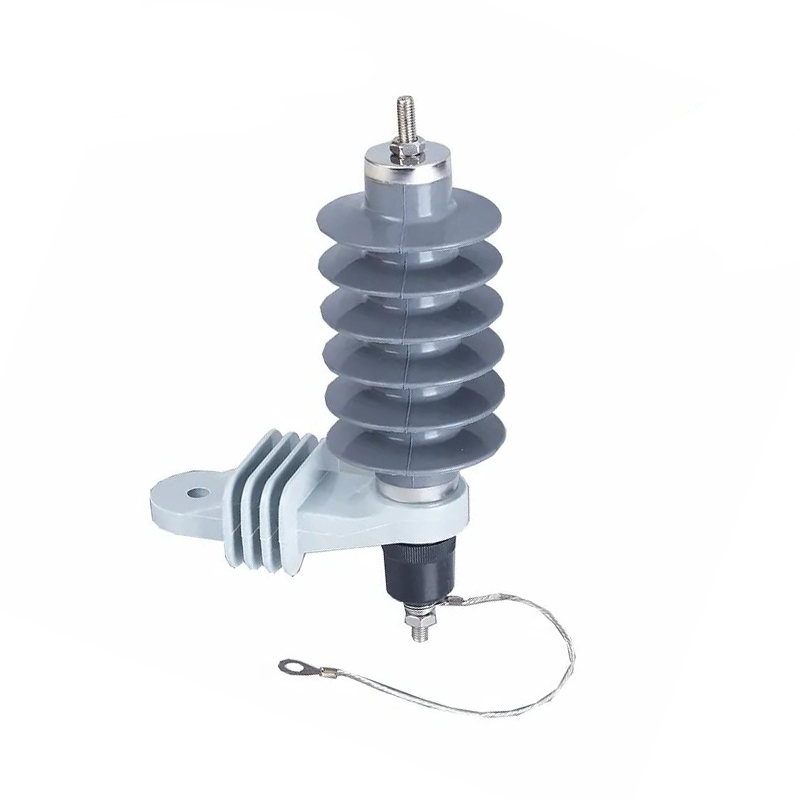
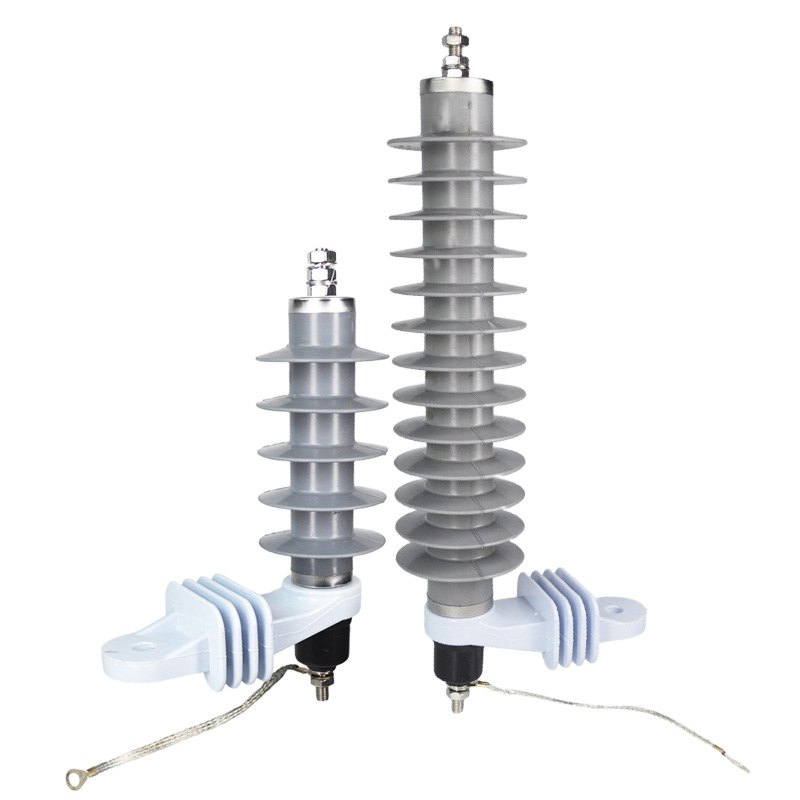
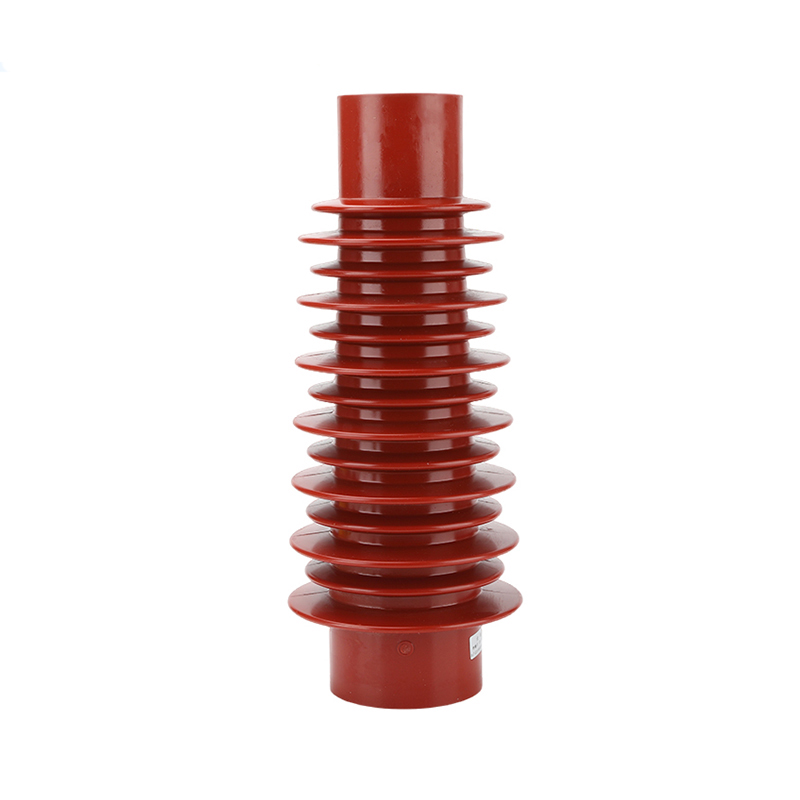
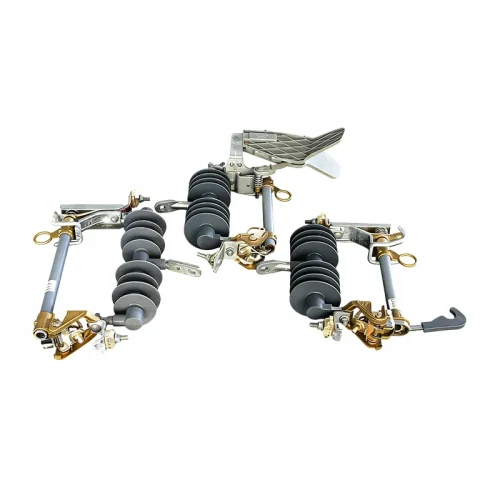
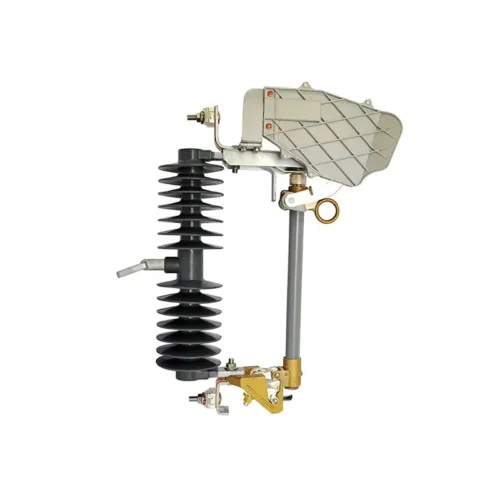
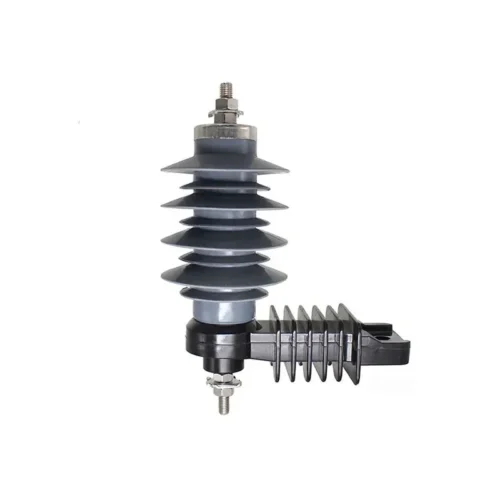
The Lightning Arrester, also known as a surge arrester or simply an arrester, is a device that helps to deal with the over voltage caused due to lightning. This piece of equipment acts as a safety device and verifies that the high voltage is discharged through a safe route via the arrester to avoid damage to various kinds of equipment.
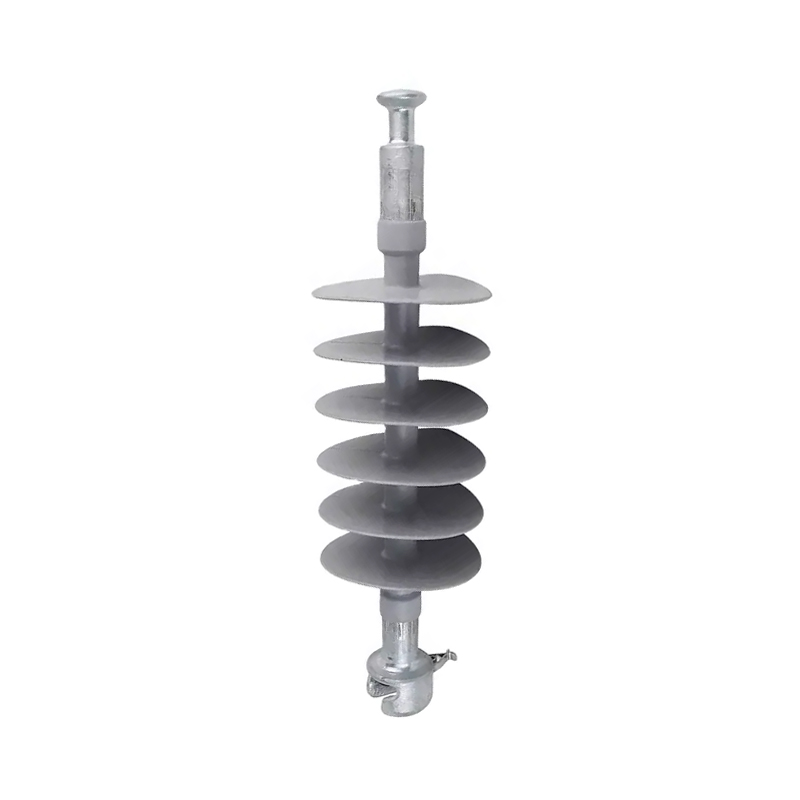
The lightning arrester acts like a security guard, seated at the meeting point of the power line and earth. When a surge happens, the arrester acts quickly, sending excess voltage straight to the ground before it's able to cause any damage to electrical devices or problems with electricity supply. At first glance, the lightning arrester may appear to be just a normal insulator, but it has been carefully designed on the inside to create an efficient and effective solution.
Working Principle & Applications of Lightning Arrester
It works on the principle of providing a low impedance path for surges and maintaining a high impedance during normal operation. When a surge occurs in the power line, the arrester detects it and very quickly switches to the conducting state. Usually, it consists of gas-filled gaps or solid-state materials that respond to over voltages, thus allowing the surge current to be dissipated to ground and return to the non-conducting state again.
Lightning arresters are employed in a huge range of applications:
- Power distribution and transmission lines
- Electrical substations
- Solar photovoltaic installations (Solar lightning arrester)
- Transformer protection
- Residential and commercial buildings
- Telecommunication towers
- Industrial and oil & gas facilities
Protecting these assets goes beyond simply avoiding repair costs; it is about guaranteeing service continuity, achieving compliance, and ensuring the safety of society.
Lightning Arrester Types: ZnO, SiC & Their Differences
Different types of lightning arresters have been designed for different voltages, conditions, and operating principles. The most prevalent kinds of lightning arresters are:
Zinc Oxide (ZnO) Lightning Arrester
Zinc Oxide Lightning Arrester comprises the present benchmark in surge protection. Zinc oxide arrester functions without any series gaps, using the highly nonlinear characteristics of zinc oxide varistor. This technology guarantees better performance, fast reaction time, and low leakage current during regular conditions.
Key Advantages:
- High energy absorption capacity
- Fast response to transient overvoltages
- Low residual voltage (better protection for sensitive electronics)
- Compact, lightweight and maintenance-free
ZnO lightning arresters are extremely advantageous for the high power utilities, sub-stations and renewable energy plants including solar lightning arresters.
Silicon Carbide (SiC) Lightning Arrester
The Lightning Arrester made from Silicon Carbide (SiC) was the leader in the industry at one time. It consists of gaps and resistors of Silicon Carbide. In case of a surge, the gaps get damaged allowing the current to pass through the resistor of SiC to the ground.
Despite being dependable, SiC technology is accompanied by a more substantial leakage current and less efficient operation than ZnO technology. Today, SiC is losing its position in the industry and is exclusively used in traditional systems.
Main Differences:
- ZnO arresters are maintenance-free, while SiC arresters may require periodic inspection.
- ZnO offers lower leakage current and greater protective efficiency.
- SiC units are often larger and heavier.
Other Types: Conventional & Special Purpose Lightning Arresters
Aside from ZnO and SiC, various types of lightning arresters are available ranging from the ones designed for conventional use to the specialized ones since each type is suitable for a specific lighting protection requirement.
Rod Gap Arrester: It is the simplest variation made of two rods distanced by the air gap. The form is often beneficial for low-risk and low-cost situations, although it is rather limited in terms of protection and selectivity.
Valve Type Arrester: These consist of a row of spark gaps along with non-linear resistors—primarily older types based on SiC technology. Although they are sturdy when compared to rod gaps, they are still not as efficient as the ZnO variety.
Solar Lightning Arrester: They are specifically designed to shield solar photovoltaic panels and inverters from lightning strikes. These devices must be compatible with the DC voltage generated by solar energy and are usually installed on rooftops or in the open fields where lightning incidence is significant.
Lightning Arrester Selection Guide: Key Parameters & Standards
Choosing the right lightning diverter is the most important step for purchasers or engineers. The choice of poorly sized or improperly chosen diverters can lead to a lack of safety, protection or money. Here are things that should be taken into account:
1. System Voltage
You need to determine the maximum continuous operating voltage for your particular system. The lightning arrestor must be rated for a voltage level that is less than the breakdown voltage level but higher than the operating voltage level.
2. Surge Current Capacity
Determine the expected surge size. Industrial plants or substations could possibly experience bigger lightning strikes than household or commercial buildings. Check that your selected arrester can cope with surge currents of maximal value, usually measured in kiloamperes (kA).
3. Location & Environmental Conditions
Look at humidity, elevation, pollution and circumstances associated with staying outside. Certain arresters come with protective covering or weatherproof casing for dealing with rough environment.
4. Coordination with System Protection
The gas discharge arresters must be aligned with the level of insulation and other protection devices (such as fuses and circuit breakers) to achieve the maximum efficiency.
5. Standards & Certification
Opt for lightning arresters that meet global standards such as IEEE C62, IEC 60099-4, and ANSI/IEEE testing criteria. Certification guarantees reliability, safety, and efficiency.
6. Application Type
The shock absorbers for photovoltaic systems, conventional electric power networks, transformers, or telecommunications systems should be designed according to the required voltage, frequency, and grounding systems.
Installing Lightning Arresters: Best Practices
It is crucial that the installation be carried out correctly. In addition, the lightning arrestors should be placed as close to the equipment being protected as possible to reduce the length of leads and increase the effectiveness of ground connection.
Key Installation Tips:
- Use short, thick, and direct grounding cables for minimum resistance.
- Regularly inspect arrester connections and housings for corrosion or physical damage.
- Maintain clearances as specified by the manufacturer.
- Ensure compatibility of arrester voltage ratings with system voltages.
For solar setups, lightning protection devices should be set up on both direct and alternate current circuits in order to safeguard inverters, panels, and devices used for monitoring processes from a distance.
Maintenance & Lifecycle of Lightning Arresters
Even though most ZnO arresters do not require maintenance, regular inspections are important with older models in older installations and those in elevated risk situations. Take note of the following signs:
- Physical cracks or degradation
- Unusual leakage current
- Visible corrosion or water ingress
Arrange for expert examinations to take place after major storms, and maintain logs of arrester replacement intervals. Usually, a lightning arrestor is good for 10 to 20 years depending on the use and number of strikes.
A number of suppliers now provide electronic monitoring instruments for advanced assessment of transformer condition in substations or important sites.
FAQ: Common Questions About Lightning Arresters
What Standards Should Lightning Arresters Comply With?
When making a selection for lightning arresters, it is important to check if they comply with the standards set by the IEC 60099-4 and IEEE C62 organizations, and also local electrical codes. It is crucial to use lightning arresters that are certified by reputed testing agencies.
How Do I Choose the Right Lightning Arrester?
Take into account system voltage, expected surge current, environmental conditions, application type and standards. If you are confused, ask manufacturers or electrical engineers for help, particularly for complicated industrial or solar applications.
Do I Need a Solar Lightning Arrester for Photovoltaic Systems?
Sure! Solar lightning arresters safeguard the DC components of solar panels, inverters, and other equipment from surges. It is imperative to use arresters rated specifically for DC voltage for the best protection in solar installations.
Why Lightning Arrester Selection Is Critical for Buyers
Choosing and installing a Lightning Arrester is not just about meeting technical requirements. For installers, facility managers, and buyers, the wrong model or incorrect installation can affect system stability, damage equipment, or even cause serious safety problems.
Reputable manufacturers usually provide detailed datasheets, compatibility guides, and after-sales support. Talking with reliable distributors and experienced engineers helps you choose faster, stay compliant, and get better protection. Whether for a small house or a large industrial site, cutting corners on lightning protection is never worth it. A Lightning Arrester is a key part of modern electrical safety. Understanding its working principle, types, applications, and selection factors helps users and engineers make wise choices and ensure safety and reliability. Proper deployment matters even more today, as technology advances and surge risks grow, especially in renewable energy and critical infrastructure.