+86 15657752999


0102030405
Lightning Arrester Standards and Specifications
2026-08-07
When it comes to protecting infrastructure from the potentially devastating effects of lightning strikes, understanding lightning arresters is essential. These crucial components are not merely protective devices; they play a significant role in safeguarding buildings, telecommunications, and other vital installations. In this article, we will explore what a lightning arrester is, highlight key international standards, define technical specifications, and explain how to verify compliance with these standards.
What Is a Lightning Arrester?
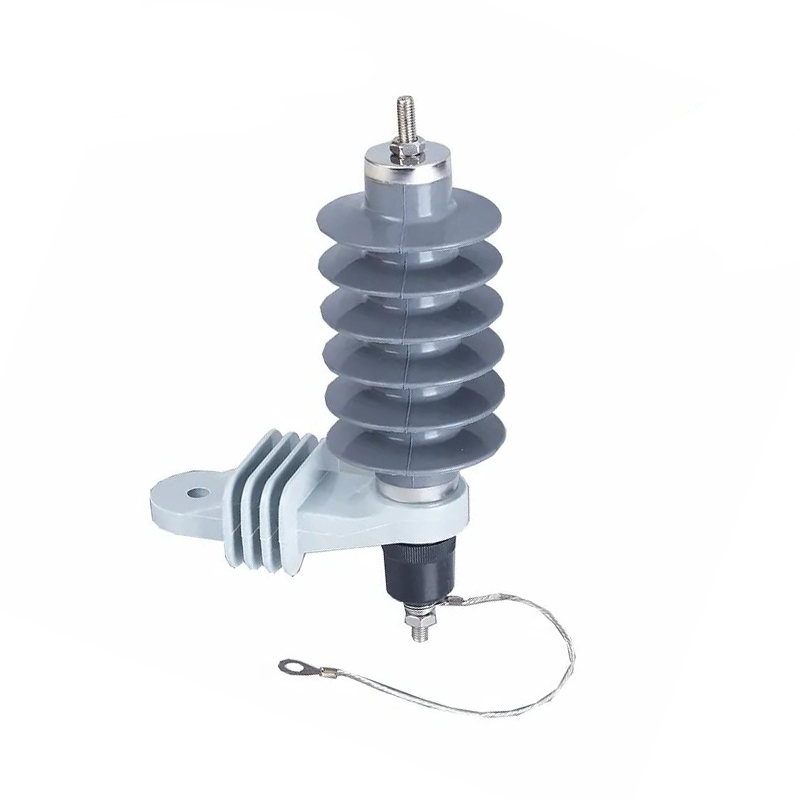
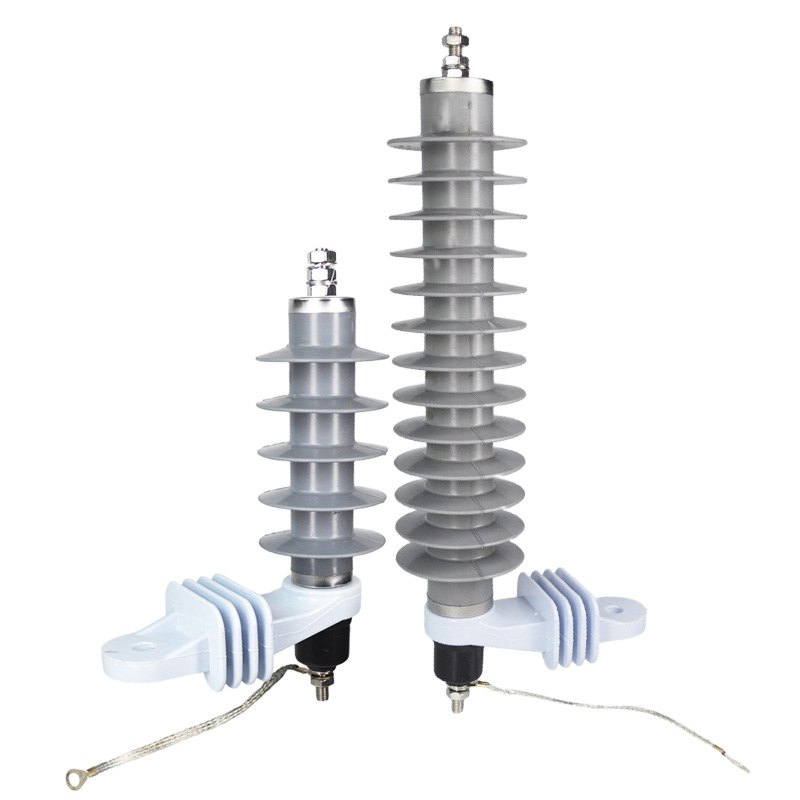
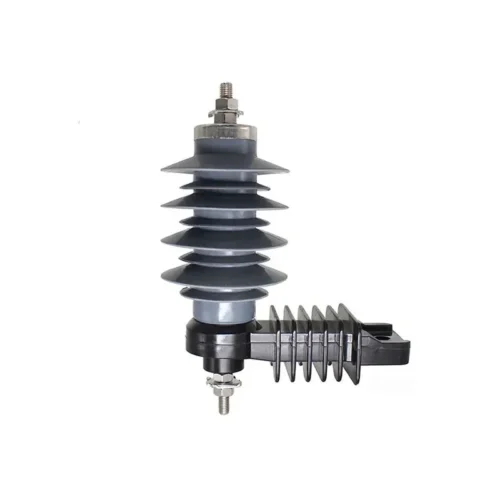
A lightning arrester, also known as a lightning protection device, is engineered to safeguard structures by directing the electrical surge caused by a lightning strike safely into the ground. These devices can significantly minimize the risk of fire, electrical damage, and personal injury due to lightning strikes. Essentially, they act as a fail-safe, allowing the electricity to bypass sensitive equipment and safely dissipate into the earth.
Key International Standards Overview
The performance and reliability of lightning arresters are governed by various international standards. The most recognized standards include:
- IEC 62305: This is the international standard for lightning protection, which outlines the risk management process and design requirements for lightning protection systems. It provides a comprehensive framework for protecting buildings and installations against lightning strikes.
- NFPA 780: The National Fire Protection Association's standard emphasizes the installation and maintenance of lightning protection systems in structures to prevent fire hazards.
- UL 96A: This standard covers the installation of lightning protection systems and ensures that they can withstand the force of a lightning strike without failing.
Key Technical Specifications Defined
- Voltage Rating: The maximum voltage the arrester can effectively handle is crucial. Ensuring it exceeds the highest expected surge voltage safeguards your installation.
- Surge Current Rating: This indicates the highest level of surge current the arrester can divert without failure. Choosing arresters with higher ratings will provide better protection.
- Response Time: Quick response times are essential for effectively intercepting lightning strikes before they can inflict damage.
How to Verify Standards Compliance
- Certification Labels: Check for approved certification marks such as UL, CE, or ANSI on the device. These marks indicate compliance with relevant safety and performance standards.
- Manufacturer Documentation: Request technical specifications and compliance certificates from manufacturers. This documentation should outline how their products meet or exceed defined standards.
- Third-party Testing: Look for confirmation from independent testing organizations that verify performance according to international guidelines.
In conclusion, understanding lightning arresters, including their standards, specifications, and verification processes is essential for anyone responsible for property protection. By adhering to international guidelines such as IEC 62305 and NFPA 780, and verifying compliance through careful evaluation, you can effectively shield your investments from the unpredictable nature of lightning strikes.