+86 15657752999


0102030405
Lightning Arrester Types: A Complete Guide
2026-07-24
Lightning Arresters play a crucial part in protecting buildings against the varying forces of nature. Knowing about different types of Lightning Arresters is important for reducing risks associated with lightning strikes, as they can inflict significant damage to buildings, electrical systems and may even endanger lives. This article presents an overview of lightning arresters - their types, how they work, and their significance to construction and property management professionals.
Why Understanding Lightning Arrester Types Matters
It is very important to know the various types of Lightning Arresters for a number of reasons. Most importantly, these devices help to minimize the impact of lightning strikes. Moreover, choosing a specific type of Lightning Arresters will ensure that the structure is effectively protected. In addition, due to the advancement of technology and use of renewable sources of energy, choosing the right arrester is necessary for the systems utilizing solar panels.
The Evolution of Lightning Protection Technology
Lightning protection technology has undergone huge changes. From the old specimens such as rods to the modern devices that protect against surges, the means of ensuring safety of the structures are much more sophisticated. With early lightning rods just directing lightning strikes to the ground, modern devices combine advanced features such as remote monitoring and smart connectivity. The change reflects the need in effective, reliable, and intelligent protection systems that can react to the changing nature of weather and developing technological infrastructure.
How Many Types of Lightning Arresters Exist?
Numerous kinds of Lightning Arresters are available, each fulfilling its specific role. Some of the main types include:
1. Air Terminals: Many times known as lightning rods, these devices are typically placed on the highest point of the structure. They intercept lightning strike before it strikes on the building and send the energy to the ground.
2. Grounding Systems: Grounding is an essential part of any lightning protection strategy. These systems make sure that electrical surges due to lightning are carried safely into the ground, thus reducing damage.
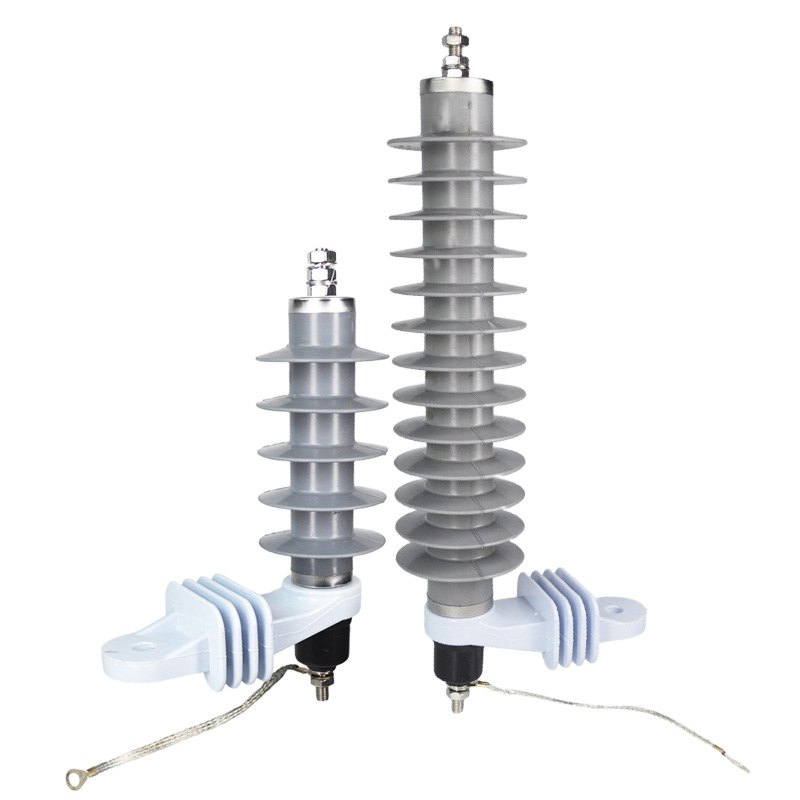
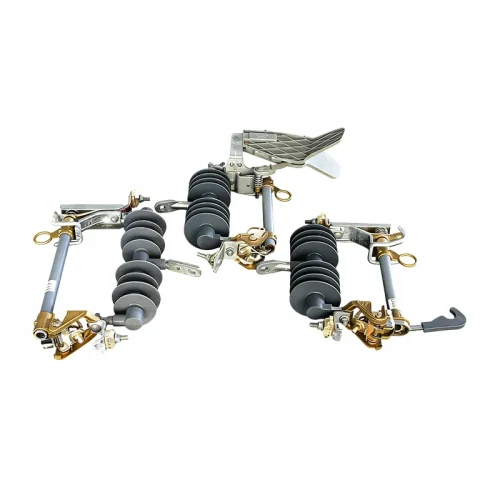
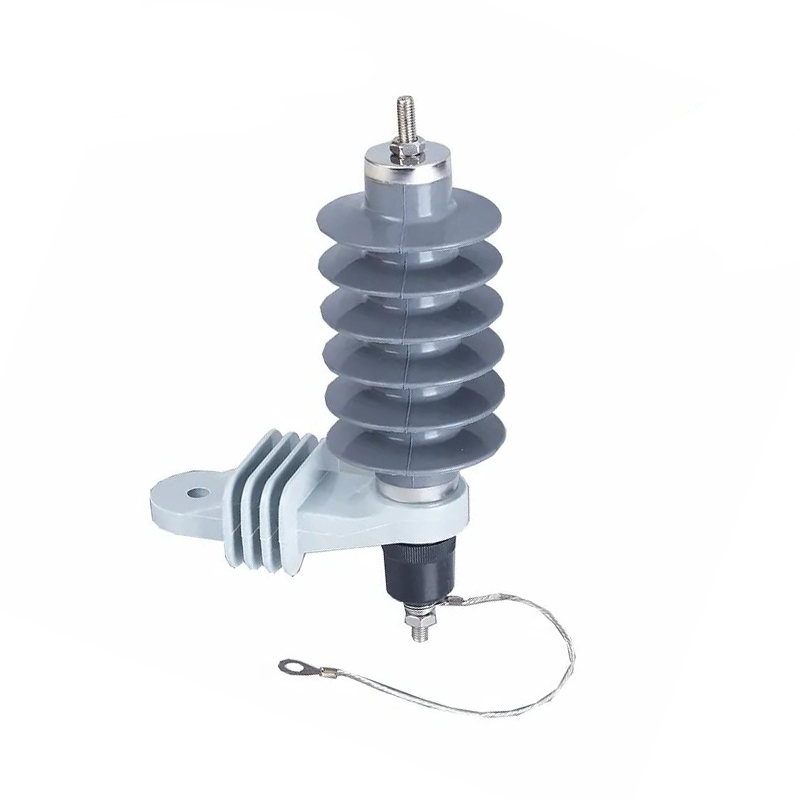
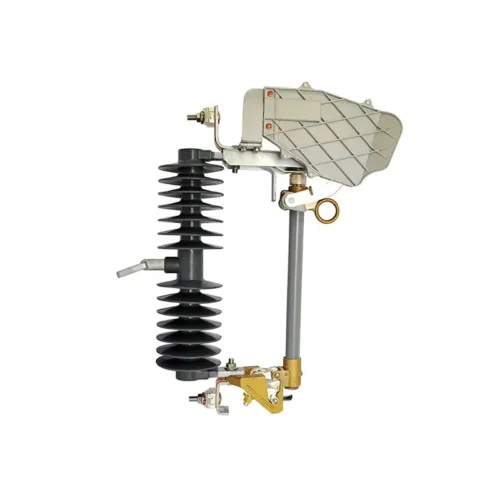
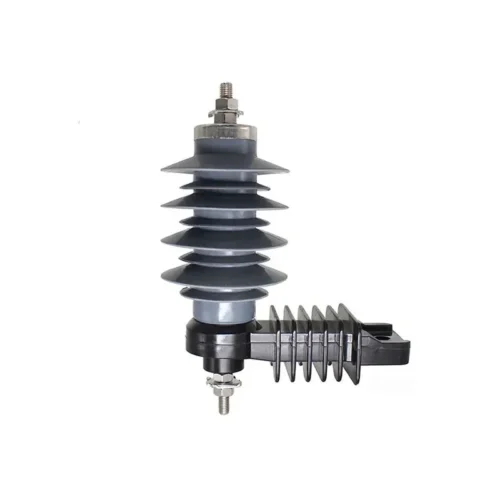
3. Surge Arresters: Surge arresters are devices that commonly serve in electric systems. Surge arresters provide protection to electrical equipments against over-voltage caused by lightning strikes.
4. SPDs (Surge Protection Devices): These are specialized surge protectors specifically manufactured for application in electrical systems in commercial and industrial environments.
Choosing the Right Lightning Arrester for Your Needs
It’s important to choose the specific type of Lightning Arrester to suit your requirements. The aspects to consider include the location (thunderstorms frequent in one location may require a different type of system), the height of the building, and the intended use of the particular building. For example, buildings housing solar energy equipment should consider using solar lightning arresters to protect the photovoltaic panels and their circuitry.
FAQs About Lightning Arresters
Q: What is the main purpose of a lightning arrester?Lightning protection devices are made to shield buildings from lightning damage by capturing and safely conducting lightning strikes to the earth.
Q: How often should lightning arresters be inspected?It is advisable to check lightning protection systems once a year, particularly when there have been severe storms.
Q: Do all types of buildings need lightning arresters?Although building lightning protection is not necessary for every structure, it is advisable for buildings located in thunderstorm-prone regions to take extra precaution.
Conclusion
In conclusion, comprehending the different kinds of Lightning Arresters and how they work is important for anyone interested in protecting their assets properly. With changes in technology also come changes in lightning protection techniques. By using the proper device you can secure your building against catastrophic weather as well as extend the lifespan of your electrical systems. Thus, investing in lightning protection is a sensible thing to do as it will bring you much security and peace of mind.