+86 15657752999


0102030405
Lightning Arrester Types, Working & Selection Guide
2026-07-01
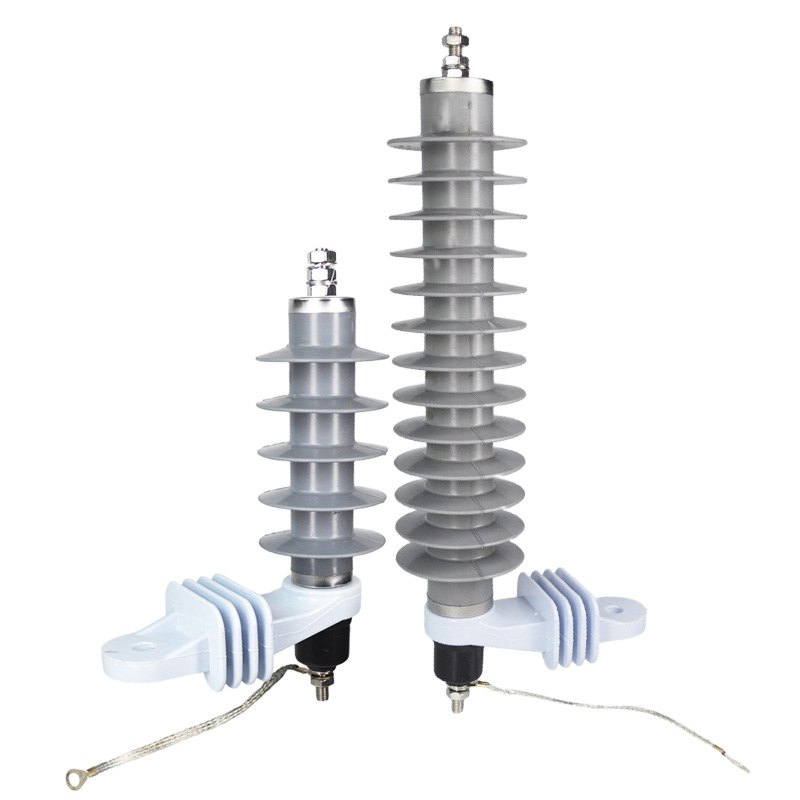
Lightning is a common occurrence in nature and can cause severe damage to electrical systems due to over-voltage or electrostatic discharge. It is important to protect electrical systems from direct or indirect lightning strikes. Lightning Arrestors are used to provide protection against both types of lightning strikes. You will be able to choose what arrestor is right for your electrical system by understanding how different types of Arrestors work, what they look like, and how to select one for your electrical system.
What Is a Lightning Arrester and How Does It Work?
A lightning arrestor diverts a surge of high-powered electric energy caused by a bolt of lightning. It does this by making a low-resistance path for a surge of electric power when there is a lightning strike. The basic principle of operation is to have a means to direct the excess voltage to earth through an arcing gap or variable resistance method, thus protecting physical facilities.
Types of Lightning Arresters
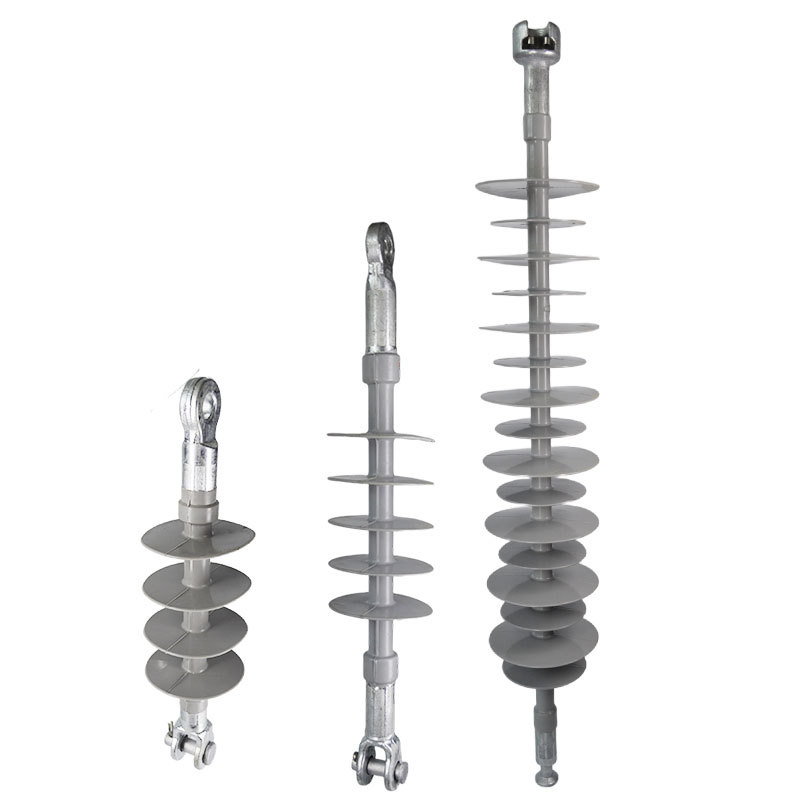
There are several types of lightning arresters, each suited to specific applications:
1. Rod Gap Lightning Arresters: The simplest type of arrester used for overhead transmission lines is often made from a rod of metal (typically copper) that has been cut so that there is a gap between the two pieces. When an electrical charge builds up to a set level on the rod, it will discharge into the air through the gap.
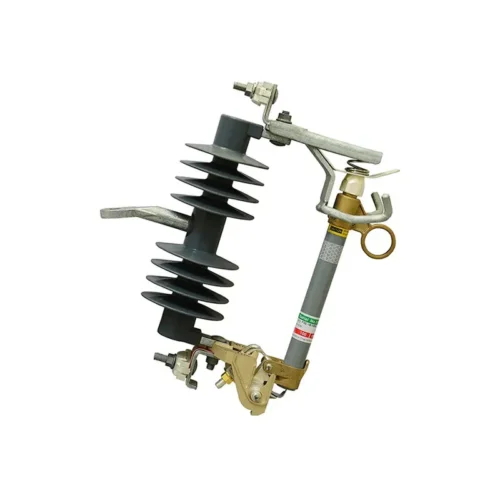
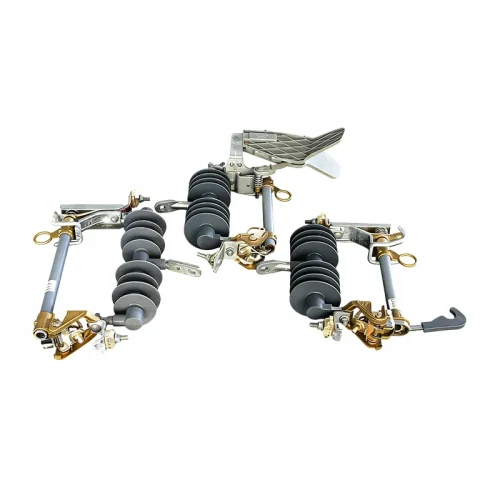
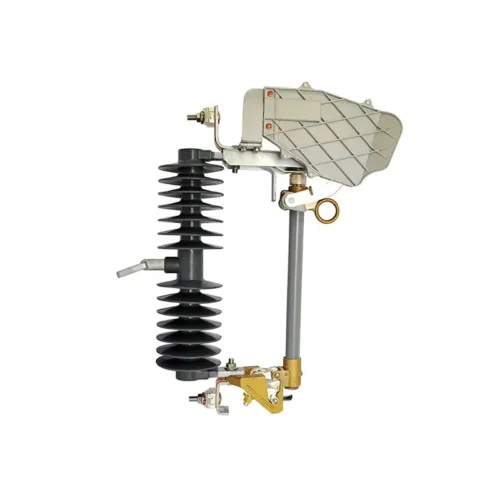
2. Expulsion Lightning Arresters: Small fuses or chambers filled with gas expel ionised gases created by a lightning strike using a fuse or a chamber filled with gas. They are typically found at substations and anywhere there is an electrical distribution system.
3. Valve Type Lightning Arresters: These are gas-discharge tubes and they were designed to work at low-voltage operations. They will effectively protect your delicate electronic devices.
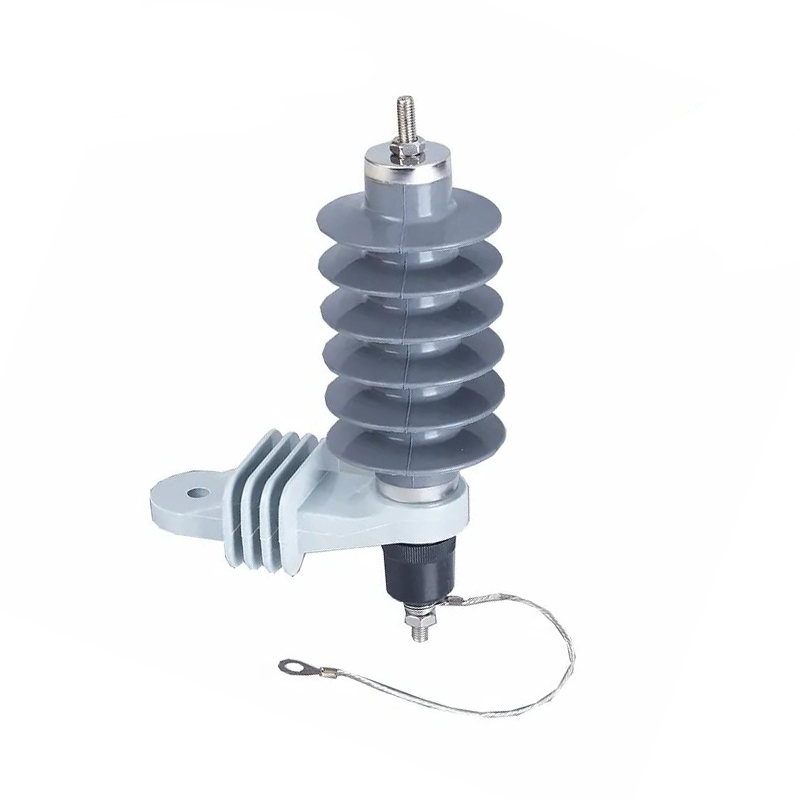
4. MOV (Metal Oxide Varistor): Surge protection devices typically employ them as their primary means for surge voltage suppression. When excess voltage occurs, the MOV will provide a path to ground to help reduce the likelihood of damage to other equipment connected through them.
Lightning Arrester vs Surge Arrester: Key Differences Explained
Due to their similar names, it is common to confuse a lightning arrestor and a surge arrestor; however, the two are very different. A lightning arrestor is specifically designed to protect against direct strikes from lightning, while a surge arrestor protects against voltage spikes from other sources (like power surges or switching operations). Surge arrestors will respond to voltage fluctuations along electrical lines and are a key component to an overall strategy for surge protection.
Lightning Arrester Installation, Maintenance & Testing Guidelines
Qualified installers must install lightning rods in accordance with manufacturer specifications and local regulations in order to operate properly and comply with local regulations. These instructions regarding location and grounding of lightning rods will ensure they provide the greatest amount of protection.
Regular inspections are conducted during maintenance so that there is no physical damage or corrosion as well as to check for normal signs of wear and tear. Maintenance inspection tests should include inspection of the grounding connections and inspection of the arrester's proper functionality.
Considerations for Selecting a Lightning Arrester
When selecting a lightning protection device, you should take into consideration system voltage, the type of equipment that will be protected, and the environment in which it will be installed. In addition, installation requirements must also be evaluated, as well as local regulatory standards.
Picking out a lightning arrestor who will minimize downtime and cost from damages caused by lightning to your equipment through proper selection of equipment.
Frequently Asked Questions (FAQ)
What is the best way to protect electrical systems from lightning?
Employing multiple types of lightning arrestors, as well as grounding methods and surge protection devices; will provide a total defense for protection from lightning damage.
Where are lightning arresters typically installed?
Lightning protection devices can be found along power distribution lines in order to ensure optimal lightning protection for all electrical distribution lines and substations, as well as sensitive electronic facilities.
Can I install a lightning arrester myself?
Although for some people, obtaining the required qualifications is within their ability to succeed, it’s generally best if you get a licensed professional (electrician/technician) to do your installation for your safety and effective use of the product.
Conclusion
So, understanding the type of lightning arresters and their associated values will improve the protection of your electrical systems; this is true whether you have a home or commercial installation. With careful maintenance and the proper selection of the correct spur suppressor, you can help ensure that your investment in your electrical system will be protected against unexpected lightning strikes.