+86 15657752999


0102030405
Lightning Arrester vs Surge Arrester: Key Differences Explained
2026-09-02
In a matter of seconds, lightning or surge may destroy appliances, solar power stations, industrial equipment, commutation technologies, and electrical systems of buildings. Although both terms may refer to more or less similar devices, it should be noted that a surge arrester differs from a lightning arrester.
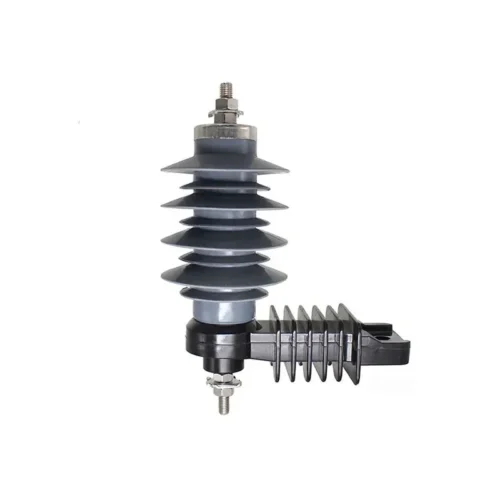
A lightning arrester can be defined as a device that is intended for the safe passage of the high-voltage electricity related to lightning, in most cases, in the field of electric power distribution and utility services. Similarly, a surge arrester or surge protection device (SPD) is used in homes, offices, and electrical panels to block the voltage shocks coming from lightning, switching devices, or disturbances of the utilities.
What Is a Lightning Arrester?
The lightning protector safeguards electrical circuits from hazardous surge currents by directing them into the ground. Voltage-wise, it is off until a surge occurs. Once a surge hits, it can conduct and carry excess energy to the ground system rather than to the protected equipment.
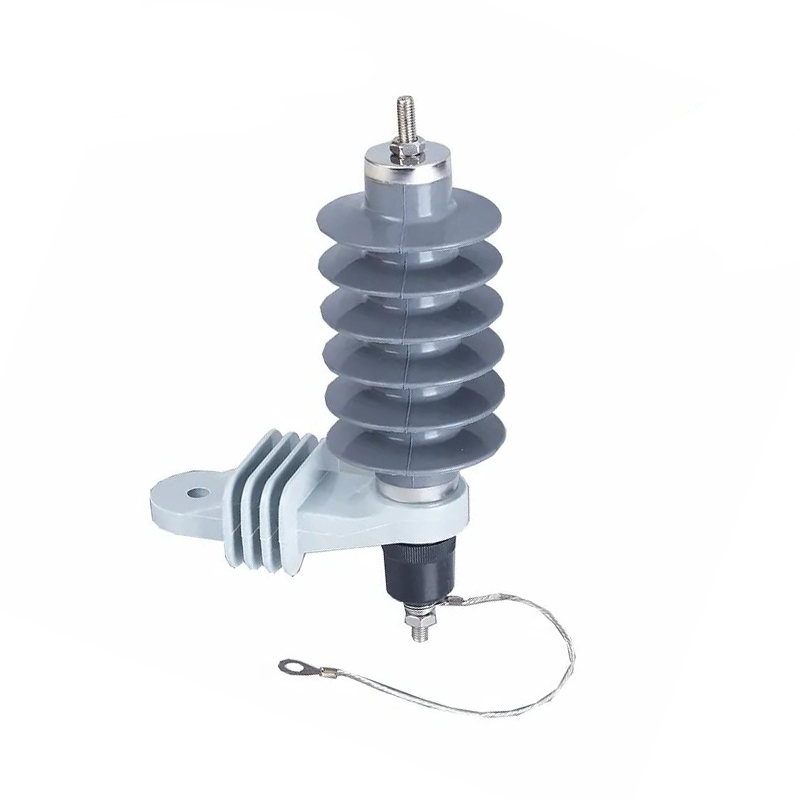
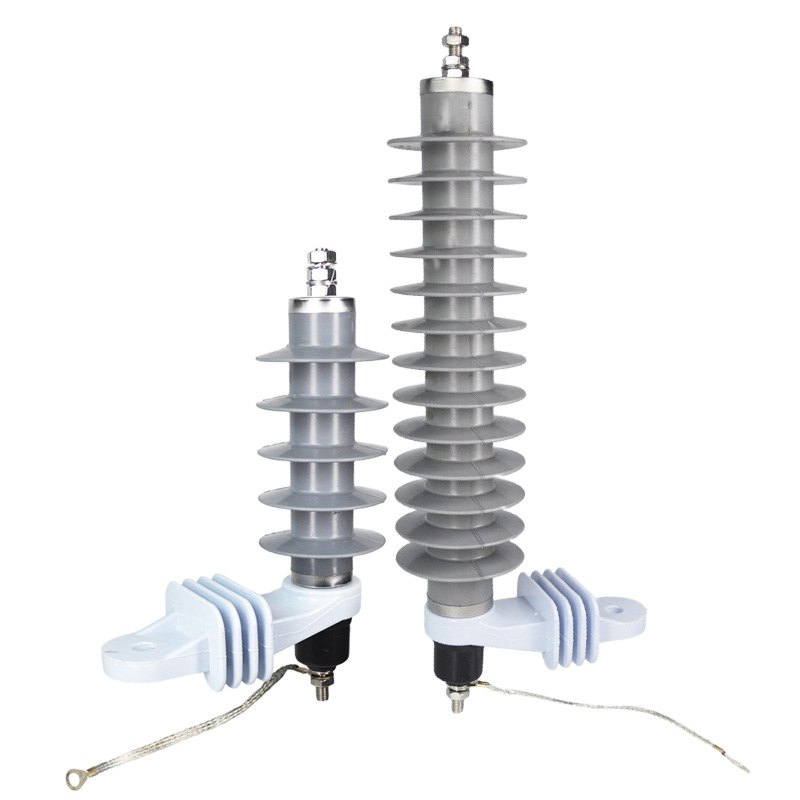
Transformers, substations, overhead power lines, switchgear, or medium and high voltage systems are places where lightning arresters are typically installed. Modern lightning arresters normally use metal oxides, especially zinc oxides, as the main components to detect surges almost instantaneously.
It must be kept in mind that there is a significant difference between a lightning rod and a lightning arrester. While lightning rods are used to intercept lightning strikes, an arrester is designed to guard circuits against flow of high voltage surges. There are chances that for complete lightning protection both methods may be required.
What Is a Surge Arrester?
A surge arrester (also known as a surge protective device or SPD) devices are designed to protect electrical distribution systems from undesirable voltage spikes that may occur in the system. The spike can occur when nearby lightning strikes, electricity switching from utility companies, use of motors, elevator operation, HVAC systems, etc.
Surge protectors are found in a number of places such as power distribution boards or electrical boxes, control cabinets, photovoltaic systems, electric vehicle chargers, and storage cabinets for data devices. They limit surges in voltage and carry excess electrical current away to the ground.
For instance, a whole-house SPD may be good for protecting televisions, computers, fridges, smart home devices, and HVAC systems. Proper grounding and bonding should be used during installation to provide good protection.
Key Differences at a Glance
| Feature | Lightning Arrester | Surge Arrester / SPD |
|---|---|---|
| Main purpose | Diverts high-energy lightning-related surges | Limits transient voltage spikes on circuits |
| Typical use | Transformers, power lines, substations, high-voltage systems | Homes, buildings, panels, machinery, and electronics |
| Common surge sources | Lightning and major power-system events | Lightning, switching, motors, and utility disturbances |
| Installation point | Near incoming power equipment or utility assets | Main panels, subpanels, branch circuits, and equipment |
Some of the terms used by manufacturers in various regions include "lightning arrester," "surge arrester," and "SPD." It would be best to confirm the specifications of the products instead of basing your judgment solely on the product title.
Which One Do You Need?
A surge protective device at the main service panel is normally the best option for most residential and commercial properties. When choosing a lightning arrester for home installations, factors like electrical voltage, local regulations, and anticipated surge exposure, should be taken into consideration.
Layered protection is often the best option for industrial locations, big structures, solar power installations, and places with heavy lightning. Install protection in the main panel, additional protection in downstream panels, and also install protection for sensitive equipment at the points of use. In addition, buildings with open roofs, tall buildings, or significant operations should probably have an exterior lightning protection system installed as well.
Select a lightning arrestor with appropriate voltage ratings for transformers, overhead wiring, substations, and equipment suitable for medium voltage, as well as the right amount of discharge current.
Understanding SPD Types
- Type 1 SPDs are installed at or near the service entrance and handle high-energy incoming surges.
- Type 2 SPDs are installed at distribution panels and subpanels.
- Type 3 SPDs are placed close to sensitive equipment, such as computers or control systems.
Employing multiple protection layers leads to decreased remaining surge voltage while traveling within the electrical systems.
What to Check Before Buying
Choose an appliance that fits the requirements of the voltage range of your system (for instance, 120/240 V, 230 V, or 400/415 V). Check its maximum continuous operating voltage (MCOV), voltage protection class, surge current rating, short circuit current rating, housing rating, and compliance certification status.
Grounding is a prerequisite for installation of a lightning rod for building installations. Improper connections, overlong wires, the wrong dimension of the connection elements, and improper earthing can all negatively impact the performance of a lightning rod. We recommend following the instructions from the producer and hiring a qualified electrician.
FAQ: What Is a Lightning Arrester?
When high-voltage surge energy due to lightning strikes, a lightning arrester safely reroutes the energy to the ground, safeguarding electrical equipment, transformers, and other assets connected through the power system.
What Is a Surge Arrester?
A surge protector is a device that can protect electrical circuits from the short-term overvoltage caused by lightning, electrical devices, or switching.
Can a Surge Arrester Protect Against Lightning?
Indeed, it can help mitigate the impact of lightning surges traveling through electrical or communication lines, but it does not serve as a substitute for good grounding, bonding, or an external lightning protection system when it is required.
Is a Lightning Arrester the Same as a Lightning Rod?
A lightning rod catches the actual lightning strike while an arrester or surge protective device shields electrical systems from excessive voltage.
Based on the above descriptions, both lightning and surge arresters behave in the same way in the case of voltages above critical limits, although the particular uses of devices are different.
In this case, we have lightning arresters applied mostly for high-power protective needs, while SPDs have a more domestic-wide application. The best solution would be combining properly rated devices with proper grounding and bonding.