+86 15657752999


0102030405
Lightning Arrester: What Is Its Purpose?
2026-08-19
While people may think of thunderstorms and the activity of the lightning as impressive, it is important to remember that storms present a threat to buildings, homes, and electronics in general. This is where lightning arresters come in, serving as one of the first lines of defense against the destructive force of nature itself. In this article, we will define lightning arresters and discuss how they work, compare them to surge arresters, and provide some tips on how to choose an effective lightning arrester.
What Is a Lightning Arrester?
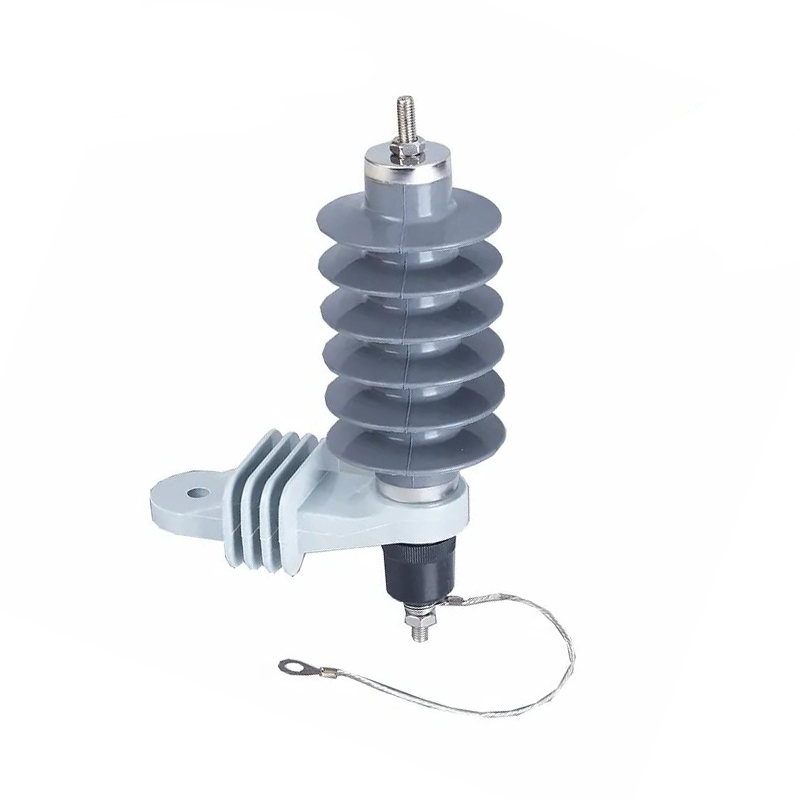
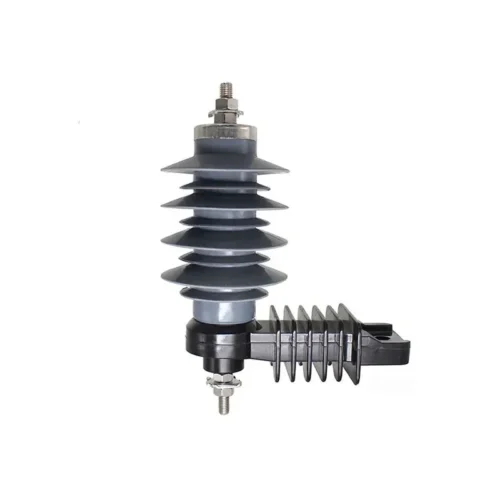
A lightning arrester refers to a kind of device installed to safeguard electrical infrastructure from possible damage caused by lightning strikes wherein, by offering a dedicated channel for the electrical charges of lightning to enter the ground without causing any harm, such a device is able to mitigate the chances of any fire, damage to electric system, and injuries to persons. Lightning arresters find applications in a number of different scenarios including residences as well as big factories and businesses protecting their electrical equipment from any dangers posed by the lightning strikes resulting in its high significance.
Main Function of a Lightning Arrester
The lightning arrester's main task is to protect transformers, switchgear, substations, and other electrical devices against dangerous voltage spikes and transient over-voltage in electrical sources. Volts surge can be the result of lightning or other external circumstances. The lightning arrester captures and sends surges safely to the ground without causing damage to important electrical components, which contributed to improving their reliability and durability.
How Does a Lightning Arrester Work?
A lightning arrester is designed to work by providing a low-resistance route for lightning current. When lightning discharges over a tower, the lightning arrester serves to collect the electric current and carry it away from the building so that it can be discharged into the soil. In addition to protecting the structure itself, it shield sensitive electrical instruments against damaging effects of lightning.
Lightning arresters come in two main categories: conventional lightning arresters, which are mostly found on rooftops and solar lightning arresters, which have been designed to provide protection for a solar panel array. Depending on the characteristics of the specific application, the choice between the two could change. Understanding the differences could be quite important in protecting an investment.
Lightning Arrester vs Surge Arrester: Key Differences
Although the main function of a lightning arrester and a surge arrester is to provide protection for electrical systems, both devices serve different purposes. While a lightning arrester is designed to deal with high voltages and currents produced by lightning strikes, a surge arrester protects from the voltage spikes that result from other sources apart from lightning strikes, including utility switching, motors while operating, and electricity from a nearby lightning strike. Hence, it is very common for many installations to combine both types of arresters.
How to Select the Right Lightning Arrester
Selecting the appropriate lightning arrester involves considering several key factors:
- Capacity: Assess the levels of voltage and current your system must handle.
- Environment: Take into account factors such as physical surroundings and number of thunderstorms.
- Installation: Determine if the device needs to be roof-mounted or integrated within an electrical system.
- Compliance: Ensure the arrester meets local and international safety standards.
The features and needs of every application might differ. It’s beneficial to consult a professional who can recommend the best measures for maximum safety and efficiency.
Frequently Asked Questions
What is a lightning arrester? A lightning arrester is a tool that protects electrical systems from lightning strikes and provides a pathway for electrical discharges.
How does a lightning arrester work? It stops the electric surge made by a lightning strike and sends it safely down into the earth below to safeguard buildings and devices.
What are the key differences between a lightning arrester and a surge arrester? Lightning conductors are used to shield buildings from lightning strikes while surge protectors defend against excessive electrical currents that are not produced by lightning.
How do I select the right lightning arrester? Think about elements such as ability, surroundings, required installations, and following the requirements.
Purchasing an effective lightning protection device is key to securing your electrical apparatus and improving safety level. When you are aware of the working principles of such devices and what kind of protection they provide, you are able to choose wisely to protect your house and business from the caprices of nature.