+86 15657752999


0102030405
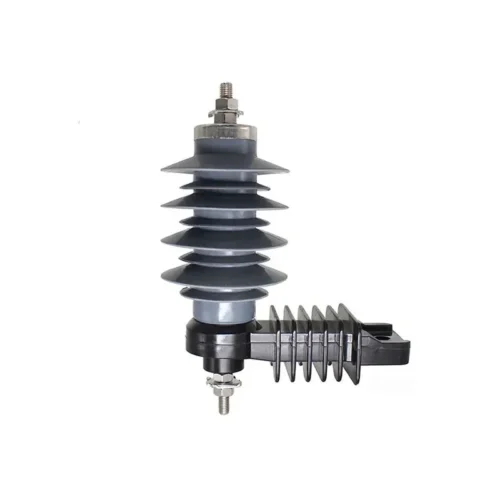
Lightning Arrester: Working Principle, Types, and Installation
2026-08-14
Lightning is a natural occurrence that can lead to severe being needs, damages to buildings, home appliances, and lives. In order to protect oneself from unexpected lightning strikes, a lightning arrester is an important part of the safety process. In this article, we will discuss how lightning arresters work and the different kinds of lightning arresters along with the guidelines for installation so that you can keep your property safe.
What Is a Lightning Arrester?
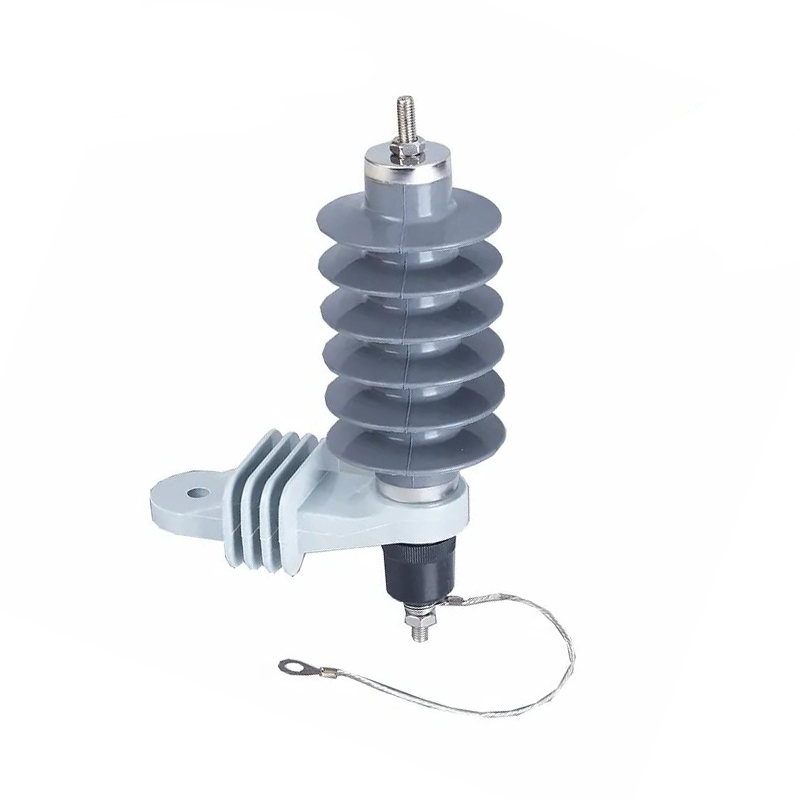
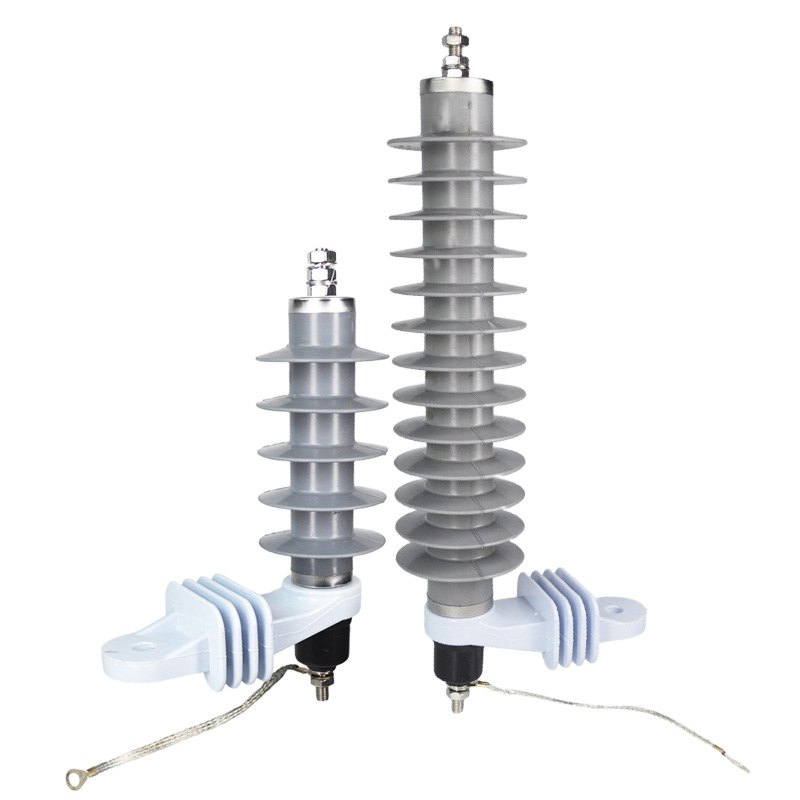
A lightning arrester is also known as a lightning protection system. It is a device that protects electrical equipment and structures from lightning. This device catches lightning currents, sends them to the ground, and prevents them from causing damage. Its importance cannot be underestimated in the preservation of household and industrial properties.
How a Lightning Arrester Works
The lightning arrester operates on a simple principle: it provides a low-resistance path for lightning currents. When lightning strikes, the arrester redirects the current through its conductive system, which is designed for high voltage. The current is then safely conducted into the ground, thereby reducing the chances of electric shocks, fires, and damage to electronic apparatus. Most of the lightning arresters use resistors and semiconductor components to absorb excessive surges.
Common Types of Lightning Arresters
To make an informed choice, it is important to understand the different types of lightning arresters. Here are some of the commonly used types:
1. Conventional Lightning Arrester: This kind of lightning protection system utilizes pointed electrodes in form of simple lightning arresters. Such electrode is able to attract lightning and direct it into the ground along the conductor without damage to the structure.
2. Surge Protection Devices: These are specialized equipment designed to protect electrical systems from voltage spikes due to lightning strikes. They protect not only the structural integrity but also sensitive electronic devices.
3. Solar Lightning Arrestor: This equipment is intended for use in power generation systems that rely on solar technology; it is specifically developed to guard the solar controllers as well as their components from the negative impacts of lightning.
Installation Guidelines and Best Practices
The effectiveness of a lightning arrester largely depends on the correct mode of installation. Here are some suggestions for a good installation:
- Choose the Appropriate Type of Lightning Arrester: It is important to select the right type of lightning arrestor for the specific needs, such as residential building, industrial site, or solar power plant.
- Professional Installation: It is wise to seek assistance from a professional electrician or contractor, for effective operation hinges on correct placement and grounding.
- Regular Maintenance: Perform regular testing and maintenance work on your lightning protection equipment. Going through the inspections will ensure that all hardware functions properly and that its components can reduce the negative effects of lightning.
Conclusion
Lightning arresters play an important role in saving people and their property from lightning strikes. How they work, what types exist, and how to install them properly will improve your protection against lightning. Since lightning strikes are unpredictable, it makes sense to act proactively and avoid future losses. If you think about making a lightning protection system, high quality and knowledge guarantee total security for a long time.