+86 15657752999


0102030405
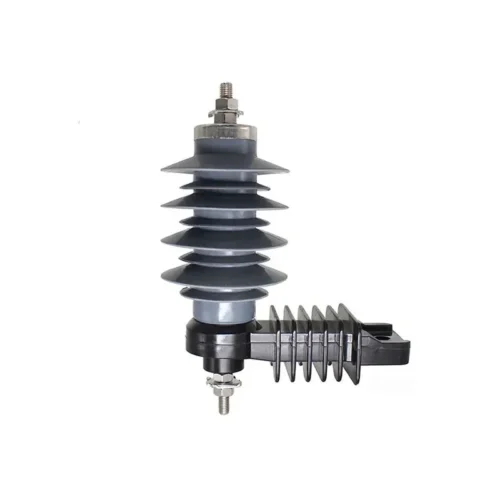
Polymer Fuse Cutout: Complete Guide to Types, Specifications & Selection
2026-09-21
The transition from conventional fuse cutouts to modern polymeric alternatives is transforming power distribution networks worldwide. With superior weather resistance, lighter weight, and lower maintenance requirements, these devices are increasingly replacing traditional porcelain and glass units. This article covers the fundamentals of polymeric fuse cutouts, their main types, critical specifications, and practical selection guidance.
What Is a Polymer Fuse Cutout and How Does It Work?
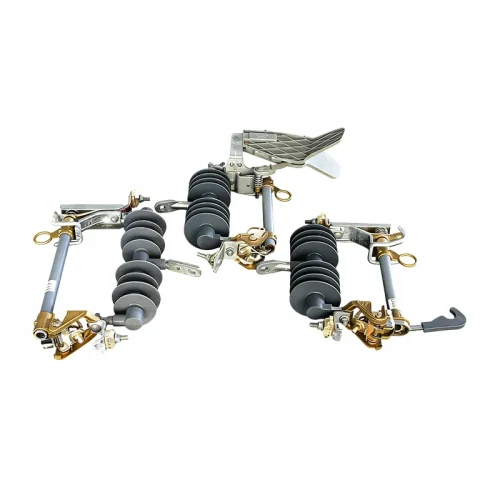
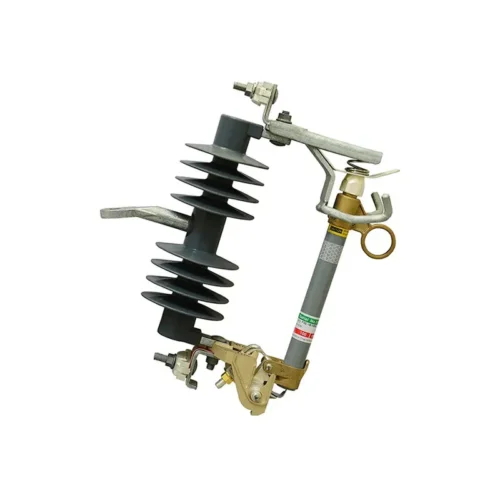
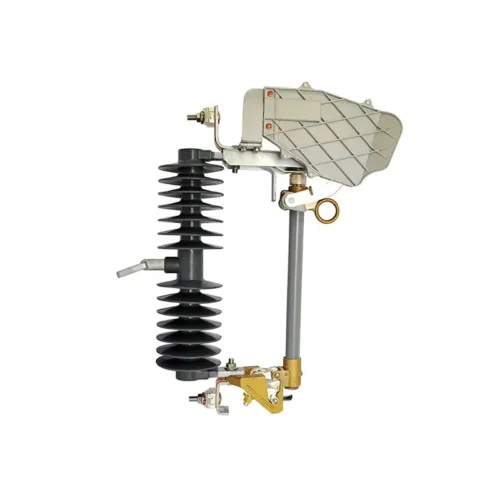
A polymer fuse cutout is a protective device installed between transformers and distribution lines to isolate faults and safeguard downstream equipment. When excessive current flows through the circuit, the fuse link melts and physically opens the connection, thereby disconnecting the faulty section. The visible gap provides clear visual feedback, making inspection and restoration straightforward for maintenance crews.
Unlike ceramic counterparts, the housing of these devices is manufactured from high-performance polymer compounds — typically silicone rubber or EPDM — which deliver excellent dielectric strength while resisting UV degradation, moisture ingress, and chemical contamination.
Types of Polymer Fuse Cutouts: Key Variants Explained
Several configurations of polymeric fuse cutouts are available to suit different network requirements:
- Drop-out (expelling) type: The fastest tripping method: when the fuse link melts, the spent link drops down, visually indicating that the circuit has been interrupted. Widely used in rural overhead lines.
- Loadbreak type: Designed to make and break load current under normal operating conditions, allowing maintenance or isolation without de-energizing the entire feeder.
- Expulsion type: Employs a rapid arc-quenching mechanism that expels ionized gases, making it suitable for areas prone to lightning strikes and atmospheric disturbances.
These variants are deployed across rural overhead networks, urban substations, and industrial loading centers, each selected based on the specific electrical and environmental demands of the installation.
Advantages of Polymer Fuse Cutouts
The growing preference for polymeric units over traditional ceramics stems from several practical benefits:
- Weather resistance: Excellent durability against UV radiation, moisture, salt spray, and industrial pollution, resulting in longer service intervals and extended lifespan.
- Mechanical strength: Fiberglass-reinforced housings withstand vibration, wind load, and impact without cracking or shattering.
- Lightweight design: Significantly lighter than porcelain equivalents, simplifying transport, handling, and installation while reducing structural support requirements.
- Enhanced insulation: Superior dielectric properties minimize leakage currents and flashover risks, even in contaminated environments.
Key Specifications to Compare
Evaluating technical parameters is essential before procurement:
- Rated Voltage: Must align with your system class (commonly 11 kV to 33 kV).
- Current Rating: Standard options include 100 A, 200 A, and 300 A; select based on maximum anticipated load.
- Breaking Capacity: Confirms the device can safely interrupt the highest expected fault current.
- Insulation Class: Polymeric materials should resist environmental contamination and transient overvoltages.
- Fuse Link Compatibility: Verify that replacement links match the holder and system specifications.
- Certification — Ensure compliance with IEC or ANSI standards for safety and performance assurance.
How to Select the Right Polymer Fuse Cutout
Choosing the appropriate unit involves a systematic assessment of several factors:
- Assess network load profiles and configuration to determine required current and voltage ratings.
- Evaluate site conditions — humidity, salt exposure, industrial pollution — to select suitable housing material.
- Consider switching and operational requirements; loadbreak variants enable live maintenance and isolation procedures.
- Verify compliance with applicable standards and mechanical compatibility with existing mounting hardware.
- Prefer modular or scalable designs to accommodate future network expansions or upgrades.
Installation & Applications
Polymeric cutouts are widely deployed on utility distribution lines, transformer protection points, and industrial overhead systems. Their weatherproof construction and reduced weight make them particularly popular in both rural and urban settings. In renewable energy projects — wind farms and solar plants — these units have become prevalent due to their robust UV resistance and long-term endurance under harsh outdoor conditions. Following the manufacturer's installation guidelines precisely is critical to ensuring reliable operation over the device's full service life.
Frequently Asked Questions
Q: Can polymer fuse cutouts be used in coastal or highly polluted areas?
A: Yes. Polymer materials resist salt mist, chemical contamination, and humidity well — conditions that often cause porcelain units to fail early. High-pollution-grade variants with enhanced creepage distances are available for harsh environments.
Q: How long do polymer fuse cutouts typically last?
A: Under normal conditions and proper installation, they generally provide 20 to 30 years of reliable service, depending on environmental severity, fault frequency, and maintenance.
Q: Do I need harmonic filtering when using polymer fuse cutouts with VFDs?
A: The cutouts themselves do not generate harmonics. However, if they protect downstream equipment fed by VFDs, harmonic filtering may be needed for sensitive loads. The cutout only responds to overcurrent and short-circuit conditions, regardless of waveform distortion.
Conclusion
Polymer fuse cutouts have become the preferred choice for modern power distribution networks thanks to their durability, lightweight design, and superior performance in challenging environments. By understanding the different types available, reviewing key specifications, and selecting a unit suited to your specific operating conditions, you can ensure reliable protection for your electrical infrastructure — whether in utility grids, industrial facilities, or renewable energy installations.