+86 15657752999


0102030405
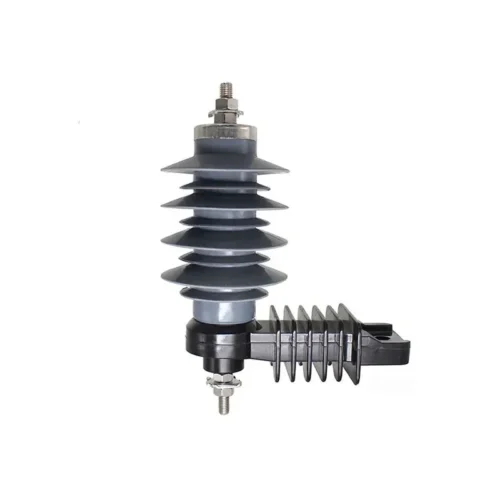
Polymer Insulator: Complete Guide for Power Systems
2026-08-17
In today's world of electricity distribution, reliability and efficiency are vital. This essential component is polymer insulator. In this article, we have included a guide to polymer insulators, benefits of polymer insulators, including their advantages in comparison with traditional porcelain insulators. In addition, we will also talk about how to choose polymer insulator for your power system.
What Is a Polymer Insulator?
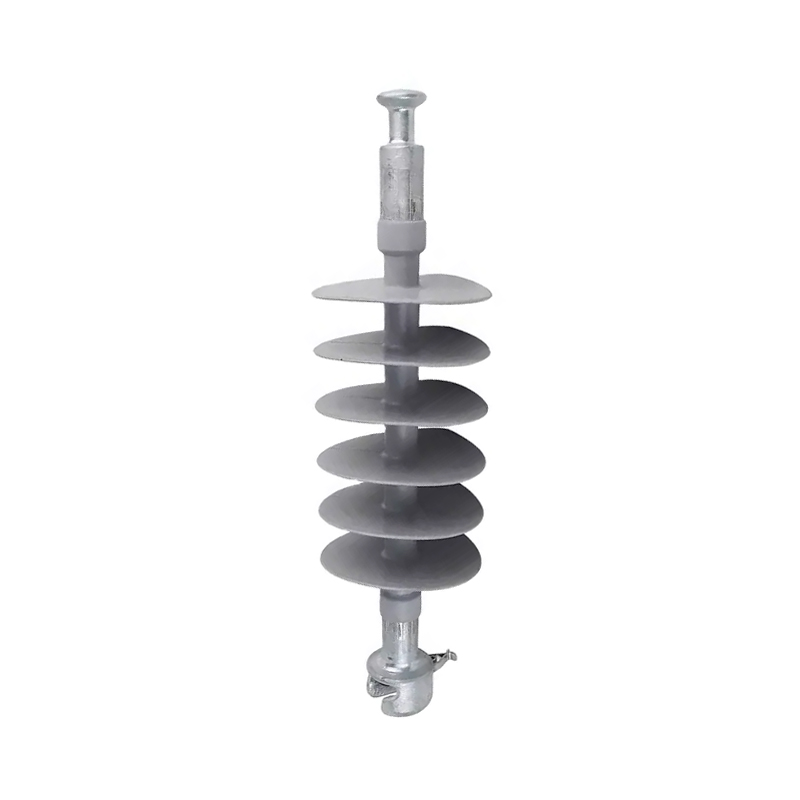
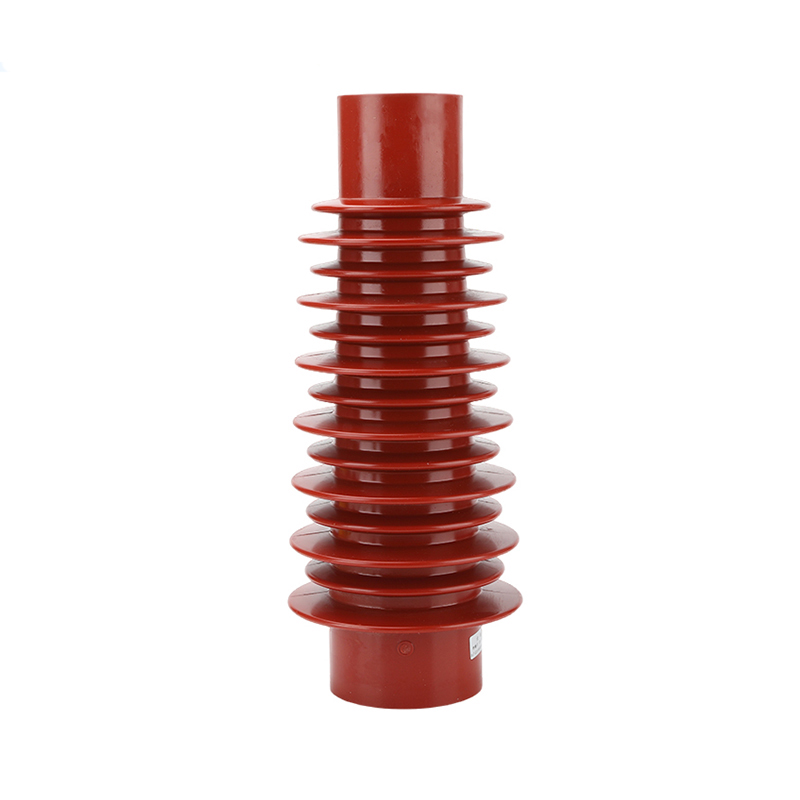
A polymer insulator can be defined as an insulating device that is made using a variety of materials, including mostly silicone rubber, aimed at producing electrically isolating and mechanically strong devices. Polymer insulators are suitable for use in high voltage electric power systems such as outdoor power lines and substations. Compared to porcelain insulators, which have been a major product in the market for many years, polymer insulators now offer benefits that have attracted a lot of customers.
Advantages of Polymer Insulators
The use of polymer insulators is notable for its numerous benefits which improve in performance compared to traditional materials.
1. Lightweight: Polymer insulators are much lighter than the porcelain insulators and can easily be handled and transported at lower costs.
2. High Resistance to Pollution: Their exterior has the ability to fend off water and impurities, which decreases the chances of electrical arcing due to contaminants.
3. Enhanced Mechanical Strength: Typically, polymer composites exhibit improved strength against cracking, enabling them to endure adverse weather conditions.
4. Low Maintenance: Polymer insulators are more impervious to the collection of dirt, thus reducing maintenance expenses as opposed to porcelain insulators, which need continual cleaning and maintaining.
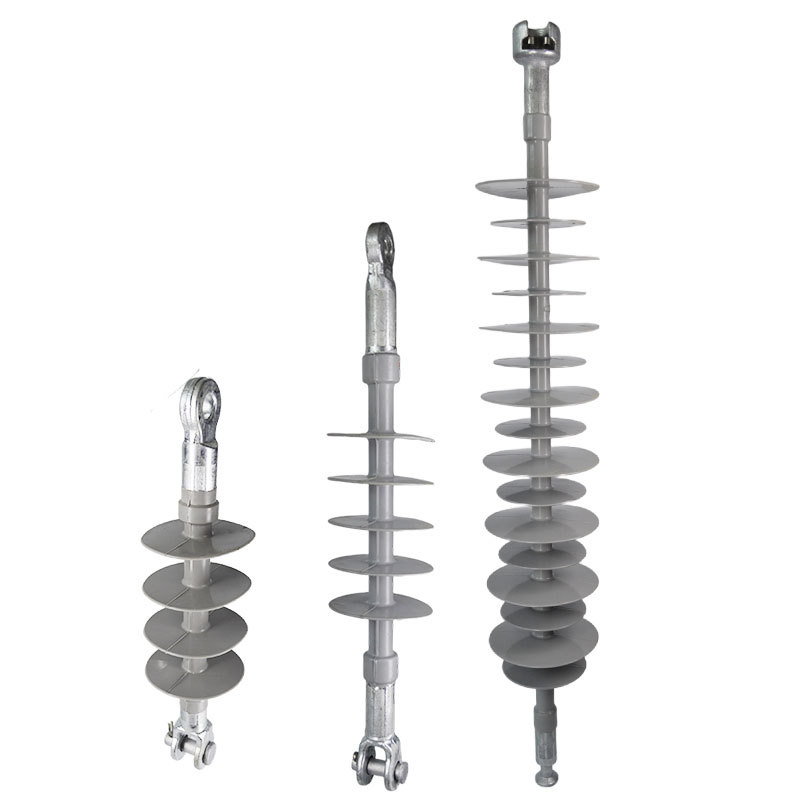
5. Flexibility and Design Varieties: Polymer insulators come in different sizes and shapes such as polymer-pin insulator and polymer-disc insulators that can be used for different voltage levels and applications.
Polymer vs Porcelain Insulators
When comparing polymer insulators with porcelain insulators, several distinctions can be made:
Durability: Polymer insulators are less likely to break, thus offering improved reliability in difficult conditions.
Weight: Since polymer insulators are lightweight, they can help in reducing the overall construction expenses through lighter supports.
Thermal Stability: While polymer insulators usually give reliable service all the time, porcelain insulators loose their functionality at lower temperatures.
Although they have certain benefits, it is crucial to keep in mind the particular circumstances of use. This is particularly true if the experience and time-proven reliability of porcelain insulators still matter in some regions where traditional approaches persist.
How to Select the Right Polymer Insulator
Selecting the appropriate polymer insulator involves several considerations:
1. Application Type: Become acquainted with the specific requirements of your electrical system such as 11kV polymer strain insulators or 33kV polymer pin insulators.
2. Environmental Conditions: Assess local factors, including pollution levels and climatic conditions, that influence insulator efficiency.
3. Mechanical Load Requirements: Assess the stress or mechanical loads that the insulator will encounter in the field.
4. Compliance and Standards: Make sure the insulator complies with relevant industry standards and regulations and has maximum safety and effectiveness.
FAQs
What Is a Polymer Insulator?
A polymer insulator is a high-voltage insulator that is made of composite materials, mainly silicon rubber, which helps in insulation and deals with environmental stressors.
Advantages of Polymer Insulators?
They provide lightweight design, great resistance to contamination, increased mechanical strength, minimum maintenance, and different design choices.
Polymer vs Porcelain Insulators?
Compared with porcelain insulator, polymer insulator is more lightweight and strong, as well as able to perform better in various environmental conditions.
How to Select the Right Polymer Insulator?
Examine the use of the application, environmental conditions, mechanical load, and adherence to industry standards.
To summarize, knowing what polymer insulators are and why they are important should be the priority of all people dealing with power systems management from electrical engineers to technicians and project managers. By understanding their benefits and how to choose polymer insulators, all parties will have confidence in the reliable operation of electricity distribution systems.