
 +86 15657752999

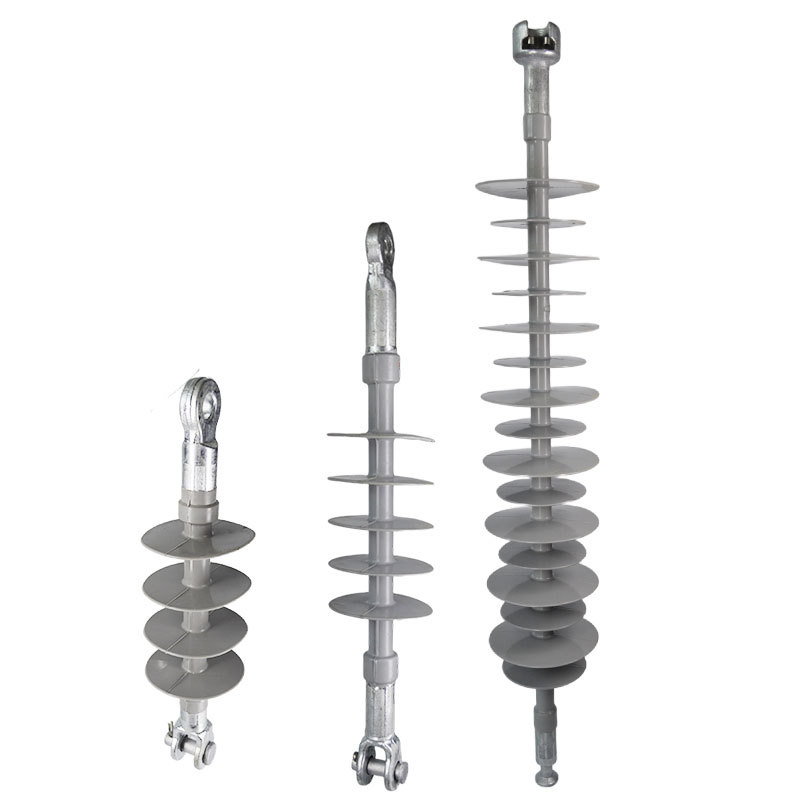
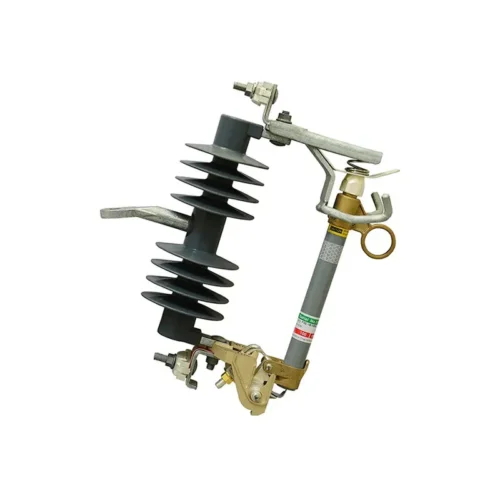
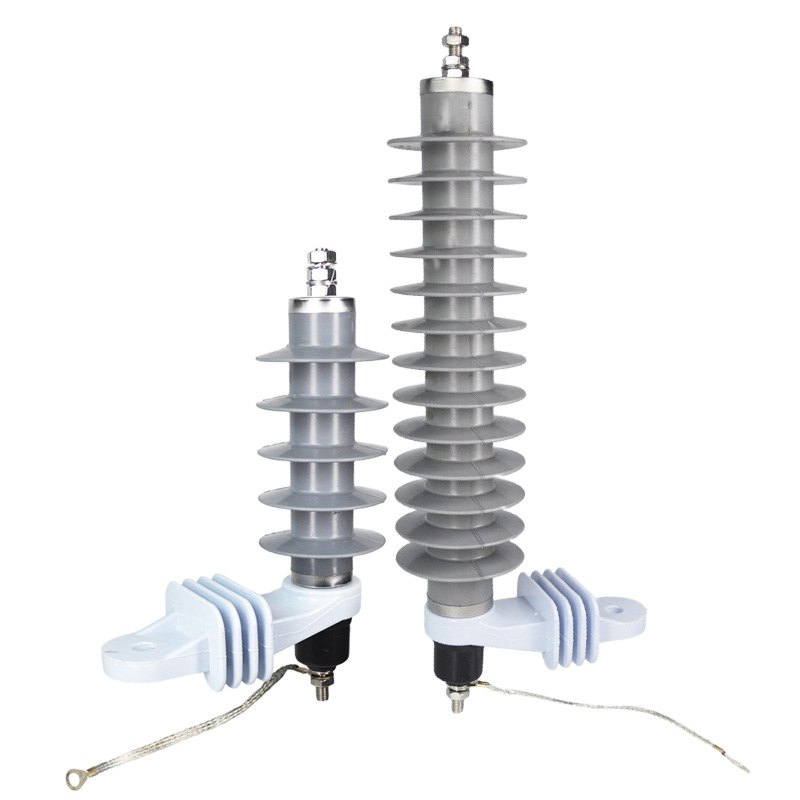
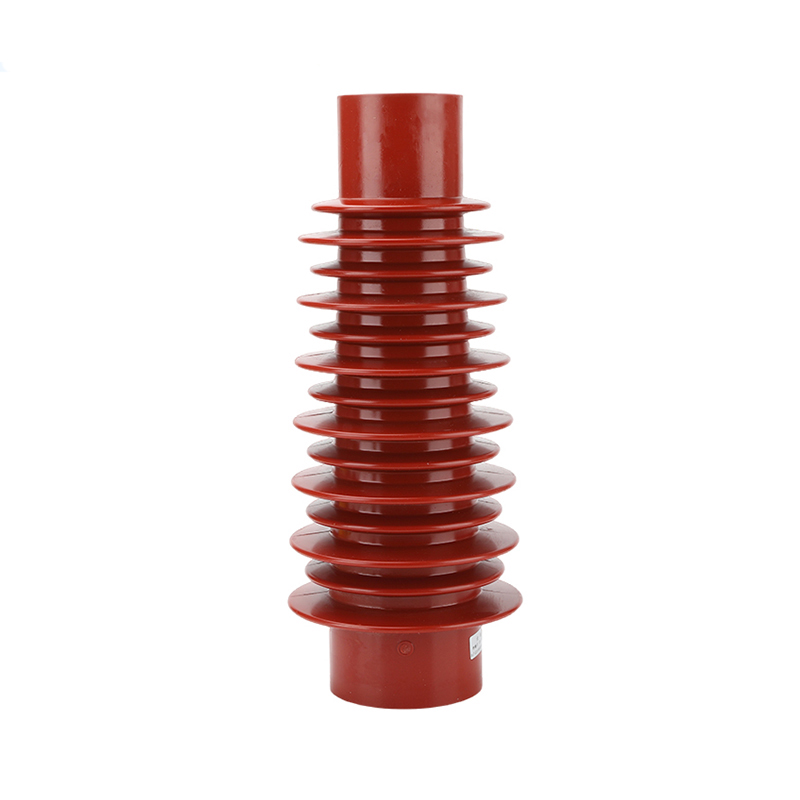
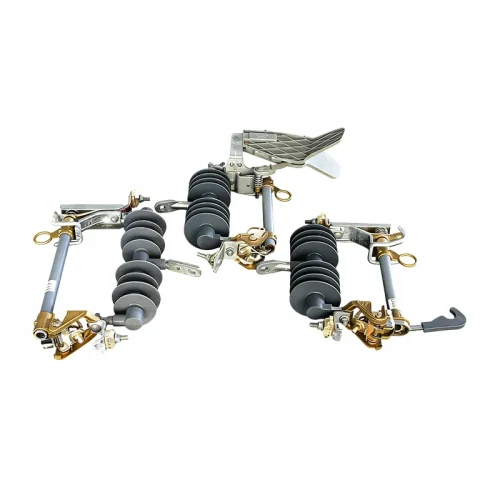
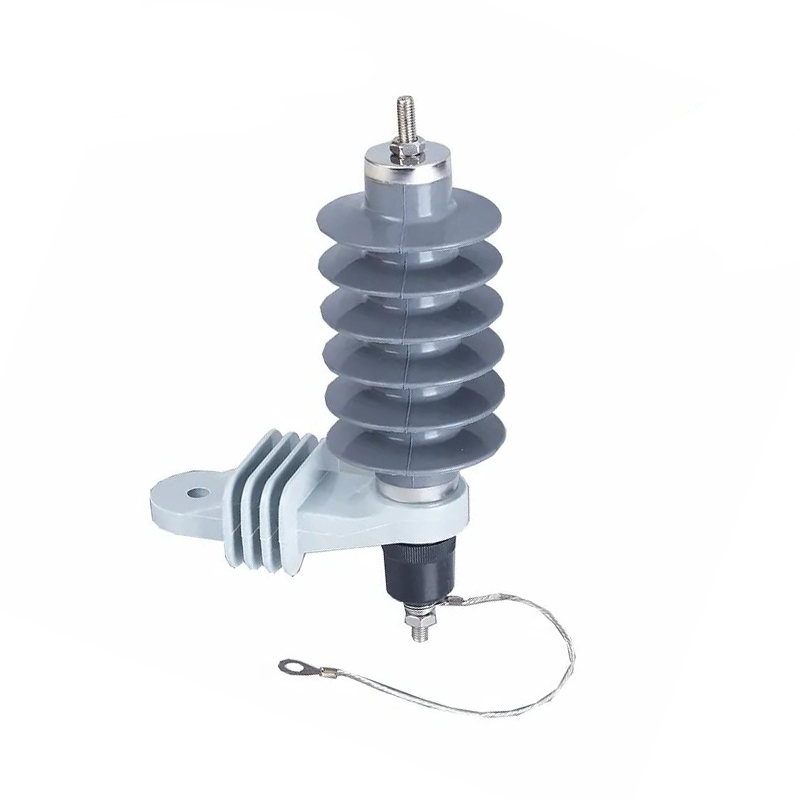
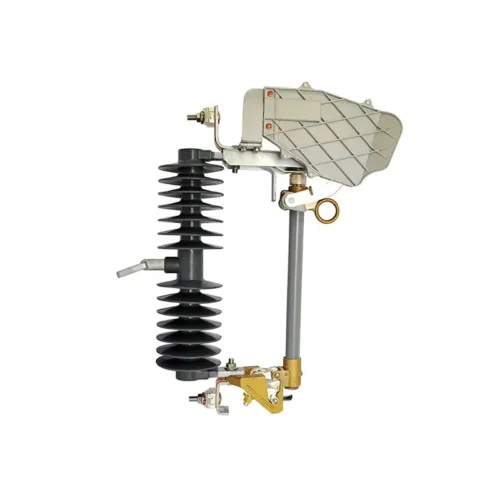
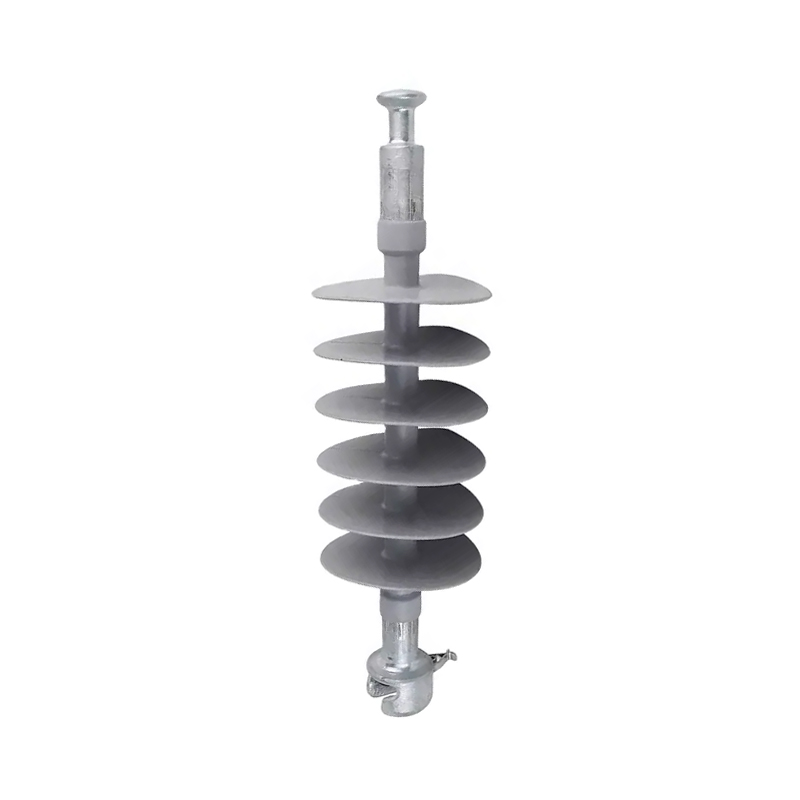

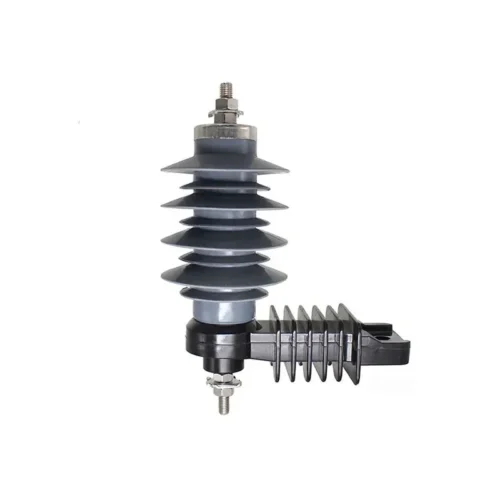
Polymer insulators are being adopted increasingly in power distribution because they are light-weight, durable, and excellent performers in any environment. But, what exactly goes into the production of a polymer insulator? In this article we explain the step by step process of developing a polymer insulator along with the materials they are built from and how they actually function. This article is intended for potential purchasers of either a general polymer insulator or a specific type of polymer insulator such as an 11kv polymer insulator.
Step 1: The Components of Polymer Insulators
There are two major parts that comprise polymer insulators, namely the core material and the external shell or housing. The core material is comprised primarily of glass reinforced plastics (GRP) consisting mostly of a combination of steel and fibreglass, which ensure the mechanical strength of the insulator. The external housing provides electrical insulation and protects the internal core from weather elements. The external housing is made up of polymer materials such as silicone rubber, EPDM rubber or a combination of both. These particular materials are chosen for their hydrophobic properties, weather resistance and durability.
The necessary materials utilized to manufacture a polymer insulator are:
- The core material is made of GRP Glass Reinforced Plastic that allows for high strength of the insulator.
- The housing material is made from either silicone rubber or EPDM to prevent any moisture ingress and environmental factors affecting the insulator.
- The metals used in the manufacture of end fittings are either aluminum or galvanised steel.
Step Two - Manufacturing Process of Polymer Insulators
The following is the breakdown of the polymer insulator manufacturing process:
- Preparation of the Core: The GRP Core Rod is correctly cut to its correct length and tested for the mechanical properties of the core and it meets the relevant standards for use.
- Application of Housing Material: The Polymer material utilised as a housing material is either extruded or moulded over the core by the use of specialist plastic injection moulding/extrusion equipment that provides protection against electrical, UV and chemical damage.
- Attachment of End Fittings: Metal end fittings (usually made from galvanised steel or aluminium) are crimped/securely attached to each end of the core.
- Testing of Finished Insulator: The finished product will have extensive functional testing performed on it, such as mechanical, thermal and electrical testing, to ensure the final product is compliant with International standards of safety and performance i.e. IEC, ANSI, etc.
The polymer insulators that are manufactured using this efficient and cost-effective process make it a very good choice for use in Modern Power Infrastructure.
Advantages of Polymer Insulators
Let's discuss why polymer insulators are used more often in applications and what their advantages are before addressing the disadvantages of using them:
- Lightweight, which enables reduced transportation and installation costs
- High UV radiation, weather-related damage, and environmental pollution resistance
- Excellent corrosion resistance
- Capable of withstanding high mechanical and electrical stress
- A lower mechanical load is placed on towers because of the lower weight of the insulator
Disadvantages of Polymer Insulators
Polymer insulators also have disadvantages in addition to their advantages:
- Higher initial costs versus traditional insulators made of ceramic or glass
- Wear and deterioration due to prolonged exposure to UV radiation
- Regular inspections are required to ensure continued performance since all cause degradation over time because of the environment
FAQ: Common Questions About Polymer Insulators
What materials are polymer insulators made from?
Glass fibre that provides mechanical strength to the insulator, polymer materials (usually silicone rubber or EPDM) that provide insulation, and metal end fittings to fasten to the line for connection.
What are the disadvantages of using polymer insulators?
Disadvantages associated with polymer insulators are higher initial costs, potential degradation of the insulator from prolonged UV exposure, and the need for periodic inspections to maintain reliable performance in the long term.
Do insulators burn or melt?
High-end polymer insulators can withstand major temperature changes. However, when in contact with a direct flame or if the insulator is exposed to extremely high temperatures, degradation will occur. Different designs and materials work together in fire-resistant polymer insulator products.
Applications of Polymer Insulators
Polymer insulators are typically used in transmission and distribution systems of electricity. They are well-suited for high-voltage line applications, low-maintenance areas, and for use in highly polluted environments such as coastlines and industrial areas. An example of this is the 11kv polymer insulators that are used in medium-voltage systems, which provide utility companies with both versatility and reliability.
Polymer insulators are the product of choice by customers who want to improve the efficiency of their systems because they are easy to handle, less expensive to install and offer long-term benefits.